
10 Japanese Movies That Test The Boundaries Of Your Imagination
Few countries' filmmakers test the limits of audience imagination more than Japanese directors, who are responsible for some of the most creative, inspired, and innovative movies of all time. Through animation and live-action releases, cinephiles will be well aware of the astounding back catalog of unique, interesting, and idiosyncratic Japanese films just waiting to be discovered. While most will be aware of releases from the likes of Studio Ghibli, this was just the tip of the iceberg when it came to films that pushed the boundaries of imagination into brave new territory.
Many of the best Japanese movies of all time were categorized by astounding visuals, thematic depth, and deeply thoughtful, introspective characters. With some releases dating back almost 100 years, Japanese cinema has consistently paved the way in terms of trailblazing filmmaking that has had a major influence on Hollywood productions. For film fans looking to broaden their horizons, these Japanese films will test the boundaries of your imagination.
10 The Face Of Another (1966)
Directed by Hiroshi Teshigahara

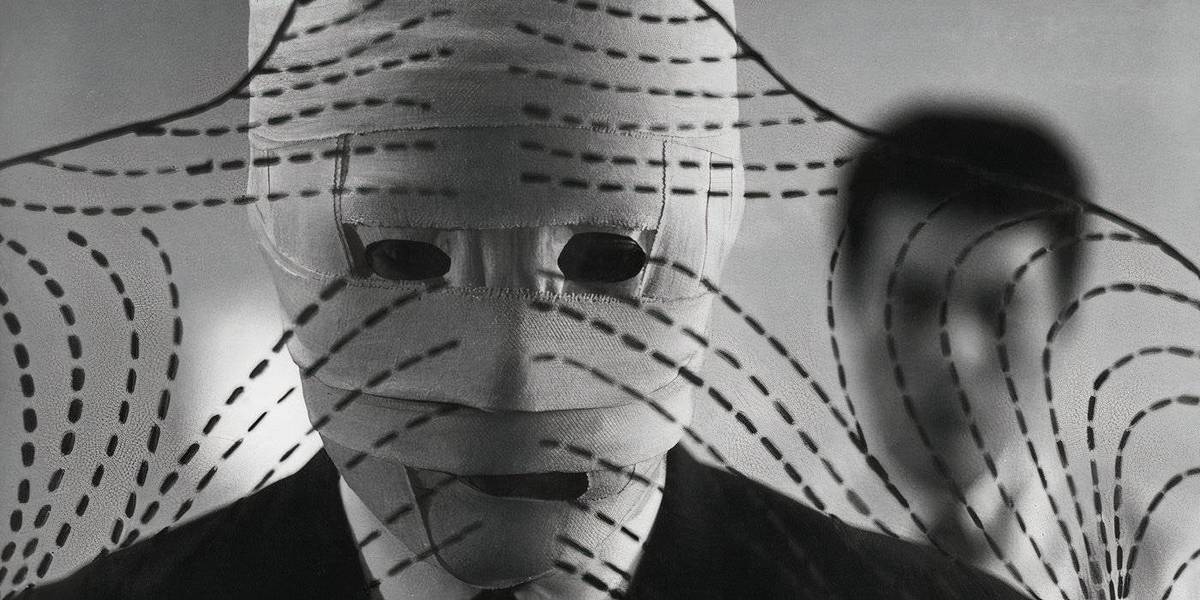
Director Hiroshi Teshigahara and novelist-turned-screenwriter Kōbō Abe proved the perfect pair with the 1966 film adaptation of Abe’s novel The Face of Another. As an important release in the Japanese New Wave film movement, the story followed an engineer named Okuyama who, after a series of work-related burns, was given a new face in the form of a lifelike mask. With themes of identity, war, and the memory of World War II, The Face of Another was a deeply thought-provoking look at the masks we wear.

The Face of Another
- Release Date
- July 15, 1966
- Runtime
- 122 minutes
Cast
 Tatsuya NakadaiMr. Okuyama
- Mikijiro HiraDr. Hori
- Machiko KyōMrs. Okuyama
- Kyôko KishidaNurse


By forcing viewers to confront the way we construct our identities and how they are linked to our physical attributes, The Face of Another examines who we are to society versus who we are to ourselves. With beautiful black-and-white cinematography and an engaging premise, the reputation of The Face of Another has only grown over the years as the poignant beauty of its story has continued to resonate as subsequent generations become ever more concerned with identity and how they are being perceived.
9 A Page Of Madness (1926)
Directed by Teinosuke Kinugasa

It truly boggles the mind that A Page of Madness was made almost 100 years ago yet still has the power to push the boundaries of viewers' imagination. As a seminal work of Japanese avant-garde filmmaking, this film was thought lost for 45 years until it was rediscovered by Teinosuke Kinugasa in his storehouse in 1971 (via Midnight Eye.) Following the story of a man working at an asylum who is trying to free his imprisoned wife, this vibrant and unsettling work was light-years ahead of its time.

Your comment has not been saved
A Page of Madness
- Release Date
- September 24, 1926
- Runtime
- 71 Minutes
Cast
- Masuo InoueCustodian
- Ayako IijimaDaughter
- Yoshie NakagawaCustodian's Wife
- Eiko MinamiDancer
A Page of Madness was produced as part of the Shinkankakuha (or School of New Perceptions) movement, which sought to overcome naturalistic representations that explore what’s buried within. With an eerie atmosphere and a powerful narrative exploring the very nature of madness, A Page of Madness delved into the subconscious, dreams, and nightmares in a beautiful and terrifying way.
8 Dead Or Alive (1999)
Directed by Takashi Miike

The stylish crime movies of Takashi Miike made this acclaimed filmmaker almost like the Japanese equivalent of Guy Ritchie, as they both excel at frantic, high-energy action movies with unique identities. One of Miike’s greatest achievements was Dead or Alive, the 1999 action movie about a yakuza member and Japanese cop waging war against the mafia. Through mind-bending action sequences and several bloody shootouts, the sheer intensity of Dead or Alive was almost hallucinogenic at times.

Your comment has not been saved
Dead or Alive
- Release Date
- November 27, 1999
- Runtime
- 105 minutes
Cast
- Riki TakeuchiRyuuichi
- Show AikawaDet. Jojima
- Renji IshibashiAoki
- Shingo TsurumiChen
Dead or Alive, directed by Takashi Miike, is a crime thriller set in Shinjuku, Japan. The film follows Ryūichi and his Triad gang as they fight for dominance in the criminal underworld, while Detective Jojima resolves to dismantle their operations amidst the growing chaos.
- Director
- Takashi Miike
- Writers
- Ichiro Ryu
As a bizarre, hypnotic, and insanely violent movie, Dead or Alive may not have had the most fully realized characters, yet the sheer over-the-top nature of its execution will test the boundaries of your imagination. Just the first in a loosely connected three-part series, Dead or Alive was followed by Dead or Alive 2: Birds in 2000 and Dead or Alive: Final in 2002.
7 The Man Who Stole The Sun (1979)
Directed by Kazuhiko Hasegawa

While the Japanese thriller The Man Who Stole the Sun rarely gets recognized as the astounding imagination-testing triumph that it is, those in the know recognize the appeal of this underappreciated 1970s release. Telling the story of a high school teacher who builds an atomic bomb to extort the nation yet cannot decide what he wants, this unusual release would act as the perfect double bill with Christopher Nolan’s Oppenheimer.

Your comment has not been saved
The Man Who Stole the Sun
- Release Date
- October 6, 1979
- Runtime
- 147 minutes
Cast
- Kenji SawadaMakoto Kido
- Bunta SugawaraInspector Yamashita
- Kimiko IkegamiReiko Sawai
- Kazuo KitamuraTanaka
The Man Who Stole the Sun is a 1979 Japanese thriller about a high school science teacher secretly building an atomic bomb in his apartment. Initially mocked by his students, his plans take a darker turn following a school bus hijacking, as tensions escalate in this suspenseful narrative.
- Director
- Kazuhiko Hasegawa
- Writers
- Leonard Schrader, Kazuhiko Hasegawa
As a genre-bending exploration of nuclear terror and a deeply compelling satire, The Man Who Stole the Sun highlighted Japanese society's ongoing reckoning with the consequences of the atomic end to World War II. American writer and critic Nick Newman placed The Man Who Stole the Sun on his Sight and Sound list of the greatest films ever made (via BFI), saying, "In anything like a just world this is seen concurrent with benchmarks of Japanese cinema.
6 Your Name (2016)
Directed by Makoto Shinkai

Few concepts push the boundaries of viewers' imaginations more than time travel, and the Japanese anime Your Name was one of the most thought-provoking explorations of this sci-fi concept ever made. Following the story of two Japanese high school students, Taki Tachibana and Mitsuha Miyamizu, who suddenly started to switch bodies despite having never met before, this unusual tale set against the backdrop of impending natural disaster will have you pondering its themes long after the credits have rolled.

Your comment has not been saved
Your Name

- Release Date
- August 26, 2016
- Runtime
- 106 minutes
Cast
- Ryunosuke Kamiki (Taki Tachibana voice)
- Mone Kamishiraishi (Mitsuha Miyamizu voice)
As a complex look at the intersection between love and destiny, Your Name received universal acclaim as its beautiful animation, thrilling script, and compelling characterization made it a modern classic. With a shocking twist that revealed the existence of two timelines, Your Name was a profound look at how those we have left behind impact the current world we live in. While the time-travel romance genre is a well-worn subject, Your Name managed to bring something new, exciting, and original to this topic.
5 Funky Forest: The First Contact (2005)
Directed by Katsuhito Ishii, Hajime Ishimine, and Shunichirô Miki

Three Japanese filmmakers came together for the surreal anthology experience that was Funky Forest: The First Contact. Featuring several storylines presented as an outrageous collection of surreal, quick-fire non-sequiturs, these mostly comical sequences largely revolved around the characters of Guitar Brother, his randy older sibling, and the pair's portly Caucasian brother. As a funny, wild, and perplexing viewing experience, Funky Forest highlighted just how wild cinema can be.

Your comment has not been saved
Funky Forest: The First Contact
- Release Date
- October 25, 2005
- Runtime
- 150 minutes
Cast
- Susumu TerajimaKatsuichi Tanaka
 Tadanobu AsanoMasaru Tanaka
- Chizuru IkewakiIchiko
 Ryo KaseTakefumi
Funky Forest: The First Contact is a film featuring a series of surreal and disjointed vignettes. The narrative centers on Guitar Brother, his amorous sibling, and their rotund Caucasian brother, blending bizarre humor with imaginative storytelling.
- Director
- Hajime Ishimine, Katsuhito Ishii, Shunichiro Miki
- Writers
- Katsuhito Ishii, Shunichiro Miki, Hajime Ishimine
While Funky Forest can, at times, feel a bit like watching a bunch of hastily thrown-together outtakes from several films, the recurring characters and ideas that are repeated throughout give the film a semblance of structure. With a two-and-a-half-hour runtime, Funky Forest may test the patience of those unfamiliar with avant-garde filmmaking, although those who allow themselves to be won over by its idiosyncratic charm will be in for a good time.
4 Hausu (1977)
Directed by Nobuhiko Obayashi

While Toho Studio is best known for kaiju classics like Godzilla, they also were the studio behind the mind-bending comedy horror Hausu, also known as House. This story about a schoolgirl attempting to travel with her friends to her aunt's house soon turns dark as they come face-to-face with supernatural forces and are devoured one by one by the home. With a rock soundtrack by the band Godiego, this poorly reviewed film was a box office hit that has since become a cult classic.

Hausu was a visually stunning and unnerving film filled with outrageous sequences and a bizarre collage of offbeat imagery. By taking the classic concept of a haunted house to its absolute extreme, Hausu was a psychedelic trip like no other that would test the boundaries of any viewer's imagination. While its special effects may not live up to today’s standards, the dated aesthetic of Hausu was also part of its charm.
3 The Warped Forest (2011)
Directed by Shunichirô Miki

Filmmaker Shunichirô Miki followed up their surrealist work on The Funky Forest for the spiritual sequel The Warped Forest. As a bizarre tale about a giant shopgirl who can’t fit into her store, The Warped Forest was far more coherent than the non-sequiturs of its predecessor, although it was no less imaginative. Set in a deeply unique alternate reality, there’s something intriguing and striking taking place in every single frame of this odd movie.

Your comment has not been saved
The Warped Forest
- Release Date
- October 15, 2011
- Runtime
- 82 minutes
Cast
- Fumi Nikaido
- Yoji Tanaka
- Kanji Tsuda
- Yoshiyuki Morishita
The Warped Forest, released on October 15, 2011, explores a surreal world where a giant shop-girl, mysterious green pods, and enigmatic wood nymphs interweave into the lives of its inhabitants, prompting reflections on dreams and reality.
- Director
- Shunichiro Miki
- Writers
- Yuuka Oosumi, Shunichiro Miki
The Warped Forest was filled with quirky characters and contained plenty of fun visuals, although there were serious themes underpinning its imaginative world. To try to explain this narrative in a few short sentences would do the splendor of its viewing a disservice, as this was a movie that truly just needs to be seen and experienced. The Warped Forest showcased that cinema has the power to depict the indescribable, and it was yet another fascinating addition of Miki’s truly unusual filmography.
2 Tetsuo: The Iron Man (1989)
Directed by Shinya Tsukamoto

Fans of the body horror styling of David Cronenberg or the surreal nightmare worlds of David Lynch will certainly find a lot to love about Shinya Tsukamoto’s Tetsuo: The Iron Man. With Tomorowo Taguchi as the Salaryman, a worker who awakes to find metal sprouting from his body, things take a dark turn as he’s haunted by metal-related sexual fantasies. While this damned man turns into a machine hybrid, he finds a connection with a hit-and-run victim going through a similar ordeal.

Your comment has not been saved
Tetsuo: The Iron Man
- Release Date
- July 1, 1989
- Runtime
- 67 minutes
Cast
- Shinya TsukamotoMetal Fetishist
- Tomorowo TaguchiSalaryman
- Kei FujiwaraGirlfriend
- Nobu KanaokaWoman in Glasses
Tetsuo: The Iron Man already sounds absolutely unhinged on paper, but the film itself was one of the most boundary-pushing, imaginative sci-fi horrors ever. While many viewers may find its extreme nature off-putting, Tetsuo: The Iron Man did not shy away from tough subjects as it has been read as a metaphor for everything from AIDS to the treatment of the Japanese workforce.
1 Paprika (2006)
Directed by Satoshi Kon

The Japanese animated surrealist sci-fi fantasy Paprika featured so many striking similarities to Christopher Nolan’s Inceptionthat many claim he had to have been influenced by it. With beautiful animation and an intense story following a dream terrorist causing nightmares through a device that allows them to share dreams with others, Paprika saw the research psychologist Dr. Atsuko Chiba and the dream detective Paprika embark on an epic journey to stop them. With an immensely imaginative premise and awe-inspiring visuals, Paprika was a journey into the world of the subconscious.

Your comment has not been saved
Coming from the Japanese film director Satoshi Kon, Paprika was a challenging, eye-opening, and thought-provoking movie that you will never forget after seeing. As a unique achievement that captures the very nature of dreams, while this story was difficult to follow at times, like a dream itself, it was meant to be experienced rather than fully understood. Paprika highlighted the mind-bending power of exploring the subconscious through film, a subject that’s been rarely dealt with at this magnitude.
Sources: Midnight Eye, BFI


Your comment has not been saved