A safe space for Venezuela’s indigenous women | UN News
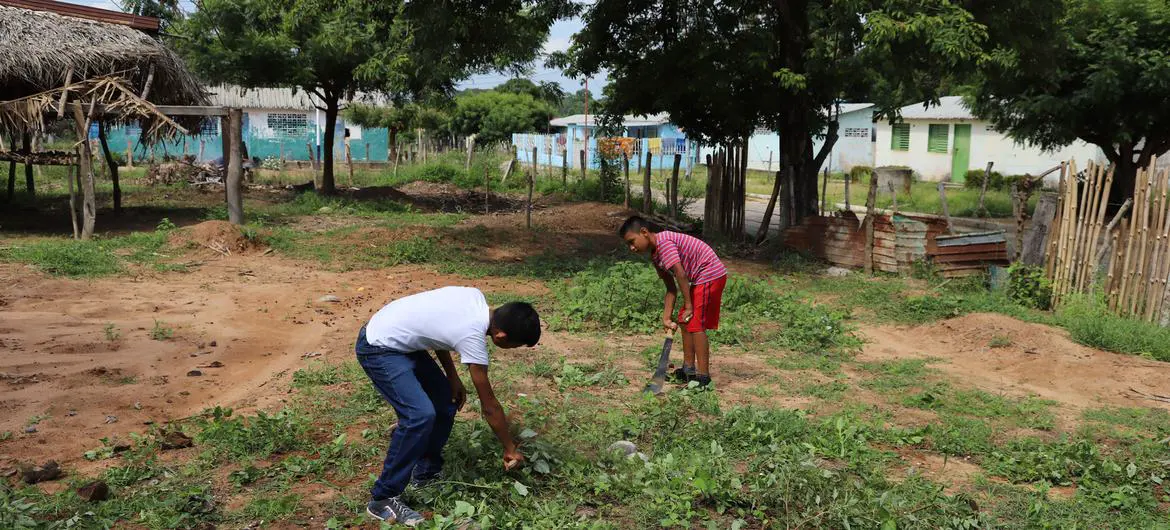
Venezuela's rural, remote, indigenous communities have been particularly affected by COVID-19 and the country's socio-economic crisis; community gardens help Wayúu women from Rio Negro to make ends meet, and provide a haven from violence.
“Women who were most at risk of gender-based violence while their relatives or partners undertook back-and-forth trips to Colombia now have a safe space where they gather every day to grow food that will later benefit their families”, he adds.
Sustainable solutions
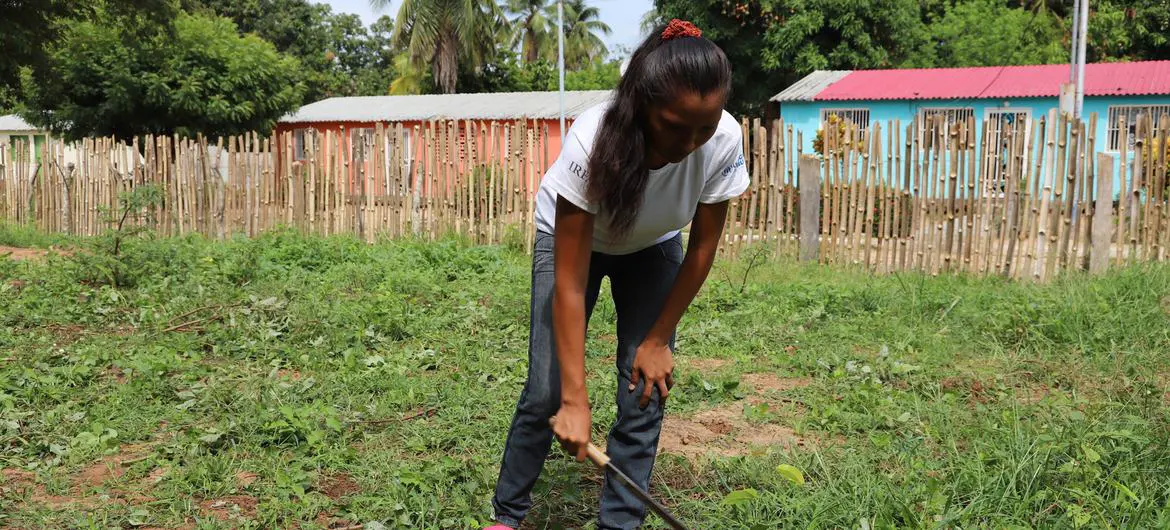
With limited financial resources, the Wayúu indigenous community had to think of new innovative and sustainable ways to grow their crops. A positive side-effect has been a move towards sustainable agriculture, which is less harmful to the soil.
To support these efforts, UNHCR has donated agricultural tools, seeds, water tanks, and solar streetlights, helping to ensure that the community has a clean and sustainable source of energy and water irrigation.
In addition, the UN migration agency (IOM) has trained local families to make organic fertilizers and natural insect repellents, using ingredients—including animal waste—that are easily found in the community.
"We don't have spend money buying chemicals that can also affect our crops and the environment. Instead, we learned to make our own 100 per cent natural fertilizers and repellents with ingredients we can find right here in our community", says Ms. Torres.
"The replacement of chemical fertilizers with organic fertilizers and of agro-toxins with natural insecticides made of neem leaves, tobacco leaves, and vegetable ash, as well as the creation of seed banks, guarantees a sustainable and eco-efficient way of life, as well as a healthier diet for the families and the community as a whole," explains Wolfgan Rangel, IOM's Productive Projects Monitoring Officer in Maracaibo.
Hundreds of gardens supported
In total, more than 660 community garden projects have been supported in the states of Zulia, Táchira, and Barinas.
Both UNHCR and IOM have donated the necessary tools and resources to support communities through the development of sustainable small farming initiatives. In some of these communities, local markets have also been created to sell vegetables, helping generate alternative sources of income.
Given the remote location of the communities and the lack of public transportation, it is vital that the community garden projects continue to be scaled up. This way, more indigenous families will be able to take part in these subsistence farming initiatives and stop relying on trips to neighbouring countries to buy food.