African scientists call for policies to support synthetic biology and other innovative technologies

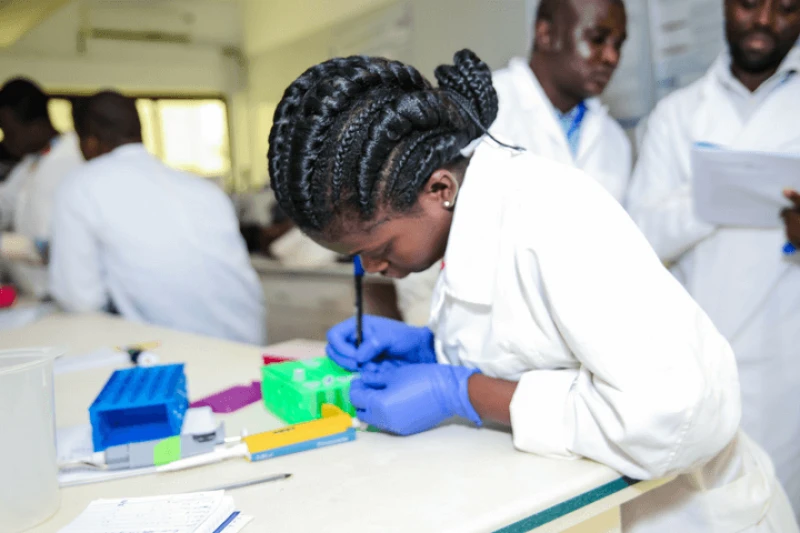
“With synthetic biology, Africa has a big opportunity to solve some of its pressing challenges related to hunger, malnutrition and disease,” said Benson Kinyagia, principal scientist at the national commission for science, technology and innovation in Kenya.
For instance, the technology can help build new organisms that can decimate toxic chemicals in water or soil, which would otherwise not decompose. The technology can also help researchers understand disease strains to create vaccines.
“Even if we are to say we don’t need these technologies, which would be a big lie because we need the technologies and the solutions they can offer, we would still need biosafety and biosecurity laws,” said Robert Kibuuka, principal science officer in charge of biosafety and biosecurity at the ministry of science, technology and innovation in Uganda.
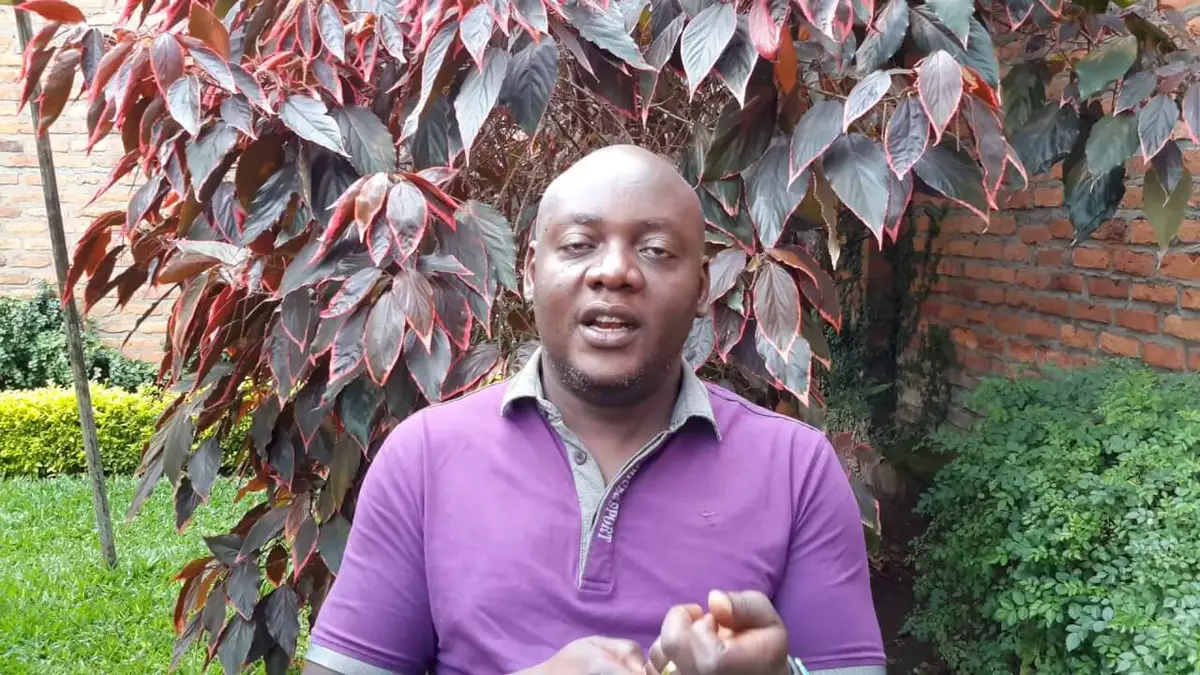
“A lot of science is happening all around us in the US, Europe and the other developed countries,” Kibuuka added. “So, one way or another, these technologies [and their products] will find their way here. And we need to be prepared.”
Synthetic biology can have a lot of positive impact on Africa’s development, Kinyagia said.
But most of the continent is plagued with non-existent or restrictive policy environments that make it hard for newer technologies to thrive.
Only a few African countries, including South Africa, Nigeria and Kenya, have adopted some form of legislation that can allow for the use of synthetic biology and other newer technologies to build useful devices and systems.
Kinyagia, who made his call at the synthetic biology and biosecurity conference in held in Uganda last week, said the continent can’t afford to dawdle over legislative actions that can facilitate newer technologies.
“That we need these technologies is not new,” said the scientist. “So, we need to enact policies and laws that can govern usage of these technologies.
“Synthetic biology and these other newer technologies simply have too many benefits that as a continent we have to take advantage of,” he continued. “We are talking solutions in agricultural innovation, climate change, bioinformatics, and environmental protection and medicine.”
Some African countries cannot decide whether to press ahead with newer technologies to solve their challenges in part because they lack information. Others are listening to negative voices that generally oppose innovative technologies, including synthetic biology and gene editing.
But Kinyagia said it is time for Africa to stop listening to the negative voices and focus on what can actually benefit the continent.
“Science and technology can be a double-edged sword,” Kibuuka noted. “It is how we position ourselves to use it that is most important.”
Frank Akpoviri, doctoral researcher in synthetic biology, wrote on SynBioBeta.com that Africa needs sound legal frameworks that can govern synthetic biology practitioners and research activities on the continent.

“Groups, including academia, researchers, industry, funders and the civil society, must come together with the African Union under its Science, Technology and Innovation Strategy for Africa [initiative] to facilitate a uniform and continentally recognizable synthetic biology governance system,” Akpoviri wrote.
This effort should address biosafety and biosecurity, innovation-oriented intellectual property protection and the creation of suitable and properly coordinated regulatory bodies, among other topics, he said.
More than 50 speakers from over 20 countries participated in the inaugural conference, discussed topics related to agricultural innovations, artificial intelligence, bioinformatics and policy issues surrounding biosecurity and biosafety and renewable energy in Africa.
The scientists also talked about the status of synthetic biology research on the continent and other challenges related to funding.
But Geoffrey Otim, molecular biologist and founder of SynBio Africa, sees reason for hope.
“The conference was a starting point,” he said. “We have also inducted 16 fellows from across the continent to learn more about synthetic biology and be ambassadors of the technology and its importance.”
Otim said SynBio Africa plan to establish a center of excellence in synthetic biology research in Africa and is midway through writing the proposals. The center would be headquartered in Uganda and have ambassadors in Ethiopia, Ghana, Zimbabwe and Kenya.
When completed, the center would link researchers, policy makers and industry to develop successful pathways for the propagation of synthetic biology technologies, products and services through Africa and the world.
“We are giving ourselves three years,” Otim said. “After that, the center should be running. Our focus will be on research and capacity development in synthetic biology and what it can do in bioinformatics and data science, and climate change and agricultural innovation.”
Dr. Monica Musenero, minister for science, technology and innovation in Uganda, commended SynBio Africa for making more Africans aware of synthetic biology and newer technologies.
She said synthetic biology could aid development of product-driven research, around which African governments could solve challenges, create more jobs and generate additional revenue.
John Agaba is a journalist based in Kampala, Uganda. Find John on Twitter @jonnyagaba
A version of this article was originally posted at the Cornell Alliance for Science and has been reposted here with permission. The Cornell Alliance for Science can be found on Twitter @ScienceAlly
 | Videos | More... |
Video: Nuclear energy will destroy us? Global warming is an existential threat? Chemicals are massacring bees? Donate to the Green Industrial Complex!
 | Bees & Pollinators | More... |

GLP podcast: Science journalism is a mess. Here’s how to fix it

Mosquito massacre: Can we safely tackle malaria with a CRISPR gene drive?

Are we facing an ‘Insect Apocalypse’ caused by ‘intensive, industrial’ farming and agricultural chemicals? The media say yes; Science says ‘no’
 | Infographics | More... |
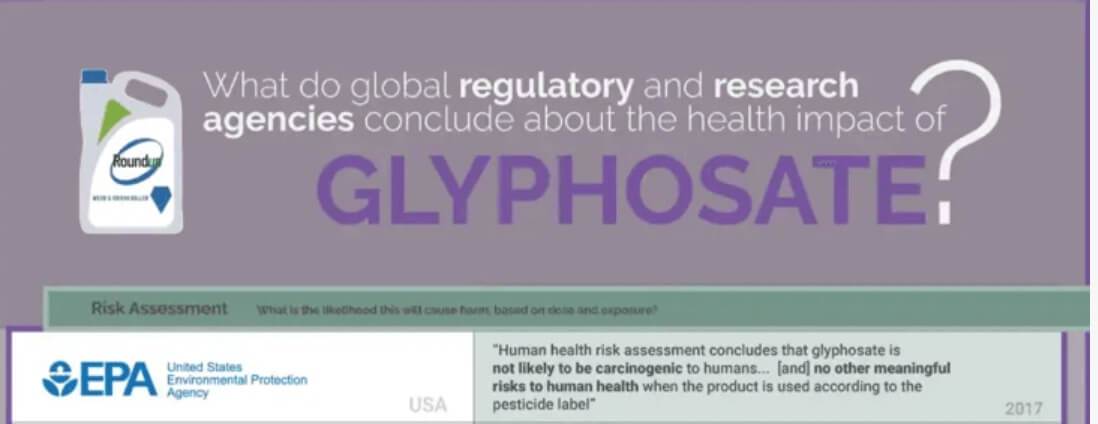
Infographic: Global regulatory and health research agencies on whether glyphosate causes cancer
 | GMO FAQs | More... |

Why is there controversy over GMO foods but not GMO drugs?

How are GMOs labeled around the world?
How does genetic engineering differ from conventional breeding?
 | GLP Profiles | More... |

Alex Jones: Right-wing conspiracy theorist stokes fear of GMOs, pesticides to sell ‘health supplements’

 Viewpoint — Fact checking MAHA mythmakers: How wellness influencers and RFK, Jr. undermine American science and health
 Viewpoint: Video — Big Solar is gobbling up productive agricultural land and hurting farmers yet providing little energy or sustainabilty gains
 Trust issues: What happens when therapists use ChatGPT?
 Fighting deforestation with CO2: Biotechnology breakthrough creates sustainable palm oil alternative for cosmetics
 California, Washington, Oregon forge immunization alliance to safeguard vaccine access against federal undermining
 30-year-old tomato line shows genetic resistance to devastating virus
 The free-range chicken dilemma: Better for birds, but with substantial costs
 ‘You have to treat the brain first’: Rethinking chronic pain with Sanjay Gupta