After "Losing the Will", Akira Toriyama Knew Dragon Ball's Future Would Look Different For One Reason
It’s hard to believe that Dragon Ball creator Akira Toriyama tragically passed away over a year ago, on March 1, 2024. Since then, a clearer picture has emerged of how his life and creative vision evolved alongside his incredible stories and characters. Old interviews and statements have taken on new meaning when viewed through the lens of his passing, offering a more complete understanding of the man behind the legacy.
Recently, a comment made by Toriyama at a 2014 press screening for Dragon Ball Kai has resurfaced, shedding light on why Dragon Ball gradually shifted away from the intense, violent battles that defined Dragon Ball Z. The statement also helps explain the gentler tone seen in his later works, such as SAND LAND and Dragon Ball Daima, which feature child-sized protagonists and emphasize adventure over conflict.
Akira Toriyama Reflects On Dragon Ball
The Creator Examines The Toll Of The Series
Reflecting on the final arc of Dragon Ball in the interview, Toriyama said:
“The final opponent of Dragon Ball’s weekly serialization was Majin Boo. The final opponent is round! Formidable! And tenacious! In the first half, the spotlight shines on the everyday life of Son Goku’s son, Son Gohan, who wants to live an ordinary life but can’t, as well as the first Tenka’ichi Budōkai in a long time.”
He went on to explain the personal cost of the increasingly high-stakes and battle-driven storytelling employed by Dragon Ball:
“In the second half, Majin Boo makes his appearance in the mortal realm at last. It’s a string of battles intense enough for even me, the person writing the comic, to get sick of. Now that I’ve become an old man with high-ish blood pressure and a taste for things mild, I can’t draw these sorts of battles anymore. Or rather, I’ve lost the will to draw a battle manga from here on out.”
That reflection carries more weight in hindsight. It reveals a creator who, after years of explosive action, was ready to explore a quieter, more personal kind of storytelling—and in his later work, he did just that.
Toriyama Explored Everything From Gags To Galaxies
It Reflected A Shift in Tone and Scope

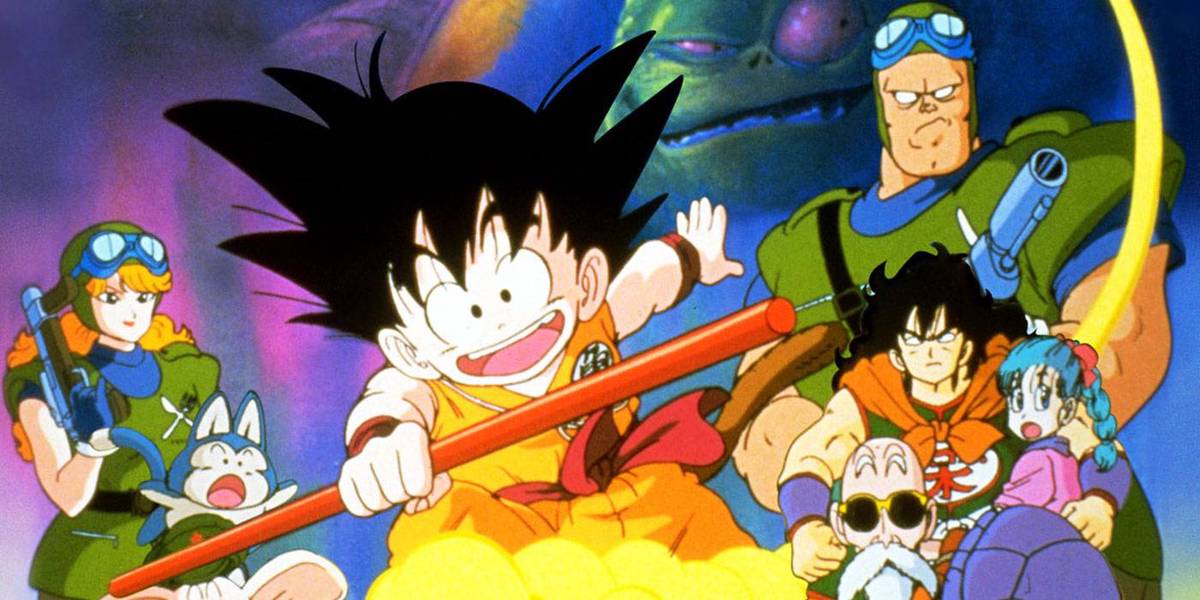
Before Dragon Ball became a global phenomenon, Toriyama was known for the whimsical sci-fi comedy Dr. Slump. His playful, gag-driven style would evolve dramatically through Dragon Ball, as he blended martial arts, myth, and cosmic stakes. What started as a lighthearted adventure slowly transformed into one of the most iconic battle manga in history.
That transformation wasn’t just about bigger fights—it was about scale, tone, and Toriyama’s growing ambition as a storyteller. Early Dragon Ball leaned heavily into comedy and satire, often parodying kung fu films and classic Chinese literature like Journey to the West. But as the series progressed, humor gave way to high-stakes drama, powerful rivalries, and galactic threats. Characters aged, died, and returned. The world expanded from mystical forests to interplanetary arenas.
Dragon Ball Soon Became Synonymous With Power Levels And Global Popularity
Kai Also Marked An Evolution Of The Franchise

When Dragon Ball Z introduced the Super Saiyans, the series took on a new intensity, with battles that resembled the superpowered showdowns of American comic books like Superman and X-Men—though filtered through a distinctly Japanese lens. These high-energy fights likely played a major role in DBZ becoming a massive hit when it aired in the West during the 1990s. For many viewers, the original Dragon Ball came later, but without those “Over 9000” moments, the franchise may never have exploded in popularity overseas the way it did.

Years later, as global interest in the franchise remained strong, Dragon Ball Kai—a remastered and streamlined version of DBZ—aired on April 5, 2009, on Fuji TV. Designed to follow the manga more closely, it removed filler episodes, featured updated visuals, and offered a faster-paced experience. The series also aired internationally, including a popular English-language version, reintroducing the Dragon Ball saga in a cleaner, more accessible format.
Kai Featured Softer Edges Leading To Mixed Reactions
It Had Echoes Of The Past

One notable change in Kai was its toned-down violence—blood and intense fight scenes were softened or edited, particularly in the TV broadcast. While this made the show more suitable for younger audiences and modern standards, it drew mixed reactions from longtime fans, some of whom preferred the original's rawer tone and soundtrack. Still, Kai was widely regarded as a successful revival, balancing nostalgia with a refreshed take on a classic story.
That balance between honoring the past and adapting for the present would continue to shape the franchise. Toriyama’s creative arc mirrors that of his characters—growing more complex, introspective, and human over time. Just as Goku evolved from a carefree boy into a father and protector of Earth, Toriyama gradually shifted from spectacle to simplicity. This change was subtle but ever-present, as themes of family, restraint, and quiet strength became more prominent in his later works.

In that light,the recent Dragon Ball Daima feels less like a finale and more like a return to the beginning. With its de-aged heroes and whimsical tone, the series echoes the spirit of early Dragon Ball, far removed from the galaxy-shaking battles of Z or Super. It’s hard not to see this creative decision as deliberate—a gentle farewell in Toriyama’s own storytelling language.
The Dragon Ball Franchise Looks Ahead
Following Toriyama’s Final Path
Daima, the final series Toriyama worked on, concluded earlier this year. In the wake of his passing, speculation has grown about the future of the Dragon Ball franchise—whether it can, or should, continue without its original creator. At the same time, anticipation is building around the potential return of Dragon Ball Super, with reports suggesting a new story arc is already in development.

Is Dragon Ball Super Really Over? A New Manga Update Says That's Not the Case
Dragon Ball Super's future may still be up in the air at this point, but there's new reasons to believe that the manga will continue eventually.
Toriyama once said he had lost the will to draw battle manga—a quiet but telling sign of the direction he saw for Dragon Ball. Now, without him, the question isn’t just whetherDragon Ballwill continue, but how closely it will follow the path he had already begun to trace. With any luck, the current stewards of the franchise will heed the comments made by Toriyama back in 2014.
Source: Kanzenshuu
- Created by
- Akira Toriyama
- First Film
- Dragon Ball: Curse of the Blood Rubies
- Latest Film
- Dragon Ball Super: Super Hero
- First TV Show
- Dragon Ball
- Latest TV Show
- Super Dragon Ball Heroes
- First Episode Air Date
- April 26, 1989
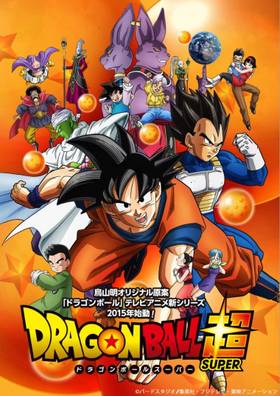
From the creative mind of Akira Toriyama, Dragon Ball is a mega multimedia franchise that spans back to the 1980s. Dragon Ball expanded quickly, starting as a serialized manga for Weekly Shonen Jump in Japan. It made its way overseas via manga and an anime adaptation that is enjoyed worldwide. Dragon Ball was the initial starting animated series that followed the adventures of the young Son Goku as he sought after the Dragon Balls. These mystical orbs would grant the wish of any who gathered them together. Then, the series would branch off into the immensely popular Dragon Ball Z, which followed Goku as an adult and featured high-intensity battles and Goku's never-ending search to be the strongest. The series has also enjoyed several popular video game adaptations and continues to release several new animated series and theatrical films up to the recent popular Dragon Ball Super: Super Hero.