Child Abuse and Mental Health in Sudanese Med Students
Child Abuse and Mental Health in Sudanese Med Students
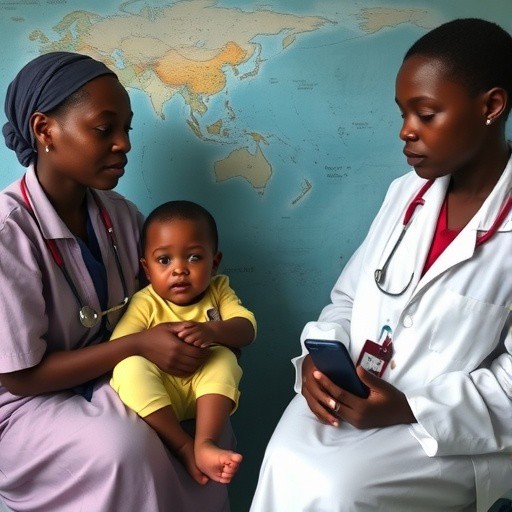
Childhood trauma casts a long, often unseen shadow over mental health, influencing individuals’ psychological well-being well into adulthood. Nowhere is this more poignant than in the population of university students who face immense academic pressures on top of personal histories they may carry silently. A compelling new study from the University of Khartoum, Sudan, sheds light on this pressing issue, revealing unsettling rates of childhood abuse among medical students and the significant mental health consequences tied explicitly to emotional maltreatment.
In a rigorous cross-sectional analysis involving 313 medical students, researchers employed standardized tools such as the Childhood Trauma Questionnaire (CTQ-28) and General Health Questionnaire (GHQ-12) to quantify experiences of childhood maltreatment and current psychological distress. This quantitative approach allowed for precise measurement of multiple abuse domains—sexual, emotional, physical—and their nuanced impacts on mental health outcomes.
The results were sobering. Approximately 40% of participants disclosed some form of childhood trauma, an alarmingly high figure that positions child maltreatment as a pervasive issue within this demographic. Sexual abuse emerged as the most frequently reported form at 23.3%, closely followed by emotional neglect at 19.2%. These statistics align with broader, though regionally varied, global data showing the endemic nature of childhood abuse in lower-resource settings such as Sub-Saharan Africa but now provide critical localized insight specific to Sudanese populations.
Gender disparities became apparent in psychological distress assessments, with female students reporting significantly higher levels of mental health challenges than their male counterparts (p = 0.049). This finding underscores gendered vulnerability in the face of trauma and invites deeper consideration of socio-cultural factors that may exacerbate psychological distress among women in this context, especially within the patriarchal societal frameworks common to the region.
Intriguingly, when parsing the data further, sexual abuse and general childhood abuse showed strong associations with elevated psychological distress scores initially. However, after applying propensity score matching—a sophisticated statistical technique to reduce gender bias—the significance of sexual abuse’s direct impact diminished. This suggests complex interplays between different trauma types and demographic variables that require further nuanced analysis.
Among all forms of childhood trauma, emotional abuse stood out with the highest correlation to psychological distress (r = 0.405), significantly outpacing the relationships seen with other abuse types such as emotional neglect (r = 0.232). The robustness of emotional abuse as a predictor held firm through multiple regression analyses, both before (p < 0.001) and after adjusting for gender effects (p = 0.005). This finding is particularly important, given emotional abuse’s often invisible, insidious nature that leaves no physical scars but profoundly damages mental health.
The study’s conclusions spotlight emotional abuse as a critical, but under-recognized, form of childhood maltreatment that merits urgent public health attention, especially in educational and healthcare training institutions. Unlike physical or sexual abuse, which often provoke external intervention due to visible evidence, emotional abuse is frequently hidden and neglected by both families and health systems, perpetuating long-term psychological harm.
Further research is called for by the authors to interrogate emotional abuse’s domain-specific pathways and to develop targeted prevention and intervention strategies. Emotional maltreatment’s stealthy character complicates detection and mitigation, rendering awareness campaigns and specialized training vital for educators, counselors, and mental health professionals working within university settings.
In a broader context, this research adds to the global discourse on child maltreatment’s pervasive impact on mental health and underscores the importance of culture-specific investigations. Sudan, facing myriad socioeconomic and political challenges, reflects unique patterns of abuse and resilience that international studies may overlook. Such localized research offers insights essential for tailoring mental health services and preventive frameworks effectively.
Given the prospective role of medical students as future healthcare providers, understanding their psychosocial vulnerabilities takes on additional importance. Addressing childhood trauma within this group is not only a matter of individual health but also impacts the quality of future patient care, empathy, and professional performance within Sudan’s evolving health system.
This investigation also raises critical ethical considerations about the duty of care universities owe their students, highlighting the need to integrate trauma-informed practices and comprehensive support systems in medical education. Mental health promotion in such high-stress academic environments must transcend generalized well-being programs and directly confront underlying childhood adversities.
Ultimately, this study provides a clarion call to policymakers, educators, and healthcare practitioners in Sudan and similar contexts, emphasizing both the prevalence and profound effect of childhood emotional abuse. By improving identification, enhancing support services, and prioritizing emotional abuse prevention, institutions can help ameliorate the hidden yet devastating mental burdens carried by tomorrow’s healthcare professionals.
The intersection of child maltreatment and mental health is a silent epidemic demanding urgent, evidence-based action. As this research from Khartoum reveals, the invisible wounds of emotional maltreatment require visibility, validation, and targeted response to curtail their long-lasting impact on young adults caught at the crossroads of academic rigor and psychological recovery.
Subject of Research: Prevalence and impact of childhood abuse, particularly emotional abuse, on mental health among medical students at the University of Khartoum, Sudan
Article Title: Prevalence of child abuse and common mental comorbidity among university of Khartoum medical students, Khartoum, Sudan
Article References:
Mustafa, T., Elbadawi, M.H., Elamin, M.Y. et al. Prevalence of child abuse and common mental comorbidity among university of Khartoum medical students, Khartoum, Sudan. BMC Psychiatry 25, 535 (2025). https://doi.org/10.1186/s12888-025-07006-9
Image Credits: AI Generated
DOI: https://doi.org/10.1186/s12888-025-07006-9
KIST Engineers Versatile Peptide to Combat Viruses and Accelerate Wound Healing
Next PostNew Research Reveals Bed Bugs as Humanity’s Earliest Pests
Related Posts

Screening Neurodevelopment in Sub-Saharan Kids
Mindfulness Intervention for Caregiver-Preschooler Dyads Shows Promise
Evaluating Mental Health Coordinators in Aussie Schools
Higher PHQ-9, NLR Link to Stroke Risk
Impact of Leadership on School Climate and Bullying