CRISPR gene editing shown to increase corn and rice yields

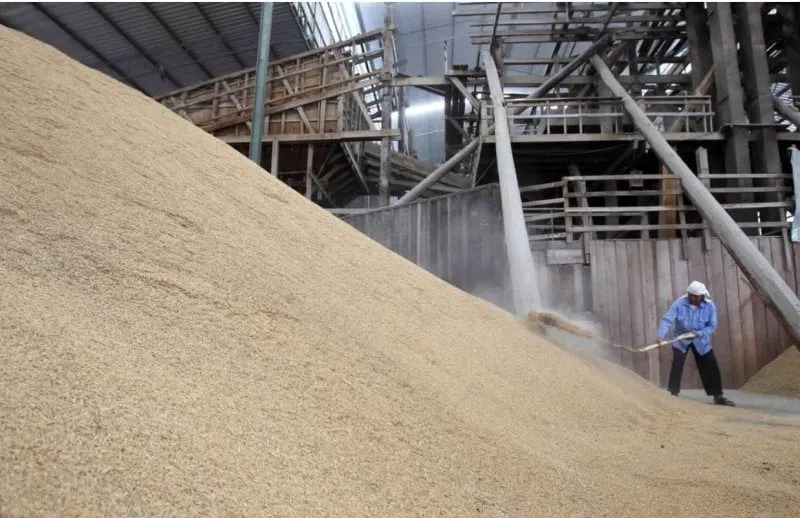
A team of researchers affiliated with a large number of institutions in China and one in Germany has found that turning off a certain gene in corn and rice can lead to improvements in crop yields. In their paper published in the journal Science, the group describes mapping the genomes of both plants as a way to search for genes associated with grain yield using CRISPR gene editing to improve yields in test crops.
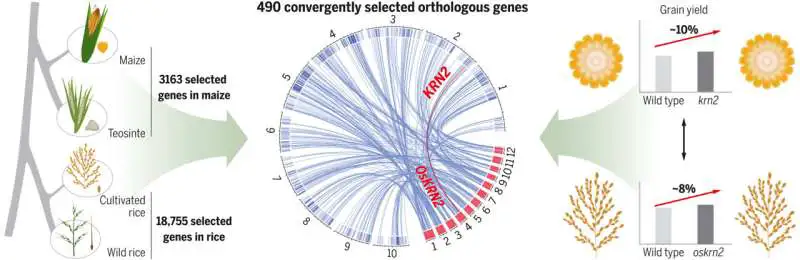
As the planet continues to warm, scientists around the world are increasingly concerned about the ability of farmers to grow enough food to feed an ever-growing populace. Prior research has suggested that some of the land now used to raise crops may become less fruitful. Researchers are therefore looking for ways to increase crop yields. In this new effort, the researchers mapped the genomes of corn and rice, two of the biggest global food crops, and then searched their genomes for genes related to grain yield. They found 490 pairs of genes that appeared to serve similar functions in both plants. They narrowed down the genes to just two—one from corn and one from rice. They found that both of them produced a type of protein that regulated the number of grains a given plant could produce. They then used the CRISPR gene editing technique to turn off these two genes. Then they planted test crops using the seeds with the edited genes and measured the average yield.
In looking at their yield numbers, the researchers found the plants with modified genes produced more grains per plant than control groups. They saw yield increases of 10% in the corn and 8% in the rice. They also studied the genetically modified plants to see if they could spot any other changes, specifically those that might make have a negative impact on plant growth and found none. They suggest their technique provides a reasonable approach to increasing crop yields and posit that the modified plants could be mixed with wild varieties to create new species that might be more resistant to climate change.
Read the original post here.
 | Videos | More... |

Video: Nuclear energy will destroy us? Global warming is an existential threat? Chemicals are massacring bees? Donate to the Green Industrial Complex!
 | Bees & Pollinators | More... |

GLP podcast: Science journalism is a mess. Here’s how to fix it

Mosquito massacre: Can we safely tackle malaria with a CRISPR gene drive?

Are we facing an ‘Insect Apocalypse’ caused by ‘intensive, industrial’ farming and agricultural chemicals? The media say yes; Science says ‘no’
 | Infographics | More... |
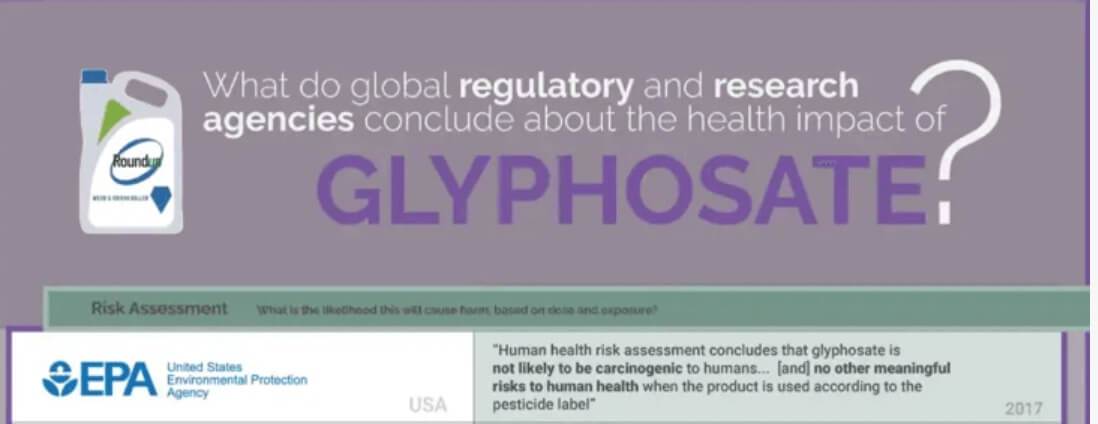
Infographic: Global regulatory and health research agencies on whether glyphosate causes cancer
 | GMO FAQs | More... |

Why is there controversy over GMO foods but not GMO drugs?

How are GMOs labeled around the world?
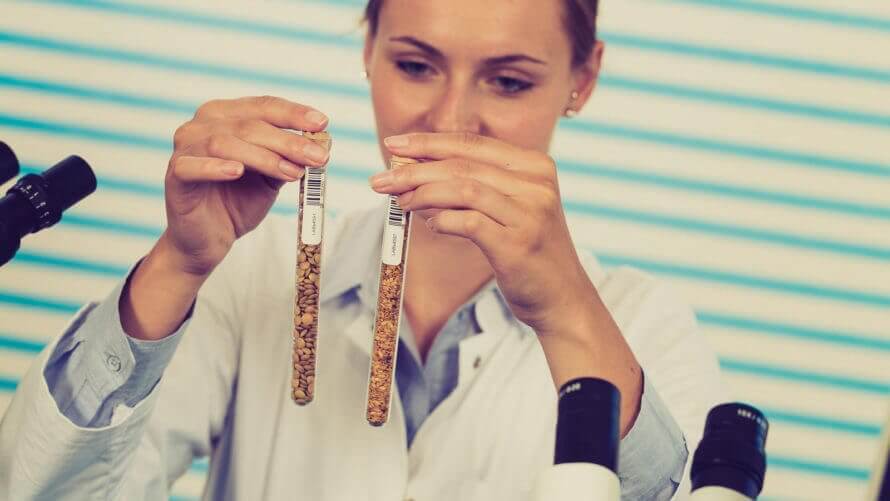
How does genetic engineering differ from conventional breeding?
 | GLP Profiles | More... |

Alex Jones: Right-wing conspiracy theorist stokes fear of GMOs, pesticides to sell ‘health supplements’

 Viewpoint — Fact checking MAHA mythmakers: How wellness influencers and RFK, Jr. undermine American science and health
 Viewpoint: Video — Big Solar is gobbling up productive agricultural land and hurting farmers yet providing little energy or sustainabilty gains
 Fighting deforestation with CO2: Biotechnology breakthrough creates sustainable palm oil alternative for cosmetics
 Trust issues: What happens when therapists use ChatGPT?
 California, Washington, Oregon forge immunization alliance to safeguard vaccine access against federal undermining
 30-year-old tomato line shows genetic resistance to devastating virus
 The free-range chicken dilemma: Better for birds, but with substantial costs
 ‘You have to treat the brain first’: Rethinking chronic pain with Sanjay Gupta