The United Nations on Tuesday condemned a deadly car bomb attack in the Syrian city of Manbij that killed 20 people, mostly women, and left many others critically injured.
Thousands displaced
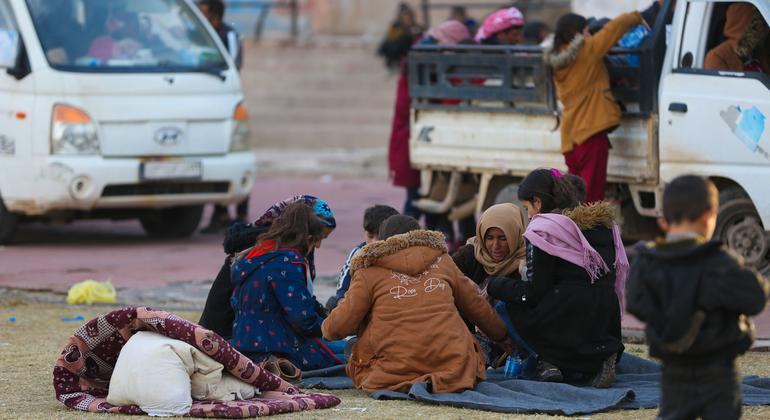
Meanwhile, hostilities persist in northeast Syria, particularly in eastern Aleppo, Al-Hasakeh and Ar-Raqqa, where over 25,000 have been displaced.
Shelling, airstrikes, and ongoing clashes have devastated communities, leading to widespread destruction of homes, hospitals, and essential infrastructure, according to a humanitarian bulletin issued by UN relief coordination office, OCHA.
Across the country, lack of public services and funding have made it difficult for humanitarian organizations to respond.
In Homs and Hama, electricity is available for only 45 to 60 minutes every eight hours, while in northwest Syria, more than 100 health facilities have run out of funding since the start of the year.
The UN and its partners are appealing for $1.2 billion to assist 6.7 million of Syria’s most vulnerable people through March 2025.
Humanitarian efforts
Despite the challenges, UN agencies and partners continue their efforts to deliver assistance and monitor the situation, as security allows.
On February 3, a UN cross-border mission from Türkiye to Idlib assessed cash distribution efforts – part of a broader effort to reach communities in need.
“So far in 2025, we completed 40 cross-border missions to Syria, mostly to monitor and assess projects – nearly double the number of missions that we had at the same time last year,” Mr. Dujarric said.
On January 30, UN teams also conducted an assessment mission to Sweida, close to the Jordanian border, marking the first UN presence in the area since October 2023. The visit revealed critical shortages of drinking water and irrigation resources, exacerbated by years of drought.
Meanwhile, a recent survey by the UN refugee agency, UNHCR, found that 27 per cent of Syrian refugees in Jordan, Lebanon, Iraq and Egypt, plan to return home within the next 12 months – a sharp increase from less than 2 per cent recorded in April last year.
Since the fall of the Assad regime in December, to 23 January, over 210,000 Syrians have returned with many facing challenges related to destroyed property, lack of infrastructure, and security concerns.
Internally displaced persons (IDPs) within Syria are also beginning to return home, albeit in small numbers.
Since early December, approximately 57,000 IDPs – mostly single-family groups or individuals – have left IDP camps.
However, nearly two million people remain in over 1,500 camps across Idlib and northern Aleppo, where safety concerns and a lack of essential services continue to hinder returns.