Decoding Dinner: DNA Analysis Reveals the Diverse Diet of Wasp Larvae
Decoding Dinner: DNA Analysis Reveals the Diverse Diet of Wasp Larvae
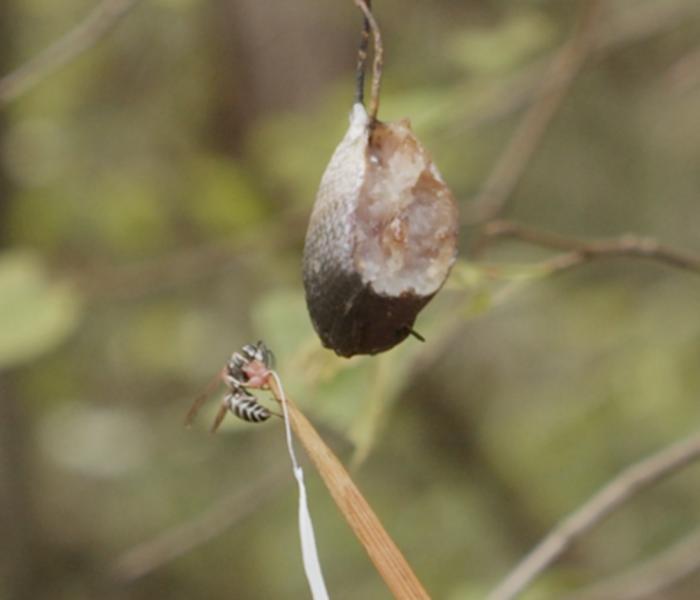
In the heart of Japan’s rural woodlands, a unique culinary tradition intersects with cutting-edge genetic science, revealing unexpected complexities in the diet of the wasp species Vespula shidai. This species, long revered for its edible larvae known locally as hachinoko, has been traditionally harvested for consumption in central Japan. A new study conducted by researchers from Kobe University has unveiled groundbreaking insights into the dietary ecology of these wasps, challenging previous assumptions and underscoring the intricate relationship between cultural practices and ecological sustainability.
For decades, Vespula shidai larvae have been a delicacy, consumed without extensive scientific examination of the wasps’ feeding habits. Until recently, the understanding of what these wasps preyed upon was limited, fragmented, and largely based on observational reports dating back to the mid-20th century. The recent application of DNA metabarcoding technologies—an innovative method that amplifies and sequences DNA fragments to identify multiple species from a single biological sample—has dramatically transformed this understanding. The research team, led by entomologist Saga Tatsuya, meticulously analyzed the gut contents of larvae collected from both wild and reared nests, employing this sophisticated technique to untangle the species diversity within the wasps’ diet.
The findings were nothing short of astonishing. Vespula shidai was shown to prey on an astounding variety of creatures—324 distinct species spanning insects, arachnids, and various vertebrates such as birds, mammals, reptiles, amphibians, and even fish. This breadth of dietary diversity far exceeds prior estimates and suggests that the species has a more ecologically expansive role than previously recognized. Notably, the study discerned marked differences between larvae from wild colonies versus those reared under human supervision, particularly in the diversity and prevalence of vertebrate prey within their diets.
Wild V. shidai colonies exhibited a substantially wider range of vertebrate species in their gut contents, indicating a strong reliance on nutrient-rich carrion from wild animals, which appears crucial for the larvae’s development. In contrast, larvae from reared nests showed significantly less reliance on such vertebrate prey but maintained a high intake of insect species. This insight points to the complex nutritional ecology of the wasps, highlighting how human rearing practices may alter natural feeding behaviors, potentially affecting the broader scavenging dynamics and local ecosystem functions.
The implications of these findings extend beyond ecology into the realms of gastronomy and cultural heritage. Participants with experience in rearing hachinoko larvae reported detectable differences in taste and aroma between wild and farmed specimens. More than half of these respondents expressed a clear preference for wild-harvested larvae, suggesting a sensory perception aligned with the diversity of the wasps’ diet. Though these subjective assessments await further scientific validation, they hint at an intriguing intersection between ecological variation and culinary experience.
The research team contextualizes their work within the dichotomy of sustainability and tradition. As global food systems face growing pressure to optimize efficiency and minimize environmental impact, there is often a risk of disregarding cultural practices intimately entwined with local biodiversity. Saga underscores the urgency of appreciating such biocultural systems, where human communities have long engaged with native species, fostering a harmonious relationship that supports both ecological health and cultural identity.
Methodologically, the study leverages DNA metabarcoding as a transformative analytical tool in entomology and ecological research. By sequencing multiple species’ genetic material from complex biological mixtures—in this case, the gut contents of wasp larvae—the team transcended the limitations of traditional observational or morphological identification methods. This approach enabled the precise cataloging of a vast array of prey species, including those that are otherwise cryptic or microscopic, providing an unprecedented resolution into the trophic interactions of Vespula shidai.
Despite its groundbreaking nature, the study acknowledges certain limitations, including its temporal and geographical scope. Conducted exclusively in the autumn season and confined to a restricted regional area, the research calls for broader investigations across multiple seasons and locales to better capture temporal and spatial variability. Equally important is the need to explore social and cultural factors that influence feed choice and rearing practices, which could enhance management strategies tailored to balance conservation and cultural values.
The ecological ramifications of this research are multifaceted. By revealing the wasps’ role as both hunters of invertebrates and consumers of vertebrate carrion, it positions Vespula shidai as a key player in regulating local food webs and nutrient cycling. The altered prey composition observed in reared colonies may signal unintended consequences for local scavenger communities and highlights the importance of integrating ecological knowledge into sustainable farming practices.
From a cultural standpoint, the tradition of consuming hachinoko larvae exemplifies Japan’s long-standing entomophagy—eating insects—rooted in regional custom and biodiversity. This study adds scientific depth to cultural heritage, providing a framework to sustain and adapt these practices in harmony with an increasingly complex environmental landscape. It is a vivid reminder of how modern science can illuminate the intricate links between nature and human culture, fostering pathways for responsible stewardship.
Furthermore, the study poses thought-provoking questions about the broader implications of shifting wild food practices amidst modern agriculture and globalization. As human interventions alter the dietary ecology of a species, the ripple effects may extend through ecological communities and cultural narratives alike. Therefore, ongoing interdisciplinary research crossing biology, anthropology, and gastronomy becomes essential to navigate the future of such biocultural delicacies.
Ultimately, this research from Kobe University underscores the value of integrating cultural traditions with state-of-the-art scientific techniques, enriching our understanding of ecological systems and guiding sustainable management. It not only uncovers the hidden complexity within the diet of a culturally significant wasp species but also exemplifies how cutting-edge DNA techniques can inform conservation and cultural continuity in tandem.
As the field advances, expanding the temporal and spatial parameters of study, and incorporating nuanced social perspectives on taste and preference, will be essential. These efforts promise to unlock further secrets of Vespula shidai and reinforce the nexus of ecological sustainability, cultural heritage, and scientific innovation.
Subject of Research: Animals
Article Title: Unraveling the dietary ecology and traditional entomophagy of Vespula shidai in Central Japan: Insights from DNA metabarcoding and local practices
News Publication Date: 14-May-2025
Web References: 10.1163/23524588-bja10201
Image Credits: Credit: SAGA Tatsuya
Keywords: Vespula shidai, wasp larvae, hachinoko, DNA metabarcoding, dietary ecology, entomophagy, traditional food, biodiversity, vertebrate prey, sustainable management, cultural heritage, insect diet
Cluster-Root Secretions Enhance Phosphorus Accessibility in Nutrient-Poor Soils
Next PostKyoto Puzzle: Hotel Numbers Surpass Households in Historic City
Related Posts

Interactive Apps and AI Chatbots Enhance Playfulness While Mitigating Privacy Concerns
Moral Appeals Outperform Hatred in Reducing Online Vitriol, Study Finds
American College of Chest Physicians Boosts Sustainability with Solar Panel Installation at Glenview Headquarters
What Drives People to Believe Falsehoods?
From Crosses to Crescents: How Islamic-Christian Art Unified the Medieval Mediterranean