
First Person: Saving the Earth from space | UN News
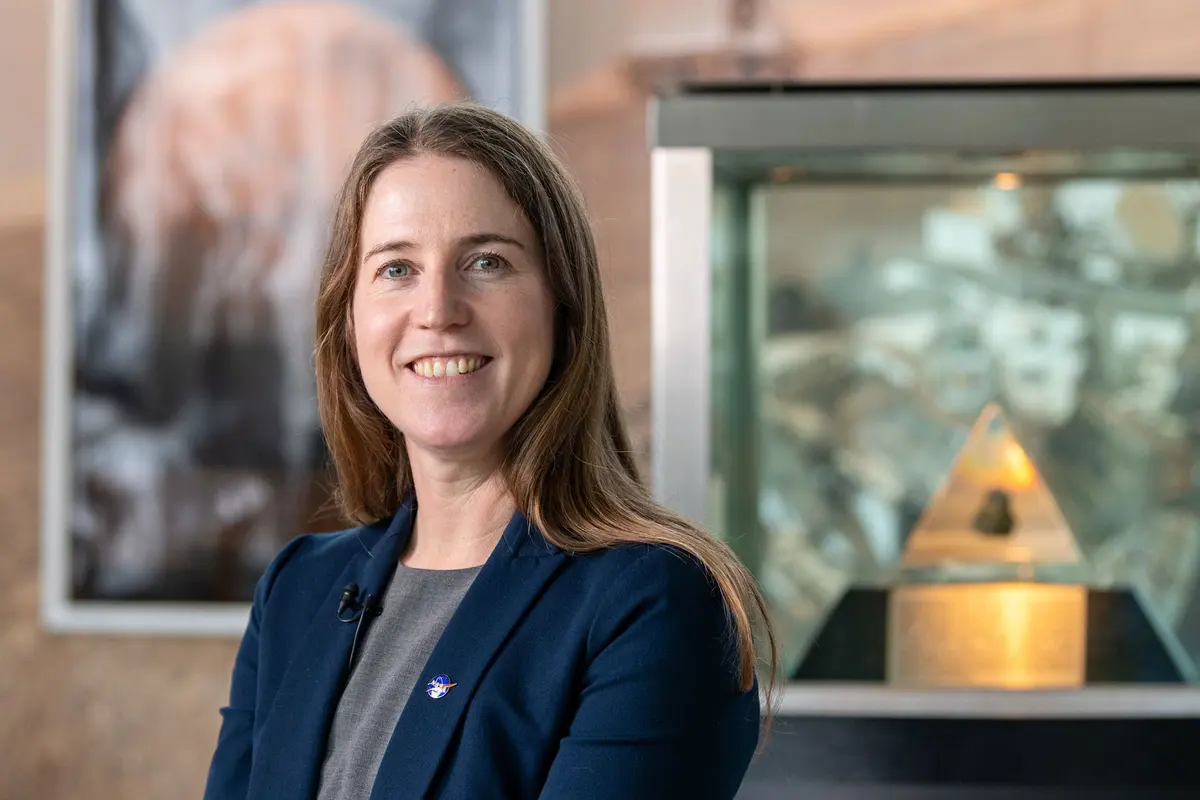
Ahead of International Mother Earth Day, observed on 22 April, NASA’s Chief Scientist, Dr. Katherine Calvin, shared her terrestrial and intergalactic experiences with UN News and how viewing the Earth from outer space has driven generations to advance climate action.

Unique celestial perspective
There are so many great examples of how space has been important or could be in the future. Space offers us the opportunity to see the entire Earth, and so we can provide information that helps people understand how the climate is changing and [generate] ideas and inclusion and diversity of ideas to approach the different aspects of challenges.
We can observe trees, people, and land cover from space. People have used that information to understand how much carbon there is and where carbon is stored on land and how that changes over time.
I try to relate to what is going on where people are and talk about what science we know and what is on the horizon to help those decisions; like how the Earth is changing, how climate is changing, and this helps people adapt to changes where they live.
Space-based capabilities
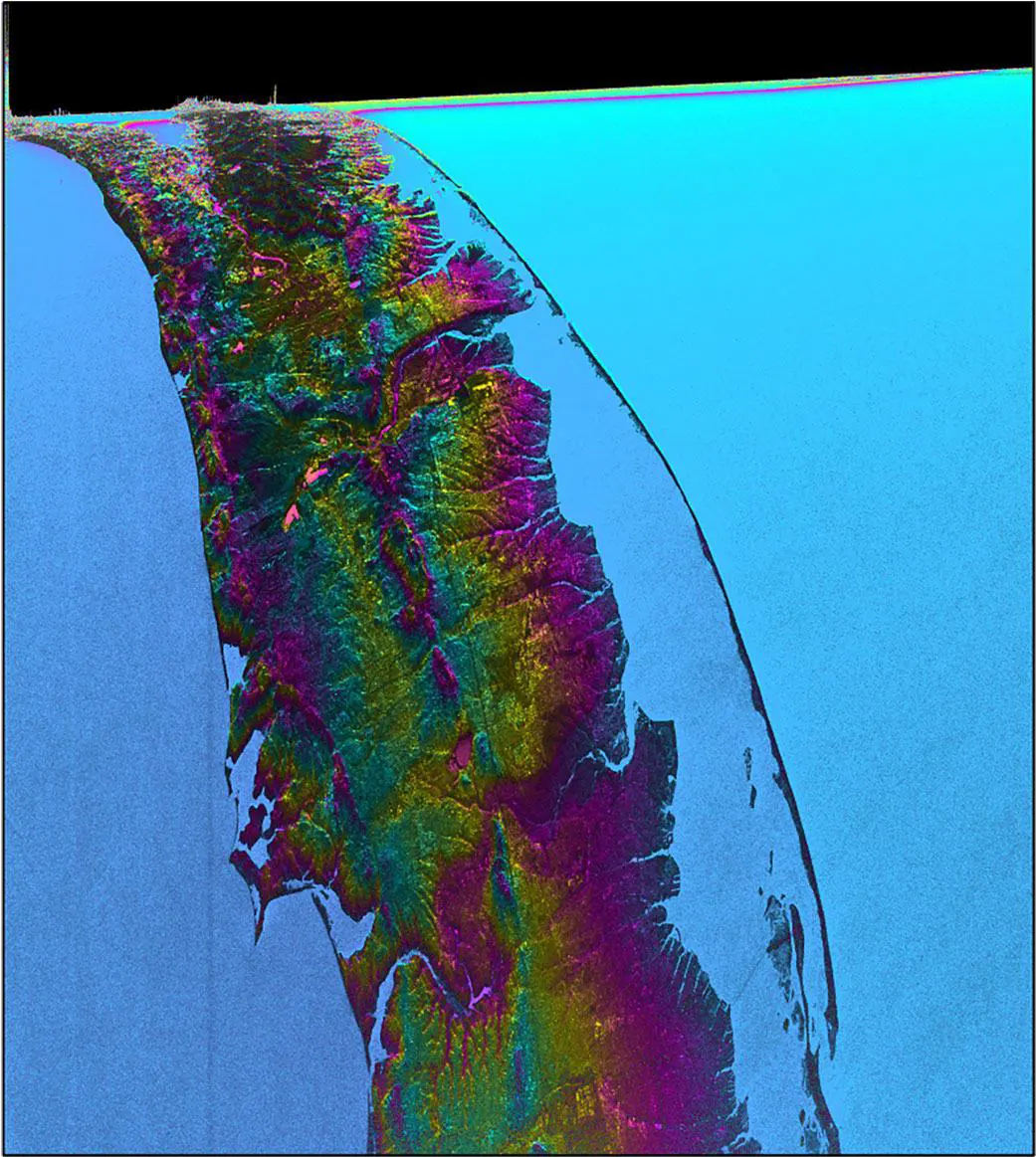
We have space-based capabilities that can track wildfires as well as measure rising sea levels. Where fires are burning, we can look at emissions associated with fire, and that’s really important to people who live in affected communities.
Also, we’ve combined models, both produced by NASA and other organizations, to think about how sea levels might rise in the future.
The NASA SERVIR initiative works with local organizations on how they can use satellite information to face the challenges in their communities in Asia, Africa, and Latin America.
Interstellar inspiration
We also use space to inspire people. We have taken pictures of Earth from Apollo or from the recent Artemis mission, and you can see the little blue ball from far away.
On this Earth Day, let us cherish our planet and raise awareness about the role of space exploration and utilization in preserving its beauty.”
Learn more about the UN Office for Outer Space Affairs (UNOOSA) here.

