Global Hake: Boosting Food Security and Supply Resilience
The role of international food trade in supporting food and nutrition security worldwide is increasingly acknowledged. While trade optimises food distribution, diversifies diets, and stabilises prices1,2, disparities in governance, infrastructure, and market access often skew these benefits3,4,5. Low-income and vulnerable countries are particularly exposed to negative shocks in the food trade system, making equitable distribution of food a significant challenge6,7,8.
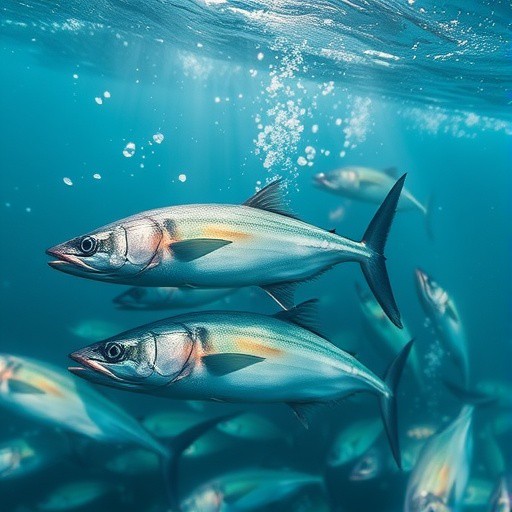
Within the intricate web of global trade, hake emerges as a species of significant economic and nutritional value, impacting international market dynamics and dietary preferences worldwide. Primarily belonging to the genera Merluccius and Urophycis, hake is extensively traded on the international stage and is a critical component of the global white fish market. Its trade volumes and values, which between 2016 and 2022 accounted for 2.23% and 2.19% respectively of the global trade in frozen fish, underscore its significant commercial role relative to other major seafood commodities such as yellowfin tuna, which represented 4.3% by weight and 5.43% by value9. This study aims to explore the intricacies of the global hake trade network (HGTN), emphasizing its pivotal role in the broader context of global fisheries and trade policies.
Food security, as defined by the Food and Agriculture Organization (FAO), is a condition that exists when all people, at all times, have physical, social, and economic access to sufficient, safe, and nutritious food that meets their dietary needs and food preferences for an active and healthy life. The international trade of aquatic products is crucial for enhancing global food security, expanding consumer choices, and driving economic growth, particularly in lower-income countries10. This sector not only generates significant export revenue and employment but also addresses nutritional needs, especially in regions like Africa, where the import of nutrient-rich small pelagic species plays a pivotal role in enhancing food security and providing access to essential micronutrients9. Seafood, one of the most globally traded food commodities, is susceptible to various negative shocks such as fishery collapses, natural disasters, oil spills, policy shifts, and disease outbreaks in aquaculture, which threaten its stability and availability11. Moreover, as the global population is projected to reach nearly 9.8 billion by 2050, the escalating demand for nutritious food sources such as seafood further exacerbates these challenges (United Nations).
Global trade agreements and organisations such as the World Trade Organisation (WTO) have significantly broadened the reach of the seafood trade by reducing barriers and promoting interregional exchange. While these developments have been crucial for economic growth and market access9,12, they also present challenges for resource management and the traceability of fisheries. The liberalization of trade has the potential to complicate the tracking of seafood products, making mechanisms like traceability and catch documentation even more essential. These mechanisms are the cornerstone of food safety regulations and key initiatives in the fight against illegal, unreported, and unregulated fishing. Alongside these, certification schemes and ecolabels play a critical role in safeguarding consumer protection and ensuring sustainable resource use. They help maintain a balance between the benefits of market access and the imperatives of environmental and consumer safety9.
The global decline of fish stocks within biologically sustainable levels—from 90 percent in 1974 to 64.6 percent in 2019—highlights the escalating pressures on marine resources, with significant implications for global food security and local economies13. The resilience of seafood trade networks, increasingly recognized as fundamental to sustaining global food supplies amid ecological and economic shocks, refers to the capacity of these networks to maintain their functionality and structure in the face of external stresses4,6. Such resilience is crucial in the fisheries sector, where sustainability of fish stocks is directly impacted by market demands and regulatory frameworks14,15.
In the Southwest Atlantic, for example, the Argentine hake (Merluccius hubbsi) catch increased significantly by 26 percent from 2017, marking it as a crucial species in terms of catch volumes for the FAO area9. This improvement exemplifies how effective fisheries management can enhance sustainable fisheries practices. Conversely, in the Mediterranean and Black Sea, most commercially important stocks, including hake (Merluccius merluccius), are fished beyond biologically sustainable limits, with an overall fishing mortality nearly 2.5 times higher than sustainable reference points9.
Substantial research underscores the multifaceted impact of global trade networks, highlighting both their benefits and vulnerabilities, as well as the complex interdependencies they create among producers, intermediaries, and consumers Stoll et al.16,17,18,19. For example, analysis of lobster trade routes has revealed that regional market shifts or policy changes can have extensive effects on global markets, affecting stakeholders from producers to consumers across different continents (Stoll et al.16). Similarly, studies on the octopus trade demonstrate that the dominant exporters and importers may not necessarily control the market; often, it is the entities within expansive and diversified commercial networks that bridge major economies or regions, effectively directing the flow of goods19. Employing network analysis to explore these complex trade dynamics allows for a deeper understanding of how distant feedback loops and trade dependencies influence global markets17,18. This methodological approach is essential for developing strategies that promote effective and sustainable fisheries management and inform sound policy decisions19,20,21,22,23. Hake, being a major commodity in the seafood market, is subjected to varying fishing pressures and regulatory environments across its range. The species’ trade patterns provide critical insights into overexploitation risks and opportunities for implementing sustainable practices. By analysing these networks, stakeholders can identify key countries and links that are crucial for the flow of hake, pinpointing where interventions might be most effective. This analysis helps in understanding how disruptions in one part of the network, such as overfishing in a primary export region or policy changes in a major import country, can ripple through to affect global supply chains.
This paper, therefore, seeks to address three interconnected objectives. First, it aims to delineate the structure and characteristics of the global hake trade network, highlighting the interplay between trade dynamics and fisheries management. Second, it endeavours to assess the resilience of this network, with a particular focus on its capacity to withstand and adapt to ecological and economic shocks. Lastly, it seeks to contribute to the discourse on sustainable fisheries management by examining how trade networks can be leveraged to promote more equitable distribution of resources and enhance global food security.
Through this comprehensive analysis, the paper aspires to provide actionable insights and recommendations that can inform policy decisions and management strategies aimed at sustaining the viability of hake fisheries and ensuring the long-term resilience of global seafood supplies.