I've Found the Real Reason Your Favorite '90s Anime Exist, And Let Me Tell You It's Dark
Anime from the 1990s just hits different. While earlier and later anime heroes—like Goku from Dragon Ball Z or Naruto Uzumaki from Naruto—tend to flash big smiles and embody boundless optimism, the main characters of '90s anime felt like something was wrong. Protagonists like Shinji Ikari from Neon Genesis Evangelion or Spike Spiegel from Cowboy Bebop came across as distant, brooding, and haunted by inner struggles. And there’s a reason for that.
These characters were born out of a very specific moment in Japan’s history. After the economic bubble burst in the early 1990s, Japan entered what’s known as the “Lost Decade”—a prolonged period of recession and stagnation. The optimism of the previous decades suddenly gave way to widespread unemployment, social disillusionment, and growing uncertainty about the future. This national mood seeped into pop culture—especially anime. As a result, many '90s anime took on heavier, more introspective themes with shows often exploring psychological trauma, existential questions, and the pressures of modern life.
The heroes of these stories weren’t flawless or inspirational—they were confused, vulnerable, and painfully human. And that’s exactly what made them so relatable and why these series continue to resonate even decades later.
The Emotional Fallout of Economic Collapse
Anime as Existential Therapy

To really understand why anime from the 1990s felt so raw and powerful, it helps to look at Japan’s “Lost Decade.” After years of rapid economic growth through the '70s and '80s, the sudden collapse of the asset price bubble in the early '90s hit hard. The country fell into a deep recession. Once-stable jobs disappeared, young people lost faith in the system, and a pervasive sense of emptiness set in. The themes of fear, disconnection, and helplessness that show up in so many '90s anime didn’t come out of nowhere—they were reflections of real societal trauma.

Amid all this, creators began diving deeper into darker and more philosophical territory. Anime like Neon Genesis Evangelion and Serial Experiments Lain weren’t just entertainment—they were meditations on loneliness, identity, and what it means to be human in an increasingly uncertain world. Their characters struggled not with villains, but with themselves, mirroring the internal battles many viewers were fighting too. That shift marked a turning point in anime storytelling—and left a lasting impact on the medium.
Hideaki Anno: From Optimism to Disillusionment
Escaping Reality Through Fandom

Hideaki Anno, the creator of Evangelion, was born in 1960, just as Japan’s postwar economic miracle was ramping up. He grew up during the boom years, watching sci-fi anime like Space Battleship Yamato and Mobile Suit Gundam, which were full of bold heroes, epic battles, and hopeful visions of the future. But the Japan he came of age in was far more complicated. In an interview, Anno reflected: “After the bubble burst, Japan felt as if its dreams and hopes had suddenly vanished. People no longer knew what to believe in. There was a sense of emptiness, both economically and spiritually.”
Anno began his animation career in 1981 and quickly became part of a new wave of creators who proudly identified as otaku—dedicated fans of anime, manga, and pop culture. He joined the animation studio Gainax, which gained notoriety for Otaku no Video, a satirical love letter to otaku culture that playfully imagined a future where nerds rule the world. But for many, diving into hobbies wasn’t just fun—it was a form of escape. Anno once said: “Otaku culture has become a means of escaping reality. The 1990s, in particular, was a time when more and more people lost the ability to confront reality.”
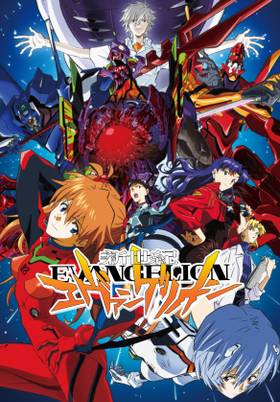
- Created by
- Hideaki Anno
- First Film
- Neon Genesis Evangelion: Death & Rebirth
After directing Nadia: The Secret of Blue Water for Gainax, Anno turned his attention to what would become his defining work: Neon Genesis Evangelion, which premiered on Japanese television in 1995. The series became a deeply personal project, one where he explored his own depression and the psychological malaise he saw all around him. As he put it: “Evangelion is a work that directly reflects the anxieties and confusion of the 1990s. I wanted to express the loneliness and sense of powerlessness that people felt.”

Despite its heavy themes—or maybe because of them—Evangelion struck a chord. It became one of the most iconic anime series of the decade, redefining what anime could be and helping to propel otaku culture into the mainstream, both in Japan and abroad.
A New Wave of Psychological Storytelling
Wired Minds and Digital Isolation

After the breakout success of Neon Genesis Evangelion, anime in the late '90s took a darker, more introspective turn—mirroring the mood of Japan’s “Lost Decade.” Films and shows like Perfect Blue (1997), Cowboy Bebop (1998), and Serial Experiments Lain (1998) dug deep into themes of identity, isolation, and existential uncertainty. In Perfect Blue, Satoshi Kon tells the story of a pop idol losing her grip on reality as she tries to reinvent herself, reflecting the era’s anxieties around fame, identity, and societal pressure. Cowboy Bebop followed space-faring bounty hunters haunted by personal trauma, wrapped in a noir style that echoed the disillusionment and emotional drift of the time.


Meanwhile, Serial Experiments Lain explored how digital life and technology were starting to reshape human identity. As its quiet protagonist becomes consumed by a mysterious virtual network called “the Wired,” the show taps into fears about losing connection with reality—just as the internet was beginning to change everyday life. Together, these series weren’t just artistic standouts—they captured the emotional undercurrent of a country in crisis and showed how anime could serve as a lens for processing the deeper, more complicated parts of the world on the other side of the screen.
A Softer Shift in the 2000s
The 1990s Still Echo Today
After the emotional heaviness of the '90s, anime in the 2000s started to shift gears. While darker, introspective stories didn’t disappear, the tone across the industry began to lighten and diversify. Shows like The Melancholy of Haruhi Suzumiya and K-On! captured a new kind of mood—more playful, character-driven, and focused on everyday life. The rise of “moe” culture and slice-of-life genres reflected a changing audience and a growing appetite for comfort and connection. Meanwhile, big action series like Naruto, Bleach, and Fullmetal Alchemist brought back more traditional hero narratives, appealing to younger viewers and tapping into a sense of escapism that felt different from the psychological depth of the '90s.

10 Darkest Anime Series Of All Time, Ranked
Series like Nier: Automata Ver 1.1a and Re:Zero show the darker sides of anime, placing their heroes in the bleakest scenarios time and time again
And yet the legacy of 1990s anime is still very much with us in spirit. Titles like Evangelion, Perfect Blue, Lain, and Cowboy Bebop didn’t just tell stories; they held up a mirror to a society in crisis, asking questions we’re still grappling with today. They’re still iconic because they spoke to something real—and stories like that tend to stick around.
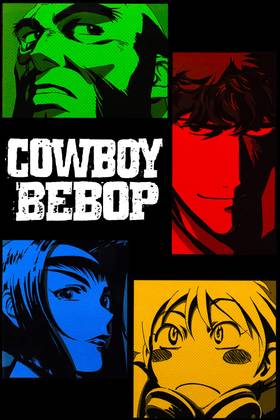
- Created by
- Hajime Yatate
- First Film
- Cowboy Bebop: The Movie