
‘It will take years to help people deal with the invisible consequences of war’: A UN Resident Coordinator blog | UN News
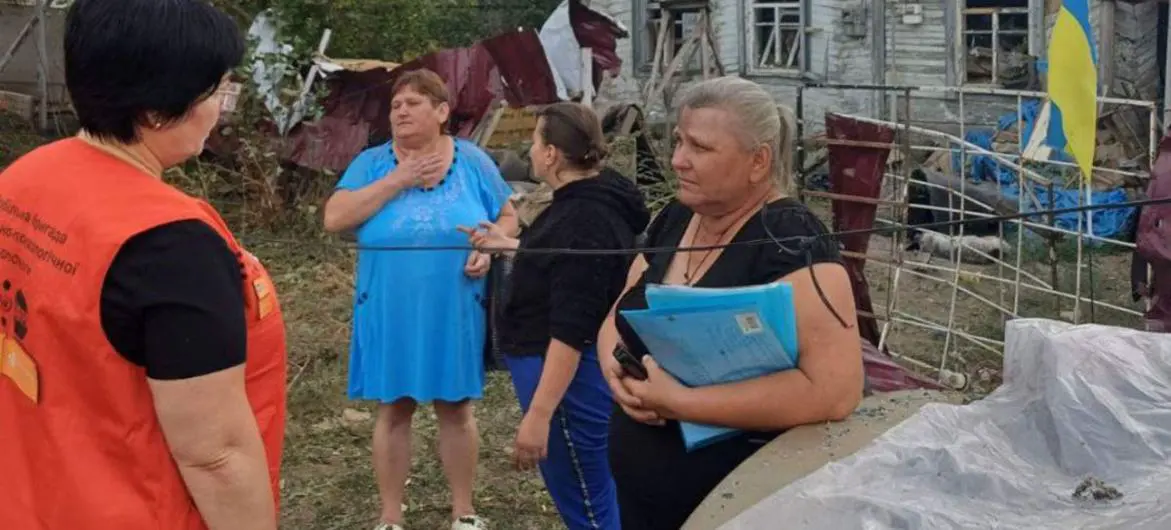
Since he began his mandate as UN Resident and Humanitarian Coordinator in Ukraine, Matthias Schmale has seen for himself the devastating effects of the Russian invasion. In this account, written exclusively for UN News, Mr. Schmale shares his impressions of Ukraine, and the efforts of the UN System to support its citizens.
The United Nations in Ukraine is ready to continue providing lifesaving assistance. In parallel we will continue to pursue medium- to long-term solutions that help impacted individuals and communities rebuild and reduce reliance on external aid. I can only hope that our determination to support Ukrainians for as long as they need us, gives some hope for a more dignified future.
Rebuilding the country
Needless to say, the destruction of essential services poses major challenges to the country's economy and development. Education and healthcare systems are under immense pressure, compounded by the growing mental health challenges as people face isolation, freezing homes, and the stress of the ongoing war.
The Russian Federation's systematic and deliberate targeting of Ukraine’s energy infrastructure constitutes a grave violation of international humanitarian law, inflicting foreseeable and widespread harm on civilians.
The UN Development Programme (UNDP) estimates that over 60 per cent of power generation facilities have been damaged since 2022. Now that winter has set in, it is urgent that the escalating energy crisis is addressed and that we work together to support the people of Ukraine during this critical time. Of course, restoring energy access is critical to ensuring that essential services function and that no one is left behind.
UN agencies are helping communities to remove debris and demine, repair homes, schools, and hospitals, build new social infrastructure, provide basic services and mental health and psycho-social care, and support livelihoods and employment – all of which are priority issues for the Government. The question is how to scale up the efforts, as the needs are high.
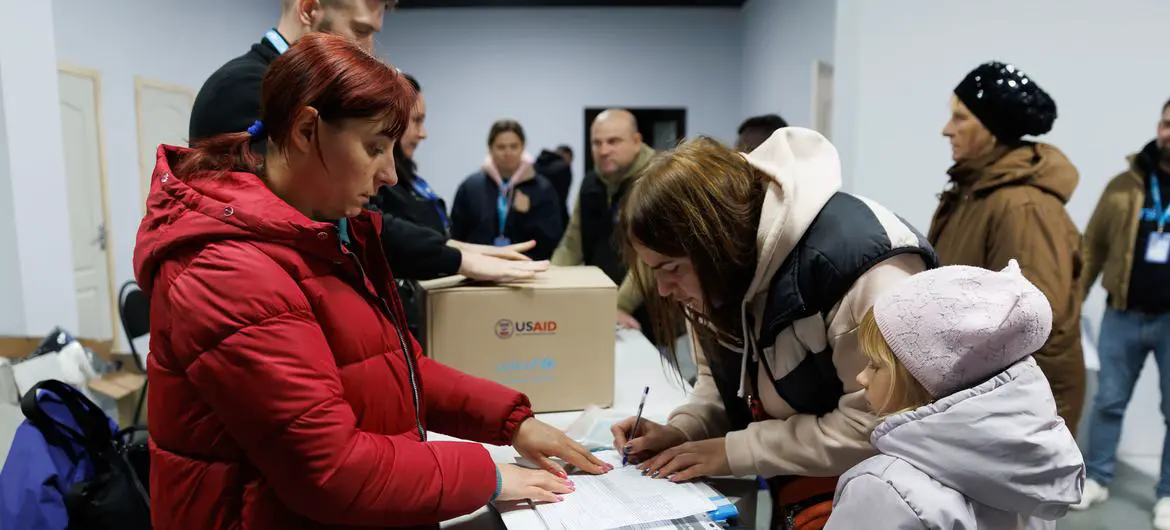
Ten million Ukrainian people have been displaced. Of these, 3.5 million people are being hosted in communities across the country. Many of them lost their livelihoods; they need homes and work and they need schools and kindergartens to take children to and hospitals.
Planning for the future of Ukraine
Humanitarian organizations have set up mechanisms for emergency response to evolving and escalating needs across the country. We have demonstrated flexibility and impact time and time again and will continue to do so.
While humanitarian assistance must continue at a sufficient scale to support the most vulnerable, recovery efforts must be pursued and scaled up to offer medium-term and more sustainable solutions for the most affected communities and populations. These require important and steady financial resources over the medium and long term allocated efficiently and transparently, and, of course, planning.
In my meetings with leaders across the regions, I have been impressed by their focus on planning for the future. They are preparing for long-term solutions while remaining flexible in addressing pressing everyday issues imposed by the ongoing war.
At the UN, we are considering various scenarios to tackle the uncertainty of the future. Of course, we must support further contingency planning and help ensure that humanitarian response continues. At the same time critical priorities like demining as a pre-condition for economic recovery, housing solutions for displaced people or addressing veterans’ needs, demand planning and a high level of coordination among UN agencies, the Ukrainian government, donors, and INGOs (International Non-Governmental Organizations).
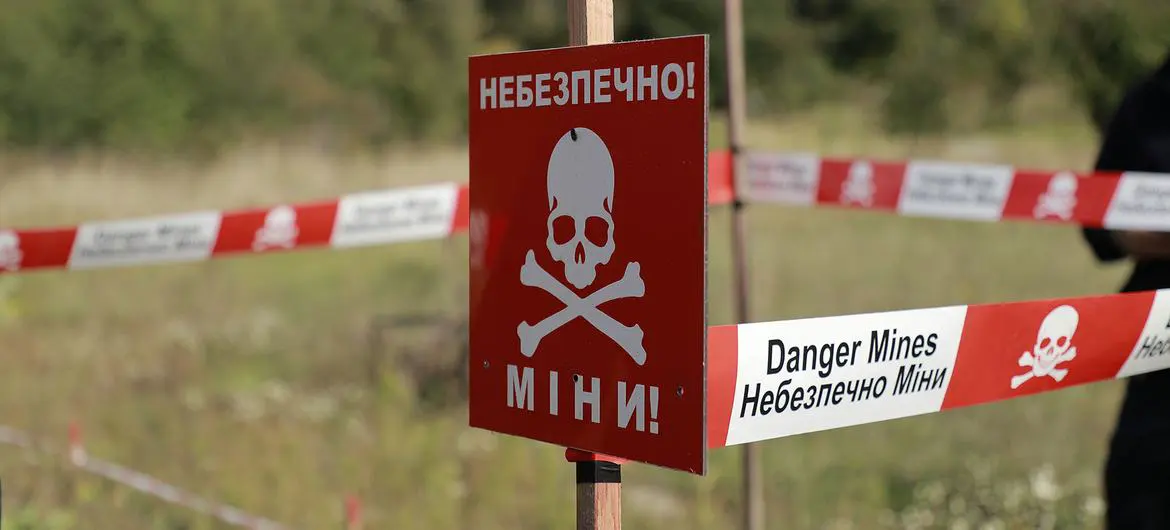
As I saw in a trip to Izium in the Kharkiv region, agriculture, which is vital for sustaining local communities, faces compounded risks due to widespread explosive remnants of war.
Farmers plant their fields to support their families, fearing they will drive over a mine or unexploded ordnances. It is very compelling to see the government, NGOs and the UN – in this case FAO and WFP – working together to combine humanitarian mine clearance of agricultural land and help farmers regain their agricultural livelihood.
Another example is equipping water wells in Mykolaiv Region with solar energy driven pumps that decrease dependency on the grid and are a precursor for green recovery. And I have seen classrooms built in underground metro stations to keep education going and balance the challenges of online education. All these are wonderful examples that we need to scale up with whatever resources are available.”

