Jaw Reconstruction Enhanced by CAD/CAM Technology, Reports Plastic and Reconstructive Surgery
Jaw Reconstruction Enhanced by CAD/CAM Technology, Reports Plastic and Reconstructive Surgery
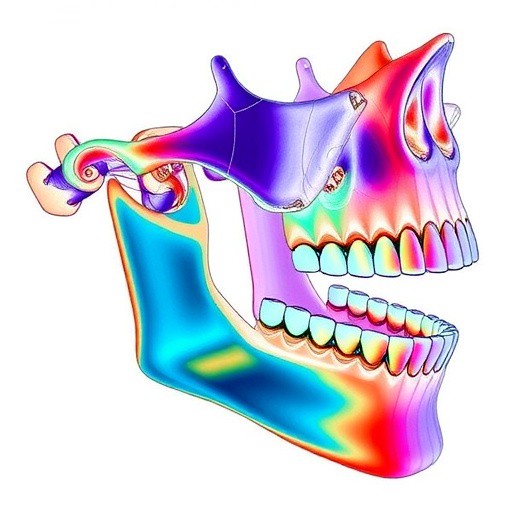
In recent years, computer-aided design and manufacturing (CAD/CAM) has emerged as a transformative technology in the field of reconstructive surgery, particularly for patients undergoing complex jaw reconstruction following head and neck cancer surgery. A groundbreaking study published in the renowned journal Plastic and Reconstructive Surgery sheds new light on how this advanced technology can significantly enhance clinical outcomes for individuals receiving free fibula flap reconstruction of the mandible. This investigation offers one of the most comprehensive comparative analyses to date between traditional surgical approaches and those augmented by CAD/CAM techniques.
Traditionally, reconstructing the lower jaw, especially after extensive oncological resections, has been a challenging endeavor. Surgeons typically rely on manual measurements and intraoperative adjustments to fashion reconstructive hardware and bone grafts, a process that is both time-consuming and prone to variability. The introduction of CAD/CAM represents a paradigm shift, permitting preoperative virtual surgical planning and the fabrication of highly accurate, patient-specific cutting guides and fixation plates through three-dimensional printing. This integration of digital technology affords unprecedented precision, streamlining the surgical workflow and potentially reducing the risk of complications.
The study in question evaluated outcomes from 215 patients who underwent free fibula flap mandibular reconstruction between 2012 and 2021, comparing 136 cases utilizing CAD/CAM assistance with 79 conventional procedures. These patients were primarily postoperative head and neck cancer survivors, a cohort that demands meticulous surgical planning due to the functional and aesthetic significance of mandibular restoration. The research illuminated key differences in operative efficiency and postoperative morbidity that underscore the value of CAD/CAM integration.
One of the most striking findings was the reduction in operating room time for patients treated with CAD/CAM-assisted reconstruction. On average, these surgeries were an hour shorter than those performed using traditional methods. This decrease in operative duration likely stems from the elimination of intraoperative trial-and-error hardware shaping and bone contouring. Instead, surgeons enter the procedure with precisely manufactured guides and plates that fit the patient’s unique anatomy, facilitating faster and more confident execution of complex reconstructions.
When examining immediate postoperative complications, both groups displayed comparable rates of serious events such as hemorrhage, thrombosis, and flap failure. However, a notable difference appeared in the incidence of wound dehiscence, or the reopening of surgical incisions. Patients who received CAD/CAM-assisted reconstruction experienced significantly fewer cases—7.4% compared to 16.5% in the traditional cohort. This suggests improved soft tissue management and potentially enhanced surgical precision afforded by the digital planning process.
Long-term outcomes, assessed over two to two and a half years post-surgery, revealed a particularly meaningful benefit tied to hardware management. While the majority of long-term complications did not differ dramatically between groups, the need for secondary surgeries to remove reconstructive hardware was markedly lower in the CAD/CAM cohort. Statistical adjustment for confounding factors indicated that CAD/CAM patients were 60% less likely to require hardware removal, highlighting a durable and stable reconstruction.
The underlying mechanism for this reduction in hardware-related interventions may be multifactorial. CAD/CAM enables surgeons to position fixation plates and screws accurately, minimizing stress points and optimizing biomechanical alignment. Furthermore, the precise osteotomies guided by bespoke cutting guides promote superior bone union, creating a more robust structural foundation that reduces hardware loosening, exposure, or infection risks. This synergy between precise fabrication and anatomical fidelity is a testament to the potential of integrating engineering principles within surgical practice.
Despite these clinical advantages, the study acknowledged the increased initial cost associated with CAD/CAM utilization. The authors emphasized the necessity for future research to perform comprehensive cost-effectiveness analyses, weighing the upfront technological investment against extended benefits such as fewer complications, reduced operative times, and diminished need for revision surgeries. Understanding this balance will play a crucial role in driving adoption and reimbursement policies across healthcare systems.
This research also underscores the rapidly evolving role of virtual surgical planning in reconstructive surgery. Virtual models allow surgeons to visualize complex defects in three dimensions, simulate various reconstructive scenarios, and collaborate with biomedical engineers to optimize outcomes before the first incision is made. The precision and personalization inherent in this approach resonate with the broader movement toward patient-specific treatments in medicine, promising to elevate both functional and aesthetic reconstruction paradigms.
Moreover, the study’s findings contribute empirical evidence to a growing body of literature supporting CAD/CAM technologies in craniofacial reconstruction. While previous reports have highlighted improvements in surgical accuracy and bone healing, this work advances the field by correlating these technical enhancements with tangible clinical outcomes over the long term. It represents a meaningful step toward establishing new standards of care that leverage digital innovation for complex reconstructive challenges.
Looking ahead, the continuous refinement of CAD/CAM systems, including advancements in biomaterials and 3D printing techniques, could further enhance the versatility and accessibility of this technology. Coupled with improvements in imaging modalities and software algorithms, these developments may soon allow for even more seamless integration into routine clinical workflows. Surgeons, patients, and healthcare providers alike stand to benefit from these innovations, which promise safer, faster, and more reliable reconstructive outcomes.
In conclusion, the adoption of computer-aided design and manufacturing in free fibula flap mandibular reconstruction represents a major breakthrough with demonstrable benefits. From reduced operative times and fewer wound complications to a substantial decrease in hardware removal surgeries, CAD/CAM techniques offer significant improvements over conventional methods. As this technology becomes increasingly sophisticated and economically viable, it is poised to become the new gold standard, revolutionizing how surgeons approach one of the most intricate and impactful procedures in head and neck reconstruction.
Subject of Research: Computer-Aided Design and Manufacturing (CAD/CAM) in Free Fibula Flap Mandibular Reconstruction
Article Title: Computer-Aided Design and Manufacturing in Free Fibula Reconstruction of the Mandible: Comparison of Long-Term Outcomes
News Publication Date: April 29, 2025
Web References:
https://journals.lww.com/plasreconsurg/fulltext/2025/05000/computer_aided_design_and_manufacturing_in_free.25.aspx
Keywords:
Mandible, Reconstructive surgery, Cosmetic surgery, Free fibula flap, Computer-aided design, Surgical planning, Head and neck cancer, Bone grafting, 3D printing, Virtual surgical planning, Hardware removal, Craniofacial reconstruction
Exploring Challenges, Innovations, and Future Directions in Dengue Vaccine Development: Insights from a Pediatric Investigation Review
Next PostDoctors Group Hails NIH’s Shift to Human-Based Research as Major Victory for Animal Welfare
Related Posts

Emerging Challenge in Prostate Screening: Insight from Primary Care Physicians
Uncovering the Key Interactions Behind Cell Migration in Brain Cancer
Developmental Biologist Maria Jasin Awarded 2025 Pearl Meister Greengard Prize
Harnessing Deep Learning to Revolutionize Precision Cancer Therapy
AI Matches Dermatologists in Accuracy of Skin Cancer Assessments