
Lebanon: Final repatriation flight brings Brazilians home amid ceasefire | UN News
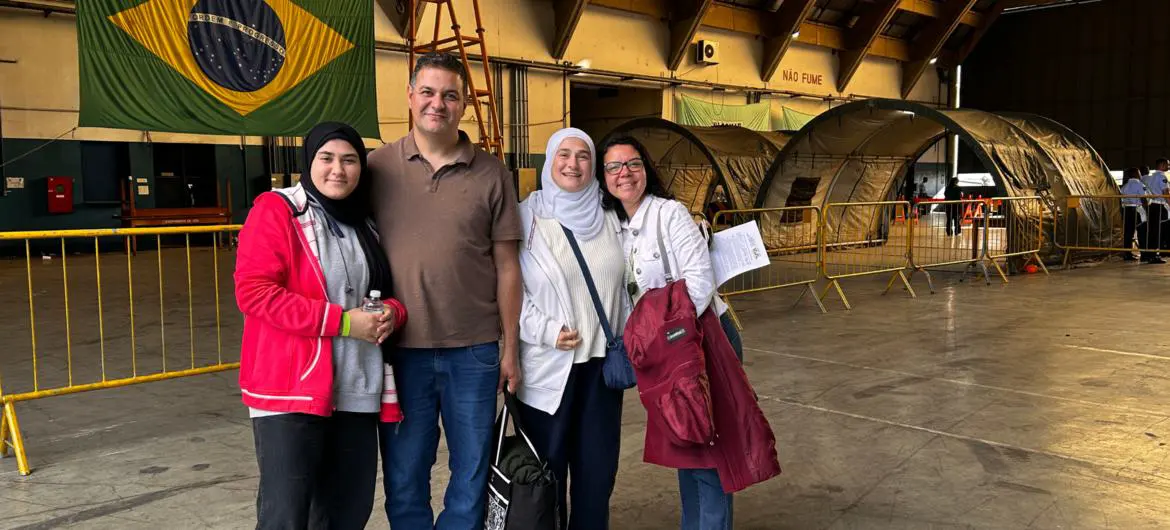
The final repatriation flight for Brazilians escaping the conflict in Lebanon touched down at São Paulo’s Guarulhos Air Base early Wednesday, as a ceasefire between Israel and Hezbollah took hold.
Supportive networks and partnerships
Multiple stakeholders have been involved in the operation, including UN agencies, Brazilian ministries, and civil society organizations.
The International Organization for Migration (IOM) conducted interviews to assess protection needs, assisted with documentation, and provided logistical support. UNHCR contributed with translation services and facilitated family reunifications.
Thaís Senra, project coordinator at IOM, emphasized the agency’s ongoing role in ensuring smooth integration for returnees.
“We provide continuous logistical support, including accommodation, travel arrangements, and data management, ensuring a smooth reception in the country and later facilitating measures for inclusion in Brazilian society,” she said.
The comprehensive nature of the operation also reflects Brazil’s broader commitment to inclusion and social protection, according to Cinthia Miranda, general coordinator of emergencies in Brazil’s Unified Social Assistance System, or SUAS.
“The Brazilian government has one of the most progressive laws in the world when it comes to welcoming migrants,” she said.
“We believe in fighting poverty and vulnerability, and we pride ourselves on being a model country for the world in guaranteeing rights. Through this operation, we aim to showcase Brazil’s humanitarian and welcoming spirit”, she added.
A Lebanon “without the sounds of warplanes”
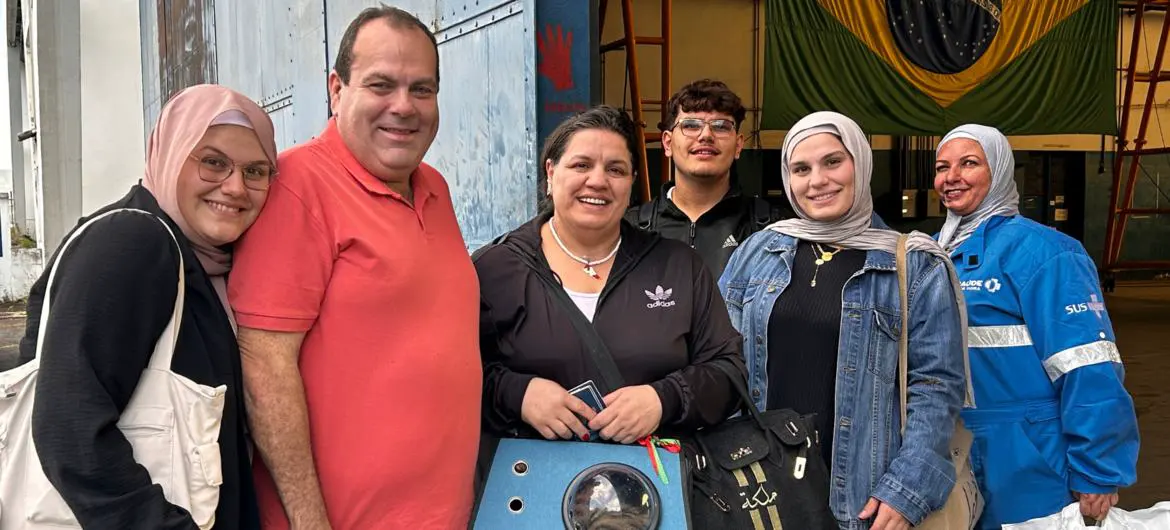
The flight marked a turning point for individuals like Nura Yassine, a Brazilian who had spent 16 years in Lebanon. Reflecting on her experience, she described the war as a source of constant fear and distress.
“The war generated a lot of fear and negative thoughts,” she said. “I’m relieved to be in Brazil and hope to return one day to a Lebanon without the sounds of warplanes.”
As the largest repatriation initiative of Brazilians from a conflict zone, Operation Cedar Roots underscores the importance of international cooperation in addressing humanitarian crises.
Ms. Miranda highlighted that the initiative involved “many hands,” including various ministries, UN agencies, and civil society organizations, and, in particular, the Arab-Lebanese diaspora.

