Microglia Orchestrate White Matter Aging via T Cells
Microglia Orchestrate White Matter Aging via T Cells
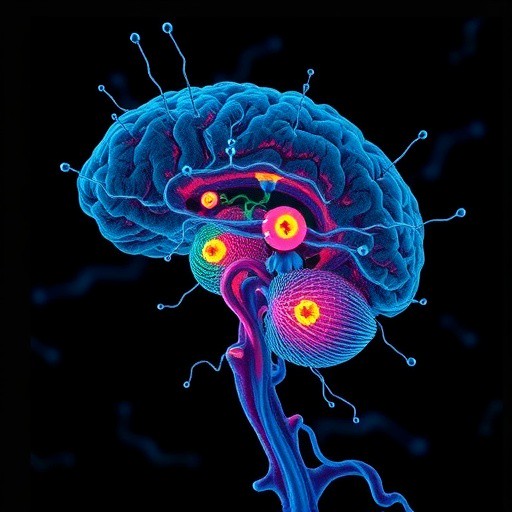
A Silent Orchestra: How Microglia Orchestrate White Matter Decline via T Cell Recruitment in Aging Brains
As the human brain ages, one of the most debilitating changes is the progressive deterioration of white matter, the vast network of myelinated nerve fibers that ensures rapid communication between neurons. The decline in white matter integrity has been linked not only to cognitive impairments but also to a heightened risk of neurodegenerative diseases. While this phenomenon has been observed for decades, the molecular and cellular conductors directing this degeneration remained elusive—until now. Groundbreaking research by Monteiro and Miron uncovers a sophisticated immunological interplay within the central nervous system (CNS) where microglia, the brain’s resident immune cells, act as maestros orchestrating the recruitment of T cells and thereby shaping the symphony of white matter deterioration during aging.
Microglia have long been recognized for their dual roles in maintaining homeostasis and responding to injury or disease in the CNS. These glial cells continuously survey the environment, clearing debris and dead cells, shaping synapses, and secreting signaling molecules that influence neuronal function. Upon aging, however, microglia undergo a transformation into a state often described as “primed” or “dysfunctional,” characterized by altered gene expression profiles and heightened inflammatory activity. Monteiro and Miron’s work sheds new light on how these aging microglia assume a central role in instigating and propagating white matter damage, not merely through autonomous activation but by actively recruiting peripheral immune cells into the brain.
At the heart of their findings is the identification of specific signaling pathways whereby aged microglia initiate chemokine and cytokine cascades that create a beacon for circulating T cells. Unlike the historically accepted view of the CNS as an immune-privileged sanctuary with limited interaction between CNS-resident immune cells and peripheral immune populations, this research demonstrates a nuanced breach
Flower Strips with Ox-Eye Daisy, Bellis, and Yarrow Boost Natural Pest Enemies by 70%
Next PostClimate Change Impacts Polygonatum kingianum Cultivation in China
Related Posts

GLP-1 Drugs Demonstrated as Cost-Effective Treatment for Knee Osteoarthritis and Obesity
Exploring Acthar® Gel’s Broader Immunomodulatory Benefits
Transforming Geriatric Care: Resuscitation and Goals Explored
Survey Reveals Voting Trends Among Disabled Healthcare Workers
Integrating Movement in Eating Disorder Recovery