Nigeria begins national trials for GM maize

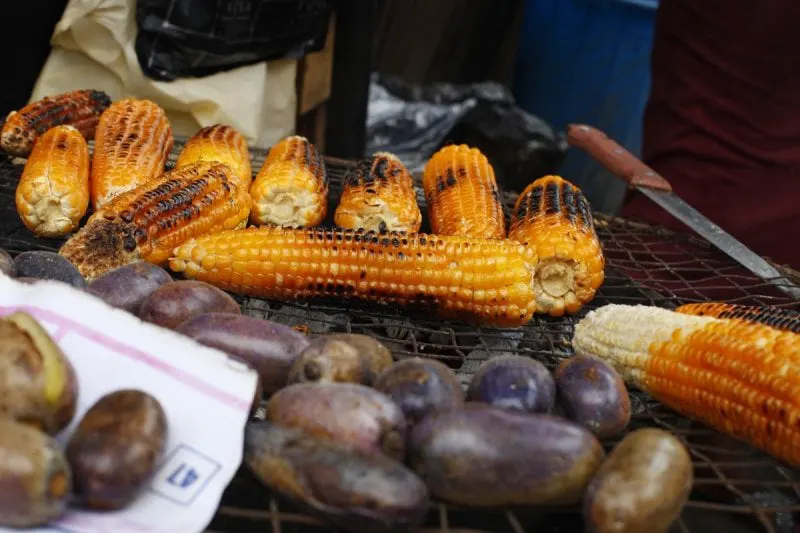
It is anticipated that TELA maize will help smallholders in Africa spend less money on insecticides and minimize their exposure to the chemicals, while benefiting from higher yields and better grain quality. The seeds are available royalty-free to farmers.
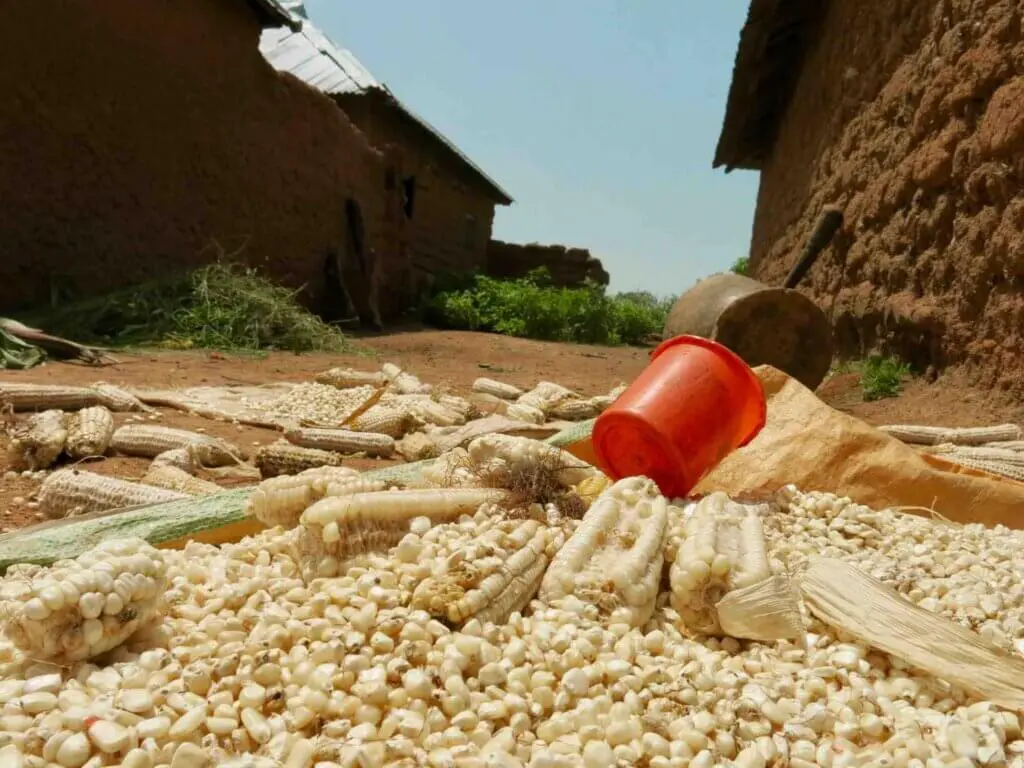
The successful conclusion of the NPTs will pave way for further evaluation by the National Varieties Release Committee before the seeds are made commercially available for farmers to plant in the 2023 season.
Nigeria’s NPTs will involve 180 randomly selected farmers drawn from various agro-ecologies in 10 states across the country. The trials aim to demonstrate the efficacy of the technology and show the adaptability of the variety, as well as generate data that will facilitate the crop’s approval.
This development follows the successful completion of confined field trials (CFT). Though Nigeria has approved GM cotton and cowpea, TELA is the first GM maize variety to move toward adoption.
The name TELA is derived from the Latin word tutela, which means “protection.” The variety offers resistance to the destructive fall armyworm and stem borer pests and can also tolerate moderate drought. The Nigerian variety of TELA maize was developed by researchers at the Institute for Agricultural Research (IAR) at Ahmadu Bello University.
Fall armyworm, stem borers and drought form a lethal triple threat to maize productivity in Nigeria, reports the African Agricultural Technology Foundation (AATF), which is coordinating the TELA project. Presently, the nation faces a shortfall of 4 million tons. According to state media, Nigeria’s annual maize production averages 11 million metric tons against local consumption demand of 15 million metric tons.
Prof. Rabiu Adamu, principal investigator for TELA maize in Nigeria, expressed optimism in the maize variety’s ability to alleviate the production deficits if widely adopted in the country.
“The trials so far have shown promising results and we are confident that if the crop is released, it will go a long way in addressing the nation’s deficiency in maize production,” Adamu said.
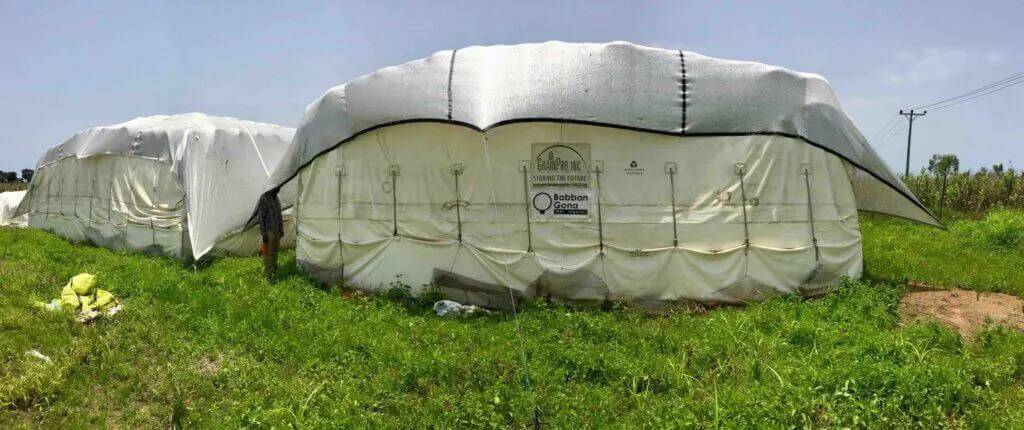
His comment echoes the sentiments expressed earlier by Prof. Abdullahi Mustapha, director general of the National Biotechnology Development Agency (NABDA), who stated that Nigeria’s adoption of TELA maize would boost the country’s maize production and enhance self-sufficiency.
“When we adopt this TELA maize, it means Nigeria will be self-sufficient in maize production, which will also improve the economy of the country,” Mustapha was quoted as saying by the Voice of Nigeria.
Nigeria enjoys a modern regulatory environment and political goodwill, which has facilitated the review process for TELA maize in a process that has been evidence-based, guided by the law and timely.

“Nigeria’s biotech policy and regulatory landscape is favorable, and thus key in advancing crop biotech development in the country,” stated Dr Sylvester Oikeh, the AATF TELA maize project manager.
The TELA maize project is a public-private philanthropic collaboration that brings together AATF, Bayer, the International Maize and Wheat Improvement Center (CIMMYT) and the national agricultural research systems of seven countries, including Ethiopia, Kenya, Mozambique, Nigeria, South Africa, Tanzania and Uganda. Successful trials have been conducted in Mozambique, Uganda, Tanzania and Kenya. Farmers are already growing TELA maize in South Africa.
Dr. Joseph Maina is a Senior Lecturer in the Department of Earth and Environmental Sciences at Macquarie University. Joseph’s ultimate goals are to understand and predict the impacts of environmental variability and change on social and ecological systems at local and global scales to support spatial planning & management.
A version of this article was originally posted at the Cornell Alliance for Science and is reposted here with permission. The Cornell Alliance for Science can be found on Twitter @ScienceAlly

 | Videos | More... |

Video: Nuclear energy will destroy us? Global warming is an existential threat? Chemicals are massacring bees? Donate to the Green Industrial Complex!
 | Bees & Pollinators | More... |

GLP podcast: Science journalism is a mess. Here’s how to fix it

Mosquito massacre: Can we safely tackle malaria with a CRISPR gene drive?

Are we facing an ‘Insect Apocalypse’ caused by ‘intensive, industrial’ farming and agricultural chemicals? The media say yes; Science says ‘no’
 | Infographics | More... |

Infographic: Global regulatory and health research agencies on whether glyphosate causes cancer
 | GMO FAQs | More... |

Why is there controversy over GMO foods but not GMO drugs?

How are GMOs labeled around the world?

How does genetic engineering differ from conventional breeding?
 | GLP Profiles | More... |

Alex Jones: Right-wing conspiracy theorist stokes fear of GMOs, pesticides to sell ‘health supplements’

 Viewpoint — Fact checking MAHA mythmakers: How wellness influencers and RFK, Jr. undermine American science and health
 Viewpoint: Video — Big Solar is gobbling up productive agricultural land and hurting farmers yet providing little energy or sustainabilty gains
 Fighting deforestation with CO2: Biotechnology breakthrough creates sustainable palm oil alternative for cosmetics
 Trust issues: What happens when therapists use ChatGPT?
 California, Washington, Oregon forge immunization alliance to safeguard vaccine access against federal undermining
 30-year-old tomato line shows genetic resistance to devastating virus
 The free-range chicken dilemma: Better for birds, but with substantial costs
 ‘You have to treat the brain first’: Rethinking chronic pain with Sanjay Gupta