
‘No nonsense’ Climate Ambition Summit: What you need to know | UN News
The race to protect the planet is about to accelerate, as world leaders, business giants, and experts gather to attend the Climate Ambition Summit on Wednesday.
“The era of global warming has ended; the era of global boiling has arrived,” UN Secretary-General António Guterres has said. “The air is unbreathable, the heat is unbearable, and the level of fossil fuel profits and climate inaction is unacceptable. Leaders must lead. No more hesitancy. No more excuses. No more waiting for others to move first. There is simply no more time for that.”
2. ‘No nonsense summit’
When the UN chief announced the global event last December, he said he expected “a no-nonsense summit”, with no exceptions and no compromises.
“There will be no room for back-sliders, greenwashers, blame-shifters, or repackaging of announcements from previous years,” he said.
A growing legion of nations, influencers, and leaders are stepping up. Since 2015, the number of countries with national disaster risk reduction strategies has more than doubled. Many have joined such initiatives as the Secretary-General’s Climate Action Acceleration Agenda.
Launched earlier this year, the agenda sets out the tasks needed in 2023 from government, business, and finance leaders to prevent crossing dangerous climate thresholds and to deliver justice for those on the frontlines. This includes calling on countries to “speed their efforts”, commit to no new coal, and phase out its use, and get to get to the cleanest finish line: net-zero emissions, he said.
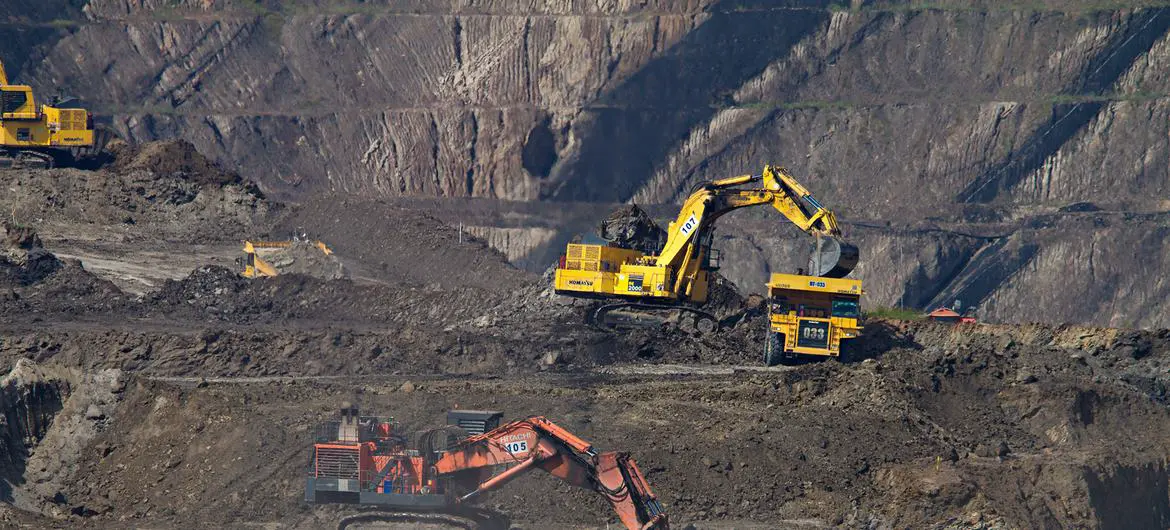
“Net zero” is the term which describes achieving the balance between carbon emitted into the atmosphere and the carbon removed from it.
The science shows clearly that in order to avert the worst impacts of climate change and preserve a liveable planet, the global temperature increase needs to be limited to 1.5°C above pre-industrial levels.
3. Cleaner ambitions
Government leaders, especially major emitters, are expected to deliver report cards.
They will report on where the stand on honouring their commitments to such landmark treaties as the Paris Agreement on climate change.
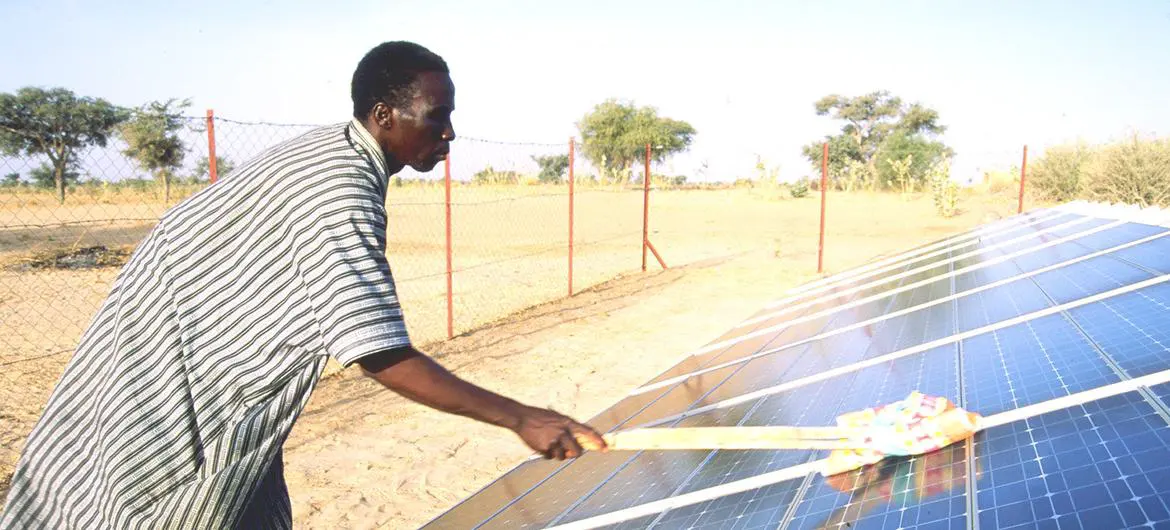
In addition, action plans, also called nationally determined contributions (NDCs), are expected. These will include net-zero targets to pledges towards the Green Climate Fund, which supports developing countries to raise and realize their action plans for lowering emissions and building resilience.
All main emitters, and notably all G20 governments, will be asked to commit to presenting, by 2025, more ambitious economy-wide nationally determined contributions featuring absolute emissions cuts and covering all gases.
4. Goodbye greenwashing
Leaders of businesses, cities, regions, and financial institutions will be expected to present transition plans aligned with the UN-backed credibility standards as presented in the UN-commissioned Integrity Matters report.
This standard for voluntary net-zero pledges is the only such benchmark that is fully aligned with limiting global heating to 1.5°C.
The report calls for, among other things, strategies to stop and phase out fossil fuels, emissions cuts, and a commitment to publicly advocate for science-based climate action.
5. Climate justice now!
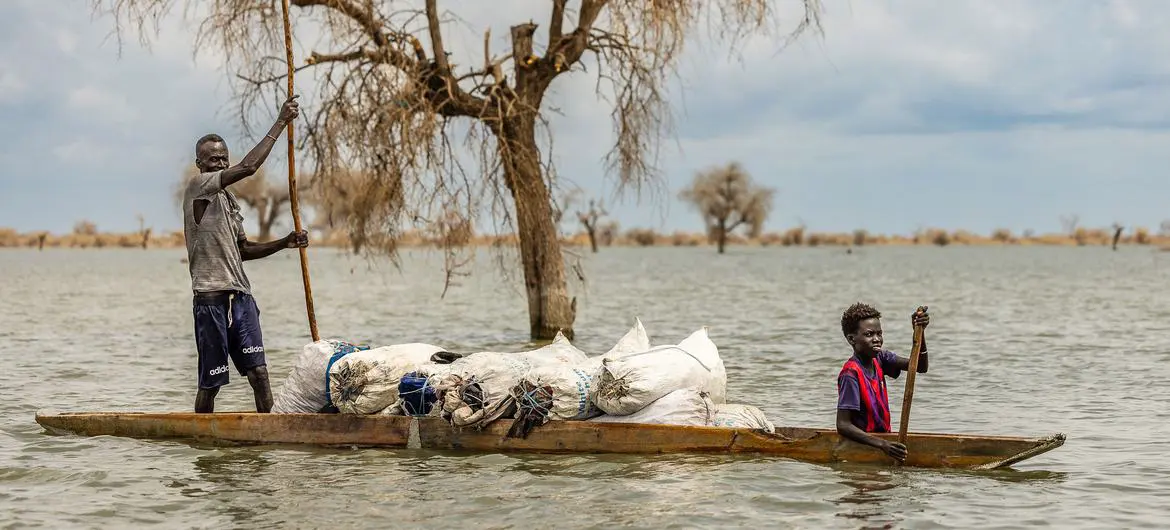
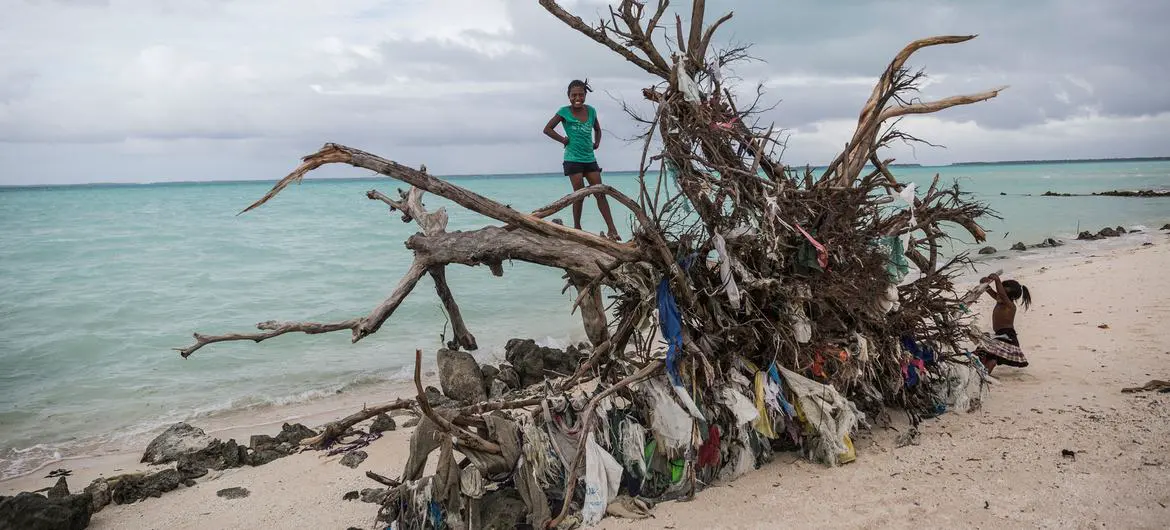
The goal is achieving climate justice. That means considering the world’s tiniest polluters that bear the ever more dangerous burden of the biggest emitters, particularly the G20 countries.
Summit participants will address challenges and opportunities related to accelerating the decarbonization of high-emitting sectors, including energy, shipping, aviation, steel, and cement industries.
They are expected to unveil actions to mete out climate justice.
A glimpse of what that looks like on the ground includes protecting more people from climate disasters by 2027, and doubling adaptation finance by 2025.
It will also include discussions on operationalizing the Loss and Damage Fund. The first of its kind financing arrangement to help vulnerable nations, the Fund was the crowning outcome at the latest Conference of Parties to the UN Climate Change Convention, commonly called COP 27.
Why is 1.5°C important?
The Paris Agreement commits countries to limit the global average temperature rise to well below 2°C above pre-industrial levels, and aim to limit the increase “even further” to 1.5°C.
According to the UN’s Intergovernmental Panel on Climate Change (IPCC), the difference between 1.5°C and 2°C is:
- the difference between 70 per cent or 99 per cent of coral reefs dying
- double the likelihood that insects that are vital pollinators lose half their habitat
- ice-less summers in the Arctic Ocean, once per century or once per decade
- 1 metre added in sea level rise
- 6 million or 16 million affected by sea level rise in coastal areas by the end of the 21st century

