Revolutionary Advancement in Wood-Frame Shear Wall Performance Achieved with Innovative Wooden Nails
Revolutionary Advancement in Wood-Frame Shear Wall Performance Achieved with Innovative Wooden Nails
Innovative Study Explores Breakthrough in Wooden Nail Connections for Timber Structures
In recent years, there has been a growing trend in modern architecture that emphasizes the use of timber in structural design. The appeal of timber is not merely aesthetic; it also revolves around sustainability and energy efficiency. However, architects and engineers face significant challenges when it comes to ensuring the durability of these structures. Conventional metal connectors, commonly used in timber construction, are prone to corrosion, which can compromise the integrity and longevity of buildings. In response to this pressing concern, research emerging from Nanjing Forestry University highlights a remarkable breakthrough: the use of wooden nails as sustainable and durable connectors in timber constructions.
The groundbreaking study, which has garnered interest in academic and professional circles alike, was conducted to scientifically investigate the lateral resistance performance of wood-frame shear walls utilizing wooden nail connections. The implications of this research extend far beyond mere theoretical knowledge, presenting practical solutions that could redefine how we approach timber construction in the future. By focusing on the performance characteristics of wooden nails, this research aims to address the environmental concerns surrounding traditional metal fasteners while enhancing the overall durability of timber structures.
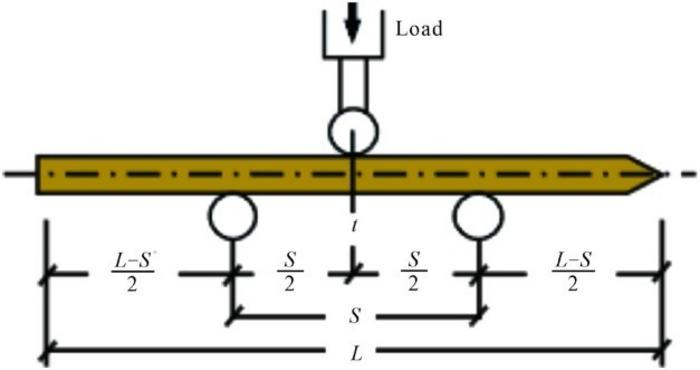
In order to validate their hypotheses, the research team conducted extensive monotonic loading tests. These tests evaluated 64 nail joints distributed across eight distinct groups, each representing variables such as the type of sheathing panel utilized—either oriented strand board (OSB) or structural plywood (SP)—as well as the thickness, diameter of nails, spacing, and cap configuration. The resultant data was revelatory; wooden nails demonstrated a significant enhancement in shear-bearing capacity and stiffness of the connections, effectively showcasing the potential of a naturally-sourced fastening option.
Research findings revealed that joints constructed with structural plywood sheathing panels outperformed those utilizing OSB, particularly in terms of shear capacity. This distinction underscores the importance of selecting appropriate materials in timber construction, as the choice of sheathing panel can significantly alter the structural performance of a building. Additionally, modifications in nail diameter and spacing emerged as critical factors; increasing the diameter of the nails and minimizing spacing between each joint effectively heightened both the load-bearing capacity and overall stiffness.
To further solidify their results, the researchers employed advanced finite element simulations using OpenSees software. This computational approach allowed them to gain deeper insights into the lateral resistance capabilities of full-scale wood-frame shear walls. The simulations confirmed that the configuration of sheathing panels, including their material and thickness, plays a pivotal role in influencing the structural performance of timber frameworks. Fascinatingly, the study found that double-sided sheathing with OSB yielded the highest values for shear strength and energy dissipation capacity, demonstrating a clear advantage in specific configurations.
This research has significant ramifications for the construction industry; it introduces a sustainable alternative that challenges the longstanding reliance on metal fasteners. By doing so, the study not only tackles pressing environmental issues but also opens doors to new methodologies in the design and construction of timber structures. The adoption of wooden nails stands to ensure a more eco-friendly approach to construction without compromising structural performance, thereby catering to the escalating demand for sustainable building methods.
Architects and engineers seeking to enhance the longevity and resilience of timber buildings will find the insights gleaned from this study invaluable. The potential to utilize wooden nails in place of traditional metal connectors could ultimately lead to a new era of construction practices focused on sustainability, durability, and balancing architectural elegance with ecological responsibility. The adaptability of wooden nails also beckons further investigation into their broader applications across various types of timber structures.
As the construction industry gradually shifts towards environmentally friendly alternatives, the development of wooden nail connections aligns with a larger movement advocating for sustainable practices in architecture and civil engineering. By integrating solutions that harness natural materials, like wood, these innovations can lead to significant reductions in carbon footprints, addressing a pressing global concern.
In essence, this study stands as a testament to the power of innovative thinking and research in the field of material science and engineering. It illustrates how addressing existing challenges with creative solutions can forge new paths in construction practices. With the publication of these findings in the Journal of Bioresources and Bioproducts, the academic community is invited to further explore and potentially adopt this groundbreaking methodology.
In conclusion, as the structural integrity of timber constructions gains renewed focus in contemporary architecture, the advancement of wooden nail connections exemplifies how research can pave the way for sustainable solutions. These findings undoubtedly prompt further dialogue in engineering circles regarding the future of timber construction, and the myriad ways in which we can innovate to create resilient and environmentally-conscious structures.
To explore more on this innovative approach to timber connections and its implications for future architecture and engineering, one can access the full research article for an in-depth understanding of the experimental methods, findings, and recommendations for practitioners in the field.
Subject of Research: Performance of Wooden Nail Connections in Timber Structures
Article Title: Lateral Resistance Performance of Wood-Frame Shear Walls with Wooden Nail Connections: Experimental and Finite Element Analysis
News Publication Date: 13-May-2025
Web References: DOI Link
References: None Provided
Image Credits: College of Material Science and Engineering, Nanjing Forestry University, Nanjing 210037, China
Keywords
Scientists Detect Elevated Mercury Levels in Colorado Mountain Wetlands
Next PostRare Genetic Variants in Complement Pathway Linked to Preeclampsia
Related Posts

When Wireless Data Sources Deplete: Implications for Connectivity
NJIT Student-Faculty Team Recognized with Best Presentation Award for Innovative Ant Swarm Simulation
Revealing the Ingenious Architecture of Honeybees: New Study Uncovers How Bees Build Hives in Challenging Locations
UC3M Conducts Research to Safeguard Astronauts’ Cardiovascular and Ocular Health
Advanced Multi-Energy X-Ray Imaging Using In-Situ Grown Multi-Layer Scintillators