Seabed Engineers: The Vital Role of Chip-Shop Fish in Marine Ecosystems
Seabed Engineers: The Vital Role of Chip-Shop Fish in Marine Ecosystems
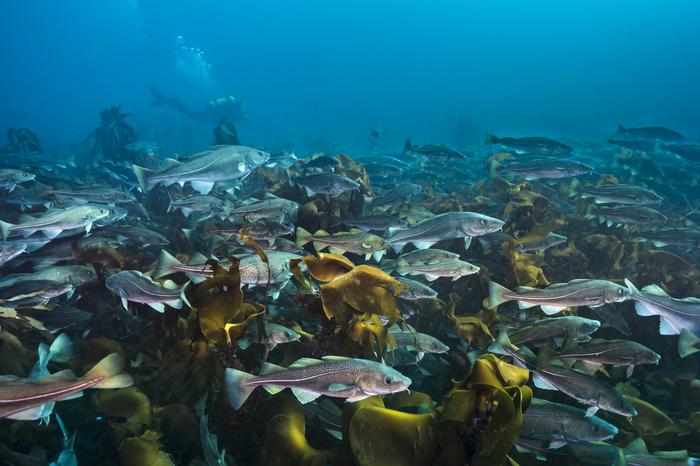
New research has unveiled the critical, yet previously overlooked, role that many fish species play in shaping our ocean seabeds and thereby influencing the global climate system. Fish are not merely inhabitants of the ocean, but active engineers of the marine sediment environment through a process known as bioturbation — the stirring, churning, and reworking of sediments. This biological activity significantly impacts how organic carbon is buried and stored in ocean floors, with profound implications for the ocean’s capacity to sequester greenhouse gases and mitigate climate change.
Scientists from the Convex Seascape Survey embarked on a comprehensive assessment of fish living on the shallow continental shelves of the United Kingdom. The study focused specifically on quantifying the role of fish in bioturbation – a function historically attributed mainly to invertebrates. By analyzing the behavior, size, and sediment interaction of 185 fish species, researchers developed a novel bioturbation impact score that sheds light on the ecosystem engineering contributions of these vertebrates.
Among the most influential species identified were the Atlantic cod, European eel, and Atlantic hagfish. These fish act through different bioturbation modes, including vertical excavation, burrowing, and sediment sifting. Their sediment reworking affects the biological, chemical, and physical properties of the sediment, altering oxygen penetration and organic matter distribution. This, in turn, regulates the long-term burial of organic carbon, a crucial mechanism for locking atmospheric CO2 out of the climate system.
The Atlantic cod, a species deeply integrated into commercial fisheries and cultural food traditions, emerged at the top of the bioturbation scale. As a vertical excavator, the cod disturbs sediments to a significant depth, enhancing sediment turnover. However, populations of cod have been seriously depleted due to intense fishing pressure, especially in the North Sea and West Atlantic. The loss of such effective bioturbators may cause major shifts in sediment ecosystem functioning, threatening the ocean’s carbon sequestration ability.
Equally vulnerable is the European eel, a critically endangered species that burrows extensively within seabeds. Despite decreasing populations caused by overfishing, habitat degradation, climate change, and disease, the eel’s burrowing activity substantially influences sediment structure and organic matter distribution. This highlights the paradox that the fish most impactful for sediment processes are often the very species most at risk of extinction.
Large benthic predators like the common skate also perform crucial substrate modification by lateral excavation behaviors. Once abundant and targeted by fisheries, the drastic reduction in skate populations due to overfishing and bycatch has compromised their ecological role. Considering their slow growth rates and low reproductive output, skates are particularly susceptible to declines that ripple through ecosystem functions, emphasizing the foundations built by megafaunal bioturbators.
The study also illustrated the diversity of bioturbation strategies used by fish, from nest building to sediment sifting, each affecting sediment dynamics differently. Species such as black seabream and red gurnard, although less prominent bioturbators, contribute to sediment reworking in their respective niches. Notably, many of these species face commercial exploitation without sufficient fisheries management, raising concerns about their future contributions to sediment ecosystem services.
Understanding bioturbation by fish is imperative because ocean sediments represent the largest global reservoir of organic carbon. The sedimentary processes governed by fish, coupled with microbial and invertebrate activity, mediate carbon burial rates and influence the ocean’s ability to buffer atmospheric carbon dioxide levels. This interplay is a critical piece of the climate puzzle that has been underestimated in the past due to a knowledge gap about fish-mediated sediment dynamics.
Beyond carbon cycling, bioturbation by fish supports the overall health of seabed ecosystems. By aerating sediments and recycling nutrients, these activities maintain habitat complexity and biodiversity, affecting the abundance and distribution of benthic organisms. As fish populations decline, the structural integrity and functionality of these ecosystems may deteriorate, leading to cascading ecological consequences.
The research underscores the urgent need to integrate fish roles into ecological and climate models to better predict ocean carbon dynamics. It highlights that sustainable fisheries management is more than a conservation concern—it is a climate imperative. Protecting bioturbating fish aligns with preserving ecosystem services that regulate carbon sequestration and maintain ocean health.
This landmark study is the first comprehensive attempt to quantify fish bioturbation across a broad spectrum of species on the UK continental shelf. It pioneers interdisciplinary methods that combine biology, sedimentology, and ecosystem ecology to define the vulnerability of ecosystem engineers to local extinction pressures. The findings open new frontiers for marine science, emphasizing the interconnectedness of biodiversity, ecosystem processes, and global climate systems.
Ultimately, this research casts fish in a dual role—as providers of food and as vital components of the ocean’s carbon regulatory machinery. In an era of accelerating climate change and overexploitation of marine resources, acknowledging and protecting these ecosystem engineers could prove crucial for the resilience of both marine ecosystems and the planet’s climate.
Subject of Research: Functional role of fish as bioturbators and their vulnerability to local extinction
Article Title: A functional assessment of fish as bioturbators and their vulnerability to local extinction
News Publication Date: 28-Apr-2025
Web References:
https://convexseascapesurvey.com/
http://dx.doi.org/10.1016/j.marenvres.2025.107158
References:
Published in Marine Environmental Research, DOI: 10.1016/j.marenvres.2025.107158
Image Credits: Credit: Alex Mustard
Keywords: Marine fishes, Sea floor, Endangered species, Sediment, Climate change, Organic carbon, Marine ecosystems, Overfishing, Continental shelves
Ancient Billion-Year-Old Impact in Scotland Raises New Questions About Early Land Life
Next PostGlobal Virus Network Issues Urgent Call to Combat Rising Threat of H5N1 Avian Influenza
Related Posts

How Charge Uniformity Enhances Ion Selectivity in Membranes
Scilly Isles Cameras Offer Rare Glimpse into Britain’s Untouched Marine Ecosystems
Scientists Uncover Molecular Structure and Enhanced Light Harvesting in Largest Eukaryotic Photosystem Complex
Applied Microbiology International Launches New Conservation Committee Urging Scientific Community to Embrace Microbial Preservation
Dynamic Ion Transport Theory in Electrochemical Ion Pumping