Study Reveals Aging Impairs Metabolism, Diminishing CAR-T Cell Effectiveness
Study Reveals Aging Impairs Metabolism, Diminishing CAR-T Cell Effectiveness
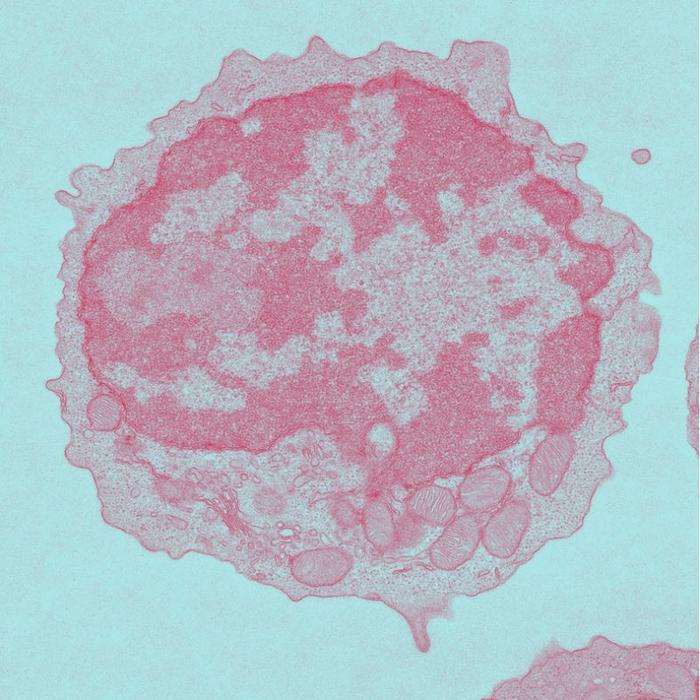
As the global population ages, the challenge of effectively treating cancer in older adults becomes increasingly urgent. Immunotherapy, particularly CAR-T cell therapy, represents one of the most promising frontiers in cancer treatment, leveraging the body’s own immune system to identify and eradicate malignant cells. However, a groundbreaking study published recently in Nature Cancer by scientists from the University of Lausanne (UNIL), Lausanne University Hospital (CHUV), Geneva University Hospitals (HUG), and the École Polytechnique Fédérale de Lausanne (EPFL) reveals a crucial bottleneck in this approach: the age-related decline in immune cell function dramatically undermines the efficacy of CAR-T therapies.
CAR-T therapy, or chimeric antigen receptor T-cell therapy, revolutionizes cancer treatment by genetically engineering a patient’s own T cells to target and destroy tumor cells with precision. While successes in hematological malignancies have been remarkable, this therapeutic strategy encounters significant obstacles in aged individuals, often the majority demographic of cancer patients. The new research elucidates that CAR-T cells derived from older mice exhibit pronounced mitochondrial dysfunction, reduced stemness characteristics, and severely diminished antitumor potency, presenting a critical barrier to therapy success in the elderly.
At the heart of these impairments lies a decline in the crucial metabolic coenzyme nicotinamide adenine dinucleotide (NAD). NAD plays a pivotal role in cellular energy metabolism, particularly within mitochondria, the cellular organelles responsible for bioenergetics. The study demonstrates that NAD concentrations drop markedly in T cells from older subjects, undermining mitochondrial efficiency and the metabolic fitness required for T cell activation and sustained antitumor responses. This metabolic insufficiency correlates with weakening of the cells’ stem-like properties, which are vital for persistence and long-term efficacy in CAR-T treatments.
Senior and first authors, including Dr. Helen Carrasco Hope and Dr. Nicola Vannini, emphasize that the metabolic deterioration of aged CAR-T cells is not merely a peripheral issue but a fundamental barrier that must be overcome to translate immunotherapy benefits to an aging patient population. Their insights underline how aging intrinsically reshapes immune cell metabolism and function, necessitating that age becomes a central consideration in both preclinical models and clinical trial design. This paradigm shift in designing cancer therapies has profound implications for improving treatment outcomes.
Importantly, the study offers a beacon of hope by demonstrating that the metabolic deficits of aged CAR-T cells are reversible. By employing NAD-boosting compounds—molecules currently undergoing clinical evaluation for other diseases—the researchers successfully restored NAD levels in aged CAR-T cells, reinvigorating their mitochondrial function and replenishing their stem-like qualities. This rejuvenation conferred significant enhancement in the antitumor activity of CAR-T cells derived from aged murine models, marking a pivotal advance toward improving therapeutic efficacy in older patients.
This finding opens up the prospect of combining metabolic reprogramming strategies with conventional CAR-T cell therapy. The approach of NAD restoration not only holds translational potential but also speaks to the broader theme of personalized medicine that accounts for biological age rather than chronological age alone. Metabolic interventions, by targeting cellular bioenergetics, might be used to tailor immunotherapy regimens that adapt to the unique physiological landscapes of elderly cancer patients.
The implications extend beyond CAR-T cells, highlighting a fundamental nuance in aging biology: the immune system is dynamically and detrimentally remodeled at a metabolic level with age. This remodeling compromises various arms of immunity and, by extension, the success of immunotherapies. Establishing age as a biological variable in immuno-oncology research shifts the framework of drug development, clinical trial enrollment, and therapeutic predictive modeling toward a more inclusive and realistic representation of cancer demographics.
This study also sets a precedent for the use of electron microscopy and advanced molecular profiling techniques to dissect immune cell states at high resolution, offering an unprecedented view of the intracellular changes associated with immune senescence. Such detailed cellular insights pave the way for novel biomarkers of immune aging and metabolic fitness that could inform patient stratification and adaptive treatment paradigms.
Furthermore, by targeting NAD metabolism—a pathway implicated in a variety of age-related diseases beyond cancer—this research integrates fields of immunology, oncology, and gerontology, underscoring the multifaceted nature of aging as a biological process. It encourages cross-disciplinary approaches to devise interventions that enhance immune surveillance and resilience in aging populations.
As Dr. Carrasco Hope articulates, these advancements "strengthen the growing recognition that aging fundamentally restructures immune cell function and metabolism," and the research community must heed this call to systematically incorporate age in all stages of immunotherapy development. By doing so, the promise of CAR-T therapy can be extended to a broader, more representative patient base, potentially transforming cancer care for older adults worldwide.
In conclusion, the demonstration that NAD decline underlies CAR-T cell failure in aged organisms—and that this defect can be reversed—marks a transformative moment in immunotherapy research. It challenges existing paradigms, advocates for age-conscious drug development, and opens new therapeutic avenues that could substantially improve the outlook for elderly cancer patients. This study charts a course toward next-generation immunotherapies that are not only effective but also equitable in age-related contexts, marrying cutting-edge science with urgent clinical needs.
Subject of Research: Age-related decline in nicotinamide adenine dinucleotide (NAD) levels compromises CAR-T cell therapy effectiveness.
Article Title: Age-associated nicotinamide adenine dinucleotide decline drives CAR-T cell failure
Web References:
https://doi.org/10.1038/s43018-025-00982-7
Image Credits:
Helen Hope / University of Lausanne (UNIL) (2025)
Keywords: Aging, CAR-T cell therapy, NAD decline, mitochondrial dysfunction, immunotherapy, cancer, T cell metabolism, immune senescence, metabolic rejuvenation
New Technique Quickly Measures Cell Density to Assess Health and Developmental Stage
Next PostNational Heart Centre Singapore Unveils Innovative AI Technology for Swift Prediction of Coronary Artery Disease in Nationwide Initiative
Related Posts

Moffitt Researchers Create Machine Learning Model to Forecast Urgent Care Visits in Lung Cancer Patients
New Review Advocates Age-Specific Immunotherapy Approaches for Childhood Brain Tumors
Microarray Profiling Reveals Differential Long Non-Coding RNA Expression in Peripheral Blood Mononuclear Cells of Luminal A Breast Cancer Patients
Antisense LNA GapmeR Targets hsa-piR-33195, Halts Leukemia
Bar-Ilan University and Sheba Medical Center Launch $120M Joint Institute to Drive Biotech Innovation