UT and Volkswagen Group of America Forge Research Partnership: A New Era in Innovation
UT and Volkswagen Group of America Forge Research Partnership: A New Era in Innovation
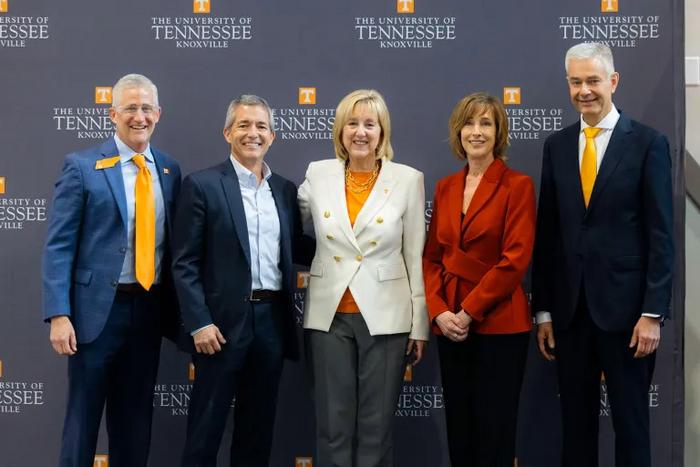
The partnership between the University of Tennessee, Knoxville (UT), the Volkswagen Group of America, and the Oak Ridge National Laboratory marks a significant milestone in the realm of automotive innovation and research collaboration. Celebrated during a recent event on April 24, this alliance has fostered a decade of groundbreaking projects that push the boundaries of technology in various essential fields affecting vehicle performance and sustainability. This partnership, which initiated in 2011, has thrived, particularly with the establishment of the Volkswagen Innovation Hub at the UT Research Park in Cherokee Farm, a facility that stands as a pioneering model in North America and among only five hubs globally.
The Volkswagen Innovation Hub was launched in January 2020 as an incubator aiming to promote synergistic collaboration among UT’s faculty and students, Oak Ridge scientists, and Volkswagen engineers. This unique partnership creates a dynamic environment conducive to innovative research and practical applications in materials science, battery performance, and mobility systems. The collaborative projects emerging from this hub aim to revolutionize the automotive industry by fostering the development of stronger and lighter materials, as well as efficient charging mechanisms—demonstrating a keen focus on sustainability in automotive production.
UT Chancellor Donde Plowman pointed out the immense value of the trust that Volkswagen has in UT’s researchers and students. This relationship is evident in the continuous growth of their collaborative research, which has been reinforced by Volkswagen’s commitment to support “big ideas” and innovative problem-solving strategies. The successful outcomes of their projects not only benefit the automotive sector but also cater to broader environmental goals, emphasizing the importance of research that focuses on sustainable practices and materials.
The formalization of the partnership came with a master research agreement in 2018, further solidifying the foundations of their collaboration. The agreement was subsequently extended in 2023, emphasizing the long-term intentions of both entities to deepen their engagement in research ventures that enhance the mobility landscape. A significant milestone has been the development of the VW PhD Fellows program, which allows doctoral candidates from UT to engage closely with Volkswagen, gaining industry experience while completing their dissertations. This program reinforces the prospects of academic-industry partnerships, enhancing the educational framework through real-world applications of research.
The practical impacts of this collaboration are evident in the cutting-edge technologies that have been developed through the Volkswagen Innovation Hub. The collaborative efforts led to the creation of a fiberglass-reinforced plastic liftgate for the Volkswagen Atlas, which reflects a remarkable 35% reduction in weight compared to traditional metal counterparts. Such innovations are crucial in the quest to produce lighter vehicles without compromising safety or functionality, and they also contribute to improved fuel efficiency—leading to considerable reductions in carbon emissions.
Additionally, UT’s partnership with Volkswagen has facilitated connections with other industry leaders, such as Eastman, a global specialty materials company. Through this collaboration, breakthroughs in carbon renewal technology have emerged, enabling the production of high-quality automotive parts from recycled materials. This advances not only the operational capabilities of Volkswagen’s manufacturing processes but also underscores a shared commitment to sustainability within the automotive industry, reducing reliance on fossil fuels while minimizing environmental impact.
During the recent celebration of their partnership, attendees explored various exhibits highlighting the accomplishments of the Volkswagen Innovation Hub. These interactive stations showcased innovative technologies, including the development of recycled composites and paper-based composites, as well as advancements in high-speed wireless charging. These exhibits were not just displays of success but embody the collaborative spirit that defines the UT and Volkswagen alliance. Experts were available to provide insights and foster discussions around the practical applications and future implications of these technologies in commercial vehicles.
Lyndon Lie, executive vice president and chief engineering officer for Volkswagen North America, articulated the importance of this partnership in bridging academia and industry. His remarks highlighted the intricacies involved in transitioning research from theoretical frameworks to production-ready technologies. Such collaborations between educational institutions, government laboratories, and corporate giants like Volkswagen are crucial in transforming research outcomes into viable products that technology consumers can embrace.
As this partnership continues to evolve, it lays the groundwork for future innovations that could further transform the automotive sector. The world is witnessing an increasing demand for sustainable mobility solutions, pushing manufacturers toward greener practices. The ongoing work at the Volkswagen Innovation Hub exemplifies a proactive approach to meeting these challenges, ensuring that the results of academic research translate into practical solutions for real-world problems.
The collective efforts of UT, Volkswagen, and Oak Ridge National Laboratory are setting new benchmarks for research collaboration within the automotive industry. As they explore innovative technologies, the potential impacts extend beyond just vehicle technologies; they ripple through supply chains, manufacturing processes, and even consumer choices as society increasingly prioritizes sustainable practices. The future looks promising for partnerships that can harness the power of academia and industry, pushing the frontiers of what’s possible in technology development.
In conclusion, the 10-year collaboration between UT and Volkswagen showcases the impact of vibrant academic-industry partnerships. It has established a framework for future initiatives dedicated to sustainable development and innovative technologies. This evolution in research dynamics reaffirms the importance of cooperation across multiple domains—envisioning a future where industry-leading innovations are not just ideas but pivotal players in redefining mobility’s role in society.
Subject of Research: Materials Science, Automotive Innovation
Article Title: Transforming Mobility: A Decade of Partnership Between UT and Volkswagen
News Publication Date: April 24, 2023
Web References: University of Tennessee
References: Volkswagen Group of America, Oak Ridge National Laboratory
Image Credits: University of Tennessee
Keywords
Computer Science Teachers May Have Superior Qualifications Compared to Their Peers
Next PostTyrosine Kinase and PD-1 Inhibitors Boost Liver Cancer Treatment
Related Posts

Boosting Laccase Production from Agro-Wastes Sustainably
Certified 10.1% Efficient Solution-Processed Kesterite Solar Module
Heat-Related Road Deaths Vary Across Latin America
OpenAI, DeepSeek, and Google Show Significant Discrepancies in Hate Speech Detection
Microscopes Now Capture Quantum Transitions in Materials Using Liquid Helium