Viewpoint: $24 billion in global savings — Here’s why the UK should break from Europe and embrace GMOs, CRISPR crops and other agricultural biotechnologies

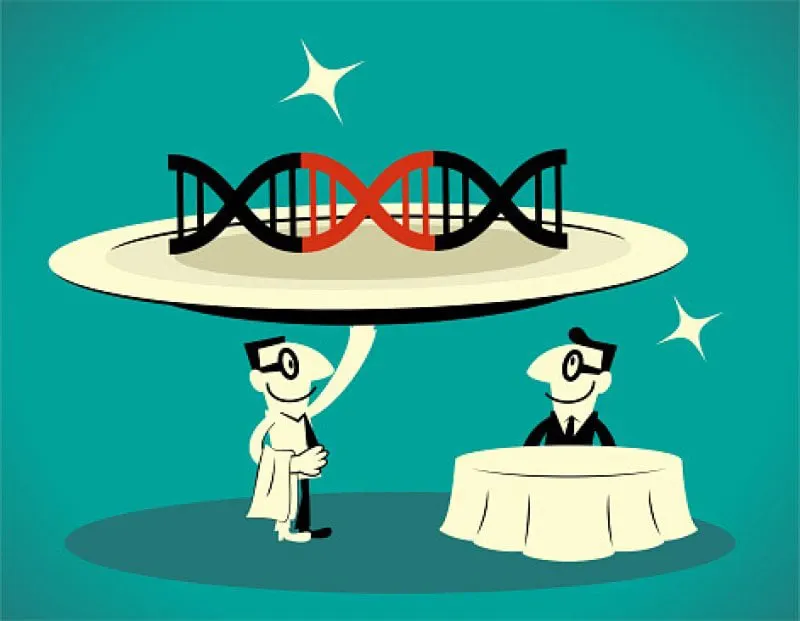
The rule changes, made possible by the UK’s departure from the EU, will mean that scientists across England will be able to undertake plant-based research and development, using genetic technologies such as gene editing, more easily.
The rules will apply to plants where gene editing is used to create new varieties similar to those which could have been produced more slowly through traditional breeding processes and will unlock research opportunities to grow crops which are more nutritious, and which require less pesticide use.
This is a tremendous step in the right direction for a country that has denied farmers the benefits of crop biotechnology for decades. Conspicuously missing from DEFRA’s announcement, though, was any reference to transgenic crops, the wrongly maligned “GMOs” we’re all familiar with. [1] While transgenic technology could benefit UK farmers and consumers, as it has in dozens of other countries, regulators remain unwilling to take on the politically charged fight that would precede the reformation of Britain’s GMO regulations, at least for now.
In the spirit of hastening the UK’s acceptance of all crop biotechnology, I recently partnered with the London-based Adam Smith Institute to produce a new report titled Splice of Life: The case for GMOs and gene editing. In it, I survey more than two decades’ worth of research documenting the benefits of growing and consuming GMOs. The key takeaways are as follows:
- GMOs save global consumers up to $24 billion per year, while the UK farming industry has lost £1.7 billion due to their GMO ban since 1996.
- GMOs have led to an 8.6 percent decrease in global pesticide use, representing roughly 800 million fewer kilograms of insecticides and herbicides — a 19 percent reduction in the environmental impact of pesticide use since 1996.
- Between 1996 to 2018, GMOs are responsible for 34.2 million kilograms less carbon dioxide.
- GMOs are safe for human consumption and help promote sustainable agriculture. More than 2,000 studies have confirmed that approved GMO crops pose no greater threat to human health or the environment than plants produced through other breeding methods.
- There is a near-universal prohibition of genetic engineering across the European Union based on the ‘precautionary principle.’ Hypocritically, the EU still imports around 30 million metric tons of soybean and soybean meal annually, 90-95% of which is GMO.
- In his first speech as UK prime minister in 2019, Boris Johnson promised to “liberate the UK’s extraordinary bioscience sector from anti–genetic modification rules.”
How could the UK so liberate its biotech industry? I argue that the ideal regulatory framework is a case-by-case risk assessment that evaluates each novel organism based on the harms it may pose to humans and the environment, regardless of which breeding method produced it. The organism’s characteristics and intended use would determine the degree of scrutiny applied by regulators.
Matt Ridley, legendary science writer and member of the UK’s House of Lords, had this to say about Splice of Life:
“The government’s sluggishness in embracing gene engineering is disappointing. This technology, in which Britain could be world-leading, provides immense benefits to farmers, consumers and the environment. Yet, as this important new report from the Adam Smith Institute highlights, gene editing will be severely hampered and GMOs will be left behind. Scientific evidence, not activist superstition, should be at the centre of policy making.
Notes:
[1] For the record, “GMO” is a nonsense term no scientist uses in a professional context. Nearly all food crops we consume were the products of traditional plant breeding, which “genetically modified” them in all sorts of ways. Transgenic plants are not unique in this respect.
 | Videos | More... |
Video: Nuclear energy will destroy us? Global warming is an existential threat? Chemicals are massacring bees? Donate to the Green Industrial Complex!
 | Bees & Pollinators | More... |

GLP podcast: Science journalism is a mess. Here’s how to fix it

Mosquito massacre: Can we safely tackle malaria with a CRISPR gene drive?

Are we facing an ‘Insect Apocalypse’ caused by ‘intensive, industrial’ farming and agricultural chemicals? The media say yes; Science says ‘no’
 | Infographics | More... |
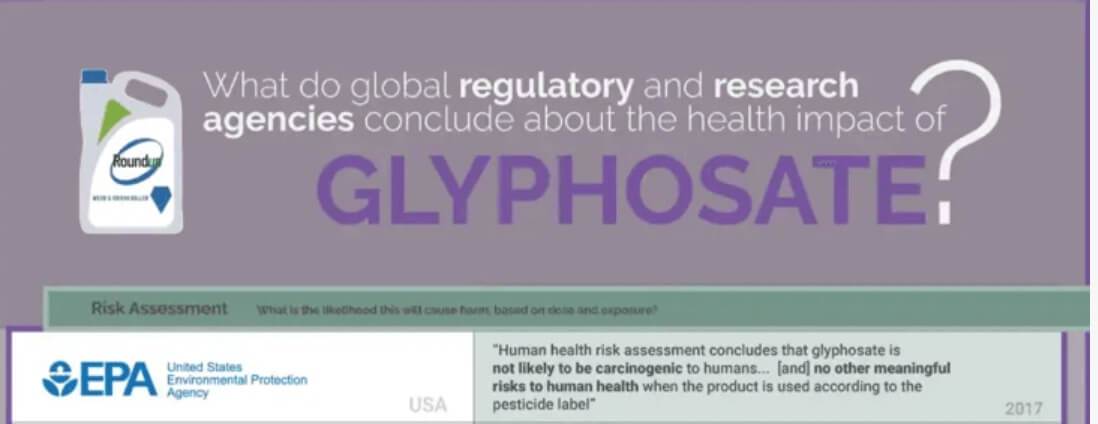
Infographic: Global regulatory and health research agencies on whether glyphosate causes cancer
 | GMO FAQs | More... |
Why is there controversy over GMO foods but not GMO drugs?
How are GMOs labeled around the world?
How does genetic engineering differ from conventional breeding?
 | GLP Profiles | More... |

Alex Jones: Right-wing conspiracy theorist stokes fear of GMOs, pesticides to sell ‘health supplements’

 Viewpoint — Fact checking MAHA mythmakers: How wellness influencers and RFK, Jr. undermine American science and health
 Viewpoint: Video — Big Solar is gobbling up productive agricultural land and hurting farmers yet providing little energy or sustainabilty gains
 Trust issues: What happens when therapists use ChatGPT?
 Fighting deforestation with CO2: Biotechnology breakthrough creates sustainable palm oil alternative for cosmetics
 California, Washington, Oregon forge immunization alliance to safeguard vaccine access against federal undermining
 30-year-old tomato line shows genetic resistance to devastating virus
 The free-range chicken dilemma: Better for birds, but with substantial costs
 ‘You have to treat the brain first’: Rethinking chronic pain with Sanjay Gupta