
Viewpoint: Seed wars

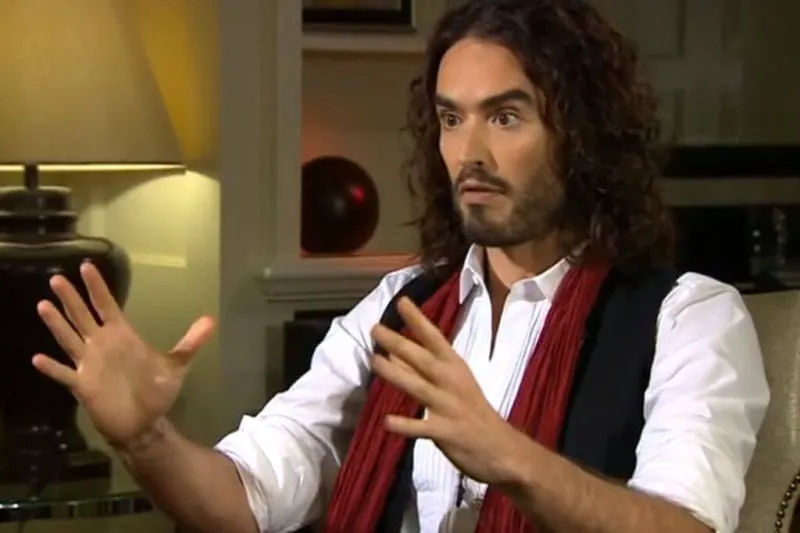
Russell Brand is a genius comedian. I’m especially fond of his character in the film “Forgetting Sarah Marshall,” a self-absorbed rock star named Aldous Snow who writes cliche ballads about saving the planet.
Recently, it seems, Brand has adopted some of his on-screen character’s environmental and economic concerns. According to an April 18 YouTube video, he’s especially worried about Bill Gates’ efforts to promote sustainable agriculture as a means of addressing climate change. His specific concerns are that Gates and other billionaires are buying up large amounts of US farmland and spending considerable resources lobbying to support technologies like genetically engineered (GE) crops.
These efforts, the comedian says, are part of a larger resurgence of Western colonialism, which is driven partially by industrial agriculture that is destroying biodiversity and monopolizing the global food supply. The World Economic Forum’s so-called Great Reset is the latest example of this project in action.
There’s certainly nothing wrong with criticizing billionaires and big corporations when they act unethically. But Brand doesn’t have a convincing case in this instance, largely because his complaints have been sourced from The Guardian, a British newspaper with an inconsistent interest in scientific accuracy; and Vandana Shiva, one of the world’s foremost anti-GMO activists, who lacks any interest whatsoever in scientific accuracy.
Billionaire land grab
So, why is Gates buying up so much farmland, and should we be worried? In a word, no. The tech billionaire announced in March that the acquisition is related to seed research and biofuel development. “The agriculture sector is important,” Gates said. “With more productive seeds we can avoid deforestation and help Africa deal with the climate difficulty they already face. It is unclear how cheap biofuels can be but if they are cheap it can solve the aviation and truck emissions.”
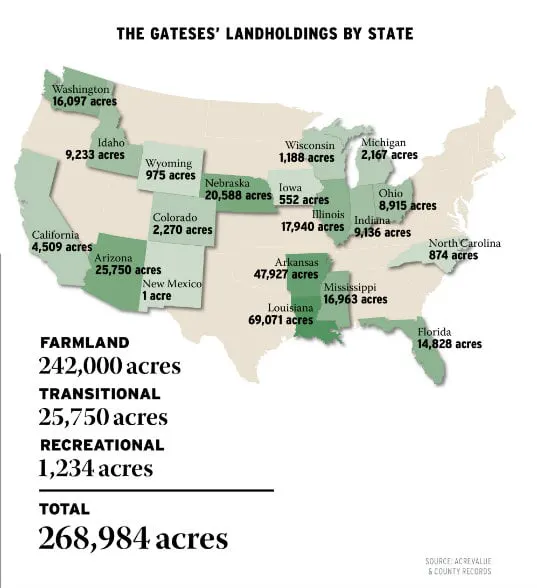
He’s absolutely correct about seed productivity; higher-yielding crops result in more food produced per acre, reducing our need to expand farmland and thus protecting biodiversity. There is far less certainty about the benefits of biofuels. Some experts have pointed out that producing them requires large quantities of fossil fuel and additional cropland. It also drives up the cost of animal feed, which in turn boosts meat and milk prices for consumers.
It may be that further developing biofuels to fight climate change just isn’t worth the high cost. But even if Gates turns out to be wrong about biofuels, his land purchase still isn’t all that alarming. The fact is, land consolidation has been ongoing for centuries and it’s easily explained by economics.
As societies industrialize and grow wealthier, many people find the prospect of life on a farm less appealing. They move into cities to work manufacturing and service jobs and enjoy the amenities afforded by their new environment. The farmers who stay behind buy up the vacant land and cultivate it. As time goes on, they utilize new technologies to work more efficiently and—Boom!—we get modern, industrial farming. By the way, 97 percent of farms are still family-owned operations, representing 87 percent of US farmland.
GMOs and colonialism
Brand may have found Shiva’s analysis about GE crops and colonialism novel, but it’s decades-old now and still baseless. The argument goes something like this: big seed companies fund research in developing countries to buy support from local scientists. They promise higher yields and other sustainability benefits to “hook” farmers. This gives these firms undue influence over food production because they now have a guaranteed customer base in farmers who have to buy their seed, and academic allies in scientists dependent on them for research funding. Any movement to restore local control stands little chance against the lobbying might of these colonizing corporate behemoths.
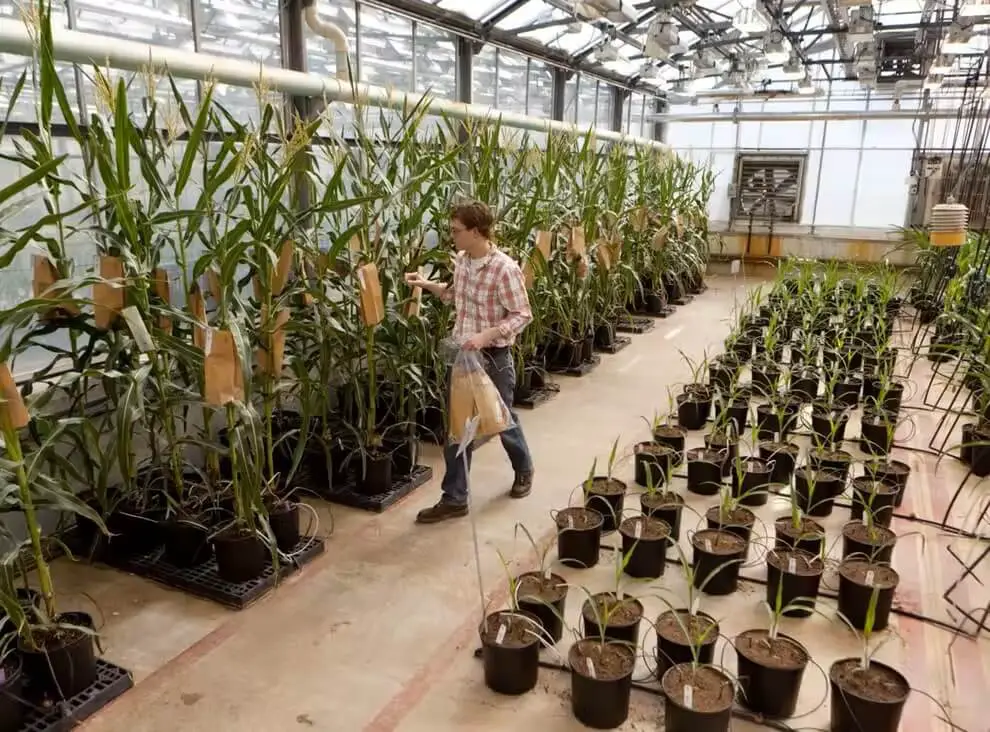
It’s a nice David vs. Goliath story, but it doesn’t square with some easily verifiable facts. As I wrote in a recent story for the Genetic Literacy Project:
Never mind that farmers all over the world have expressed their desire to cultivate biotech crops, and some growers will even break the law to acquire them. Also ignore the fact that scientists in the developing world have engineered biotech crops to help farmers in their native countries — such as in Bangladesh where insect-resistant Bt brinjal (eggplant) was distributed at little or no cost to poor farmers.
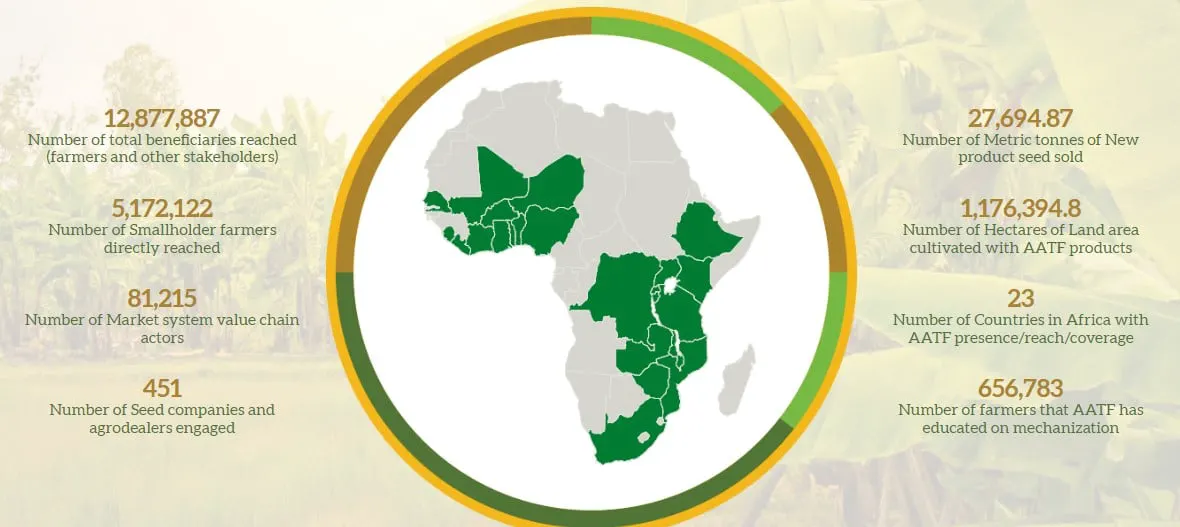
One of the reasons farmers in many developing countries can’t get these enhanced seeds is because activists like Shiva and their billionaire backers lobby to keep them out, an effort sometimes referred to as “Green Neo-Colonialism.” It may surprise Russell Brand, but many people in these nations aren’t thrilled at the prospect of pests destroying their harvests as they’re denied modern tools that could help.
Brand strikes me as a thoughtful guy trying to use his celebrity to do some good in the world. Moreover, he’s not wrong to express skepticism of the Great Reset, which the World Economic Forum openly acknowledges is about transforming the global economy. But there are thoughtful ways to criticize corporate influence in the world without promoting false and harmful ideas.[1] Brand, it seems to me, hasn’t figured out how to do one without the other.
Notes:
[1] Former New York University liberal studies professor Michael Rectenwald has written a series of articles critiquing the Great Reset from a libertarian perspective.
 | Videos | More... |
Video: Nuclear energy will destroy us? Global warming is an existential threat? Chemicals are massacring bees? Donate to the Green Industrial Complex!
 | Bees & Pollinators | More... |

GLP podcast: Science journalism is a mess. Here’s how to fix it

Mosquito massacre: Can we safely tackle malaria with a CRISPR gene drive?

Are we facing an ‘Insect Apocalypse’ caused by ‘intensive, industrial’ farming and agricultural chemicals? The media say yes; Science says ‘no’
 | Infographics | More... |
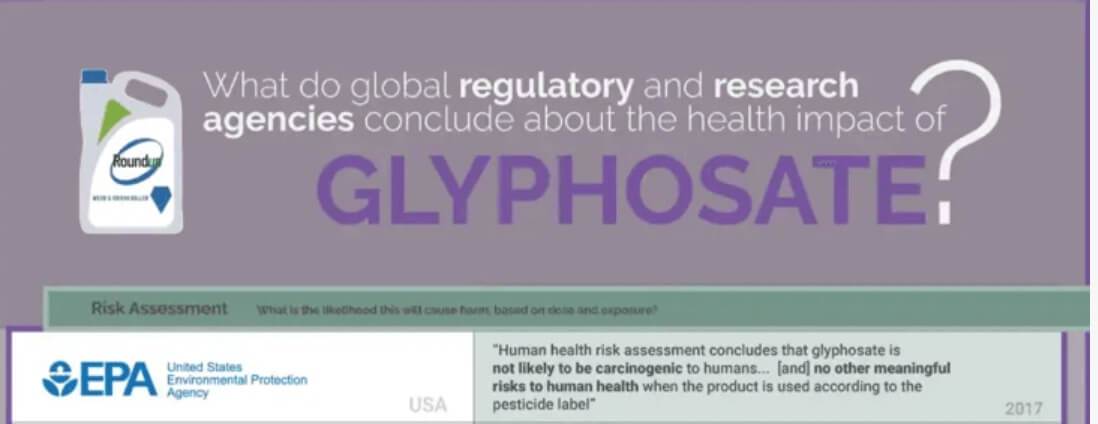
Infographic: Global regulatory and health research agencies on whether glyphosate causes cancer
 | GMO FAQs | More... |

Why is there controversy over GMO foods but not GMO drugs?

How are GMOs labeled around the world?

How does genetic engineering differ from conventional breeding?
 | GLP Profiles | More... |

Alex Jones: Right-wing conspiracy theorist stokes fear of GMOs, pesticides to sell ‘health supplements’

 Viewpoint — Fact checking MAHA mythmakers: How wellness influencers and RFK, Jr. undermine American science and health
 Viewpoint: Video — Big Solar is gobbling up productive agricultural land and hurting farmers yet providing little energy or sustainabilty gains
 Fighting deforestation with CO2: Biotechnology breakthrough creates sustainable palm oil alternative for cosmetics
 Trust issues: What happens when therapists use ChatGPT?
 California, Washington, Oregon forge immunization alliance to safeguard vaccine access against federal undermining
 30-year-old tomato line shows genetic resistance to devastating virus
 The free-range chicken dilemma: Better for birds, but with substantial costs
 ‘You have to treat the brain first’: Rethinking chronic pain with Sanjay Gupta

Cameron English is a writer, editor and co-host of the Science Facts and Fallacies Podcast. Before joining ACSH, he was managing editor at the Genetic Literacy Project, a nonprofit committed to aiding the public, media, and policymakers by promoting science literacy. You can visit Cameron’s website here
A version of this article was posted at American Council on Science and Health and is used here with permission. You can check out the American Council on Science and Health on Twitter @ACSHorg