Widening Gaps in COVID-19 Protection Among Older Adults
Widening Gaps in COVID-19 Protection Among Older Adults

Among the Elderly in Sweden, COVID-19 Vaccination Patterns Reveal Growing Regional and Socioeconomic Disparities
In Sweden, the initial rollout of COVID-19 vaccinations among older adults was marked by a near-universal acceptance, with coverage rates hovering around an impressive 95 percent. However, as the vaccination campaigns have progressed into booster and seasonal doses, a more complicated landscape of vaccine uptake has emerged. Recent research from a comprehensive national study involving over two million individuals aged 65 and above has revealed substantial regional variations and deepening socioeconomic divides that threaten to undermine public health efforts aimed at protecting the most vulnerable segments of society.
The study, published in the journal Public Health, provides an intricate analysis of the shifting dynamics of COVID-19 vaccination uptake during and following the acute phases of the pandemic, extending into early 2024. It unveils patterns that reflect not just geographical differences but also highlight the profound impact that socioeconomic factors exert on public health behaviors. Initially, vaccination campaigns benefited from a centralized, coordinated approach that achieved high and consistent coverage across Sweden’s various counties. Yet, over time, this uniformity has unraveled, revealing pockets of lower vaccination adherence concentrated in urban and economically disadvantaged areas.
Geographically, the counties of Skåne, Stockholm, and Västra Götaland have exhibited notably lower booster dose uptake among their older populations, particularly within the 65 to 80 years age cohort. In these metropolitan regions, complete vaccination coverage — including up to the sixth dose — has dropped below 60 percent, marking a stark contrast against earlier phases of homogeneous vaccine distribution. This decline raises important questions regarding the efficacy of ongoing public health strategies and the possible influence of localized healthcare infrastructure, regional policy prioritization, and accessibility challenges.
Beyond geography, the study delineates socio-demographic factors that intersect with vaccination trends. Men, immigrants born outside Sweden, individuals with lower income brackets, and those possessing limited educational attainment constitute groups with significantly reduced vaccine uptake. These groups appear systematically less reached by public health outreach efforts, which signals persistent barriers tied to social determinants of health. Language, health literacy, trust in governmental interventions, and underlying socioeconomic insecurity likely contribute to these disparities, demanding tailored communication and engagement strategies that acknowledge contextual complexities.
The observed regional and socioeconomic inequalities appear inextricably linked to weaknesses in national coordination and prioritization mechanisms. Researchers from leading Swedish institutions, including the University of Gothenburg, Karolinska Institutet, and the Public Health Agency of Sweden, emphasize how fragmented approaches can exacerbate uneven vaccine distribution and uptake. Their findings advocate for a reinvigorated emphasis on centralized oversight coupled with targeted interventions designed to address the unique challenges faced by disadvantaged subpopulations and urban centers.
Furthermore, the implications of reduced vaccination uptake among older adults extend beyond immediate COVID-19 infection risks. Given the elevated vulnerability of this demographic to severe disease outcomes, including hospitalization and long-term sequelae such as “post-COVID” conditions (often referred to as long COVID), declining immunization rates present a pressing public health concern. Lower coverage may anticipate surges in clinical burden, healthcare resource strain, and preventable morbidity and mortality, hence undermining efforts to protect and sustain healthy aging in the general population.
One particularly salient suggestion emerging from the study’s analysis is the potential synergistic integration of COVID-19 vaccination campaigns with existing routine health interventions, notably influenza immunization programs. This integrated approach could leverage established vaccination infrastructure and habitual patient engagement pathways to enhance coverage rates. By embedding COVID-19 boosters within familiar healthcare touchpoints, public health authorities might reduce access barriers, improve convenience, and optimize resource utilization, collectively advancing equitable vaccine uptake.
Critically, the study signals that sustained, focused efforts are necessary to build vaccine confidence within socioeconomically marginalized groups. The persistent lower uptake despite prior interventions points to complex psychosocial factors at play, including vaccine hesitancy driven by misinformation, cultural differences, or historical distrust. Addressing these multifaceted issues calls for culturally sensitive communications, community involvement, and strategic partnerships with trusted figures and organizations to foster acceptance and informed decision-making.
The data also prompt a reevaluation of surveillance and data analytics capabilities, underscoring the need for real-time, granular monitoring of vaccination trends. Such monitoring can facilitate rapid identification of emerging disparities, enabling adaptive policy responses that preempt widening gaps. This aligns with broader public health objectives around equity and resilience, especially pertinent as SARS-CoV-2 continues to evolve and necessitate updated immunization strategies.
Moreover, the findings have broad implications for pandemic preparedness frameworks. The observed challenges in maintaining consistent vaccination across diverse populations underscore the importance of embedding equity considerations within emergency response designs. Governments and health agencies globally may glean insights from Sweden’s experience, emphasizing that high initial uptake does not guarantee sustained coverage without continuous, inclusive engagement and coordination.
In conclusion, while Sweden’s early COVID-19 vaccination campaign achieved remarkable success in protecting older adults, current evidence shows that vaccine uptake is now uneven, with pronounced regional and socioeconomic disparities. Bridging these divides is essential to safeguard public health, particularly among older individuals who remain at elevated risk. The path forward demands comprehensive, data-driven, and equity-focused strategies that integrate COVID-19 vaccination within broader healthcare initiatives and actively seek to overcome the multifactorial barriers to immunization observed in vulnerable populations.
Subject of Research: People
Article Title: Regional differences in COVID-19 vaccine uptake and their determinants among Swedish older adults
News Publication Date: 3-Apr-2025
Web References: http://dx.doi.org/10.1016/j.puhe.2025.03.028
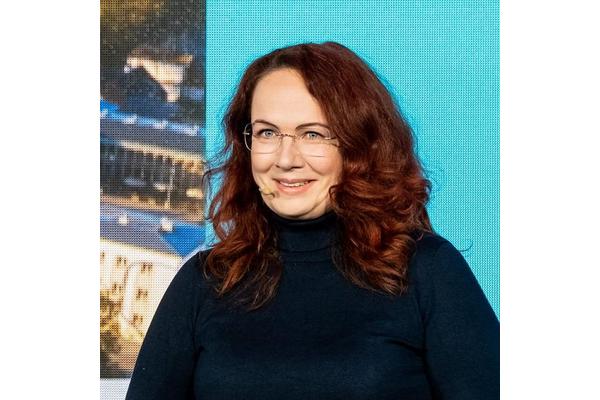
Image Credits: Photo: Malin Arnesson
Keywords: COVID-19 vaccination, vaccine uptake, older adults, Sweden, regional disparities, socioeconomic factors, booster doses, public health, vaccine hesitancy
Ancient Genomes and Indigenous Knowledge Uncover Pleistocene Migration Routes of North American Horses
Next PostNew Open-Source Tool Simplifies Processing and Reporting of Greenfeed Emissions Data
Related Posts

AI TechX Grants Seed Funding to Drive AI Innovations Tackling Real-World Challenges
Worldwide Patterns and Inequalities in Social Isolation: A Scientific Overview
ORNL Honored with 2025 SAMPE Organizational Excellence Award
Pensoft to Co-Publish Problems of Dental Medicine in Partnership with Faculty of Dental Medicine, Medical University Sofia
Adolescent ADHD Impacts Adult Income Indirectly via Education and Mental Health