With 80% of the global population expected to live in urban areas by 2050, is vertical farming a viable way to increase sustainable food production?

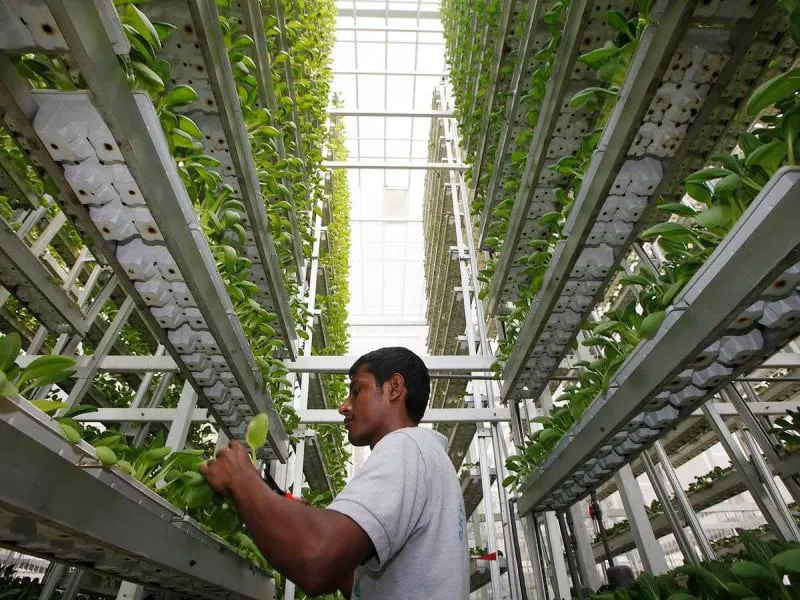
The agriculture industry is facing a wide range of challenges, trying to keep up with ever-changing markets and, of course, climate change. To make things even more challenging, it is estimated that nearly 80% of the world population will be living in urban areas by 2050. Due to this urbanisation as well as industrial development, the number of arable lands — land used for the cultivation of crops — is decreasing day by day.
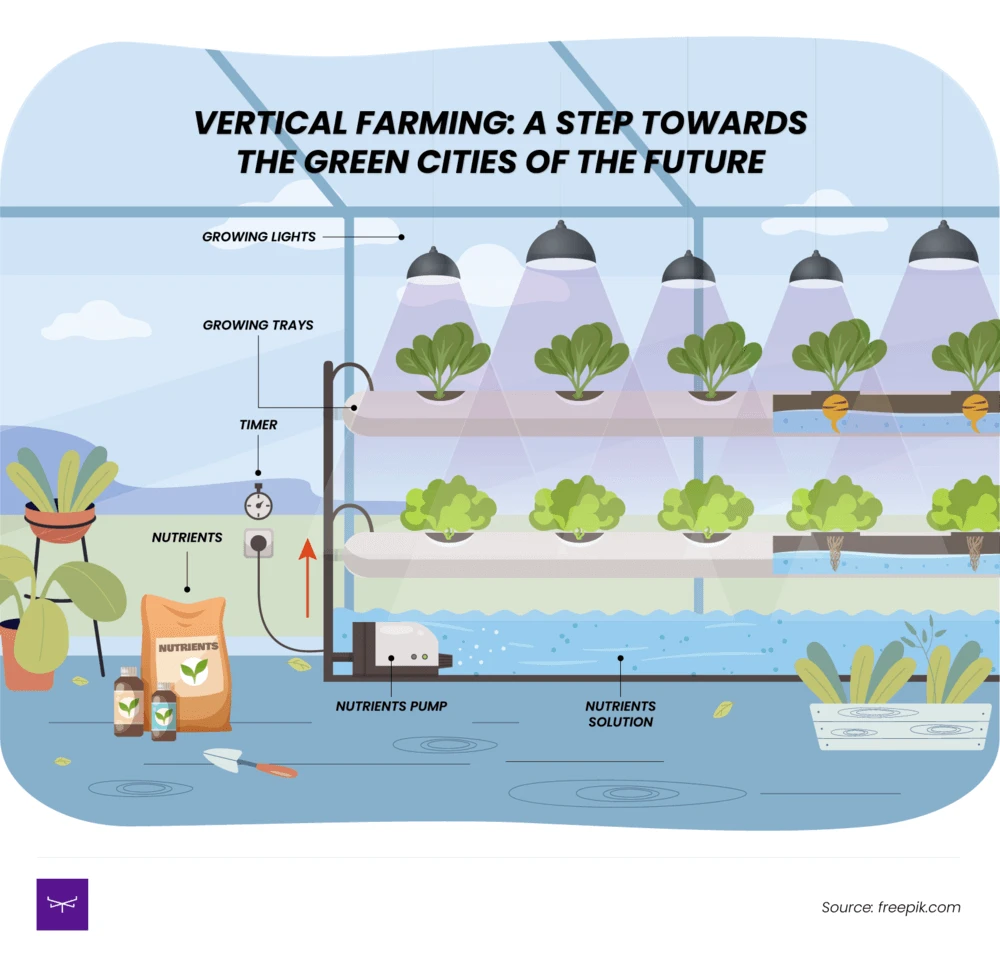
With its primary goal to produce more food per square metre, vertical farming cultivates crops in stacked layers in a tall, tower-like structure. According to Pr. Dickson Despommier, the mastermind behind the vertical farm, one acre of indoor farm is equivalent to 10 acres of outdoor farming.
Despommier explains that by growing things in closed spaces within these tall structures, we compress and maximise efficiency.
…
Using only about 10% of the water that traditional agriculture uses, hydroponics allows vertical farmers to conserve a huge amount of water. This is especially beneficial considering the fact that water is set to become one of the most sought-after resources of the next century.
This is an excerpt. Read the original post here.
 | Videos | More... |
Video: Nuclear energy will destroy us? Global warming is an existential threat? Chemicals are massacring bees? Donate to the Green Industrial Complex!
 | Bees & Pollinators | More... |

GLP podcast: Science journalism is a mess. Here’s how to fix it

Mosquito massacre: Can we safely tackle malaria with a CRISPR gene drive?

Are we facing an ‘Insect Apocalypse’ caused by ‘intensive, industrial’ farming and agricultural chemicals? The media say yes; Science says ‘no’
 | Infographics | More... |

Infographic: Global regulatory and health research agencies on whether glyphosate causes cancer
 | GMO FAQs | More... |

Why is there controversy over GMO foods but not GMO drugs?

How are GMOs labeled around the world?
How does genetic engineering differ from conventional breeding?
 | GLP Profiles | More... |

Alex Jones: Right-wing conspiracy theorist stokes fear of GMOs, pesticides to sell ‘health supplements’

 Viewpoint — Fact checking MAHA mythmakers: How wellness influencers and RFK, Jr. undermine American science and health
 Viewpoint: Video — Big Solar is gobbling up productive agricultural land and hurting farmers yet providing little energy or sustainabilty gains
 Trust issues: What happens when therapists use ChatGPT?
 Fighting deforestation with CO2: Biotechnology breakthrough creates sustainable palm oil alternative for cosmetics
 California, Washington, Oregon forge immunization alliance to safeguard vaccine access against federal undermining
 30-year-old tomato line shows genetic resistance to devastating virus
 The free-range chicken dilemma: Better for birds, but with substantial costs
 ‘You have to treat the brain first’: Rethinking chronic pain with Sanjay Gupta