
Your Best Hiking Year Yet: Level Up in 2026 With These 12 Seasonal Objectives
What kind of hiker do you want to become in 2026?
No one wants to look back on a year of adventure that feels subpar or incomplete. Planning hikes one trail at a time by snagging a permit here or squeezing in a weekend there often leads to exactly that. So this year, make a resolution: Go bigger in 2026 by stepping back and thinking bigger.
Instead of chasing miles at random, anchor your new year of hiking around these four seasonal objectives that build on each other from winter through fall. Think: shoulder-season backpacking trips focused on forecasting weather, peak-summer alpine days that turn you into a navigation master, desert miles that sharpen your water caching skills, and autumn routes aimed at dialing in your gear. And because we think the backpacking life is something you live every day instead of just on vacations, we’ve filled in the gaps with mini-adventures—local goals that you can pursue almost anywhere—to help you enjoy the time in between them, too. Get ready to do great things in 2026.
Spring: Desert Exploration
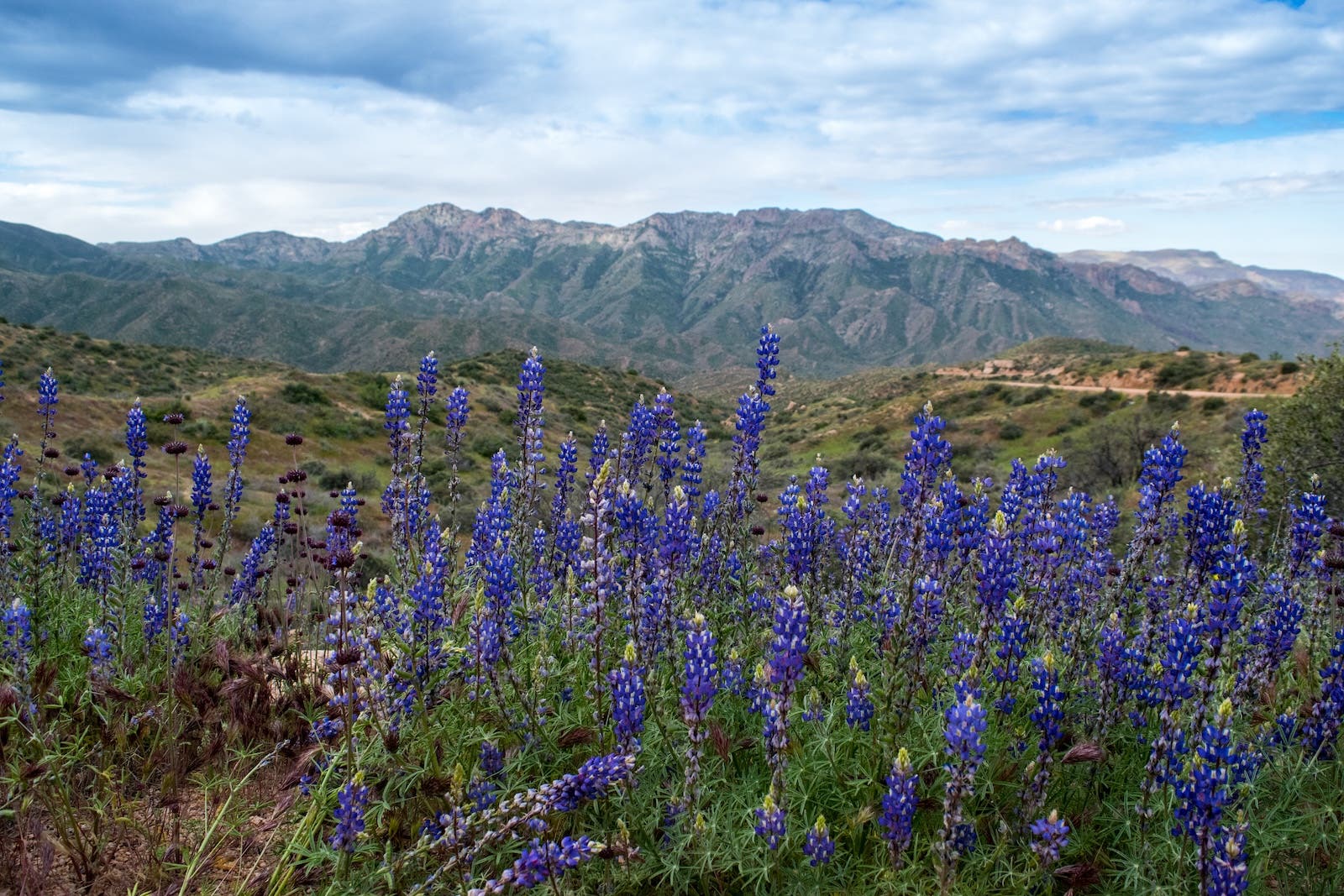
Trail: Arizona Trail (AZT) — Passage 17–20: Four Peaks Region
The Arizona Trail is the perfect stomping grounds to rack up hard-earned lessons that pay off at the end of the season. Desert trails, in particular, strip hiking down to the essentials, testing your judgment and decision-making as much as your legs.
Hikers typically complete the full 800-mile thru-hike of the AZT in 6 to 8 weeks assuming 15 to 20 miles per day on average. To get a taste of one of the trail’s most-coveted sections, go for a shorter section like Passage 17–20, known as the Four Peaks Region. This section’s known for big elevation changes, temperature swings, and varied terrain, and offers prime opportunities to hone your warm-weather hiking know-how in the desert backcountry.
Here you’ll practice essential skills like water caching when reliable sources are scarce and heat acclimation as temperatures rise and drop throughout the day on trail. Temps start rising in late March with a noticeable jump come April, especially in lower-elevation sections of trail. You’ll climb and drop thousands of feet over the 80-plus-mile section hike. Because temperatures can change quickly across these elevations, keeping a close eye on the forecast and dialing in your layering system is key to staying comfortable and safe through the Four Peaks region. Make sure to pack plenty of light UPF layers, sunscreen, and polarized sunglasses.
Spring Adventure Bucket List
Hike to a Waterfall
Spring is prime time to check off that list of waterfalls you’ve been meaning to visit. What might be a trickle by the end of summer is a dramatic flow in the spring thanks to the rainfall and snowmelt, bringing immense power to everything from single-drop towers to rippling cascades.
Besides the natural beauty of rushing water, hiking to waterfalls can help shake up your outings. We recommend checking flow reports before planning to swim, but if conditions are safe, look for waterfalls with swimming holes and a nice rock to dry off on.
Keep a Nature Log
One of the joys of spring is noticing emerging buds and blooms. As the undergrowth fills out and the leaves unfurl, start a nature log to see what you encounter on your next hike. A trail you’ve wandered a dozen times before can turn into a whole new experience if you slow down and take time to observe wildflowers, note tree species, or watch an insect’s path along a trailside boulder.
Keep it analog by bringing a small notebook instead of your phone, and take time to jot down or sketch what you see. Staying screen-free can help connect you with the moment, and learning about plant and animal life in your local environment will give you new perspectives on routes you’d otherwise fly down with one eye on the Gaia GPS track.
Fine-Tune Your Spring Skills
- Become the friend who can identify any tree and wow your hiking partners forever.
- Springtime means mud season. Here’s how to avoid the suck.
- Want to draw what you see on the trail? This is the best 0.2-ounce addition to your hiking kit.
Summer: High-Alpine Navigation
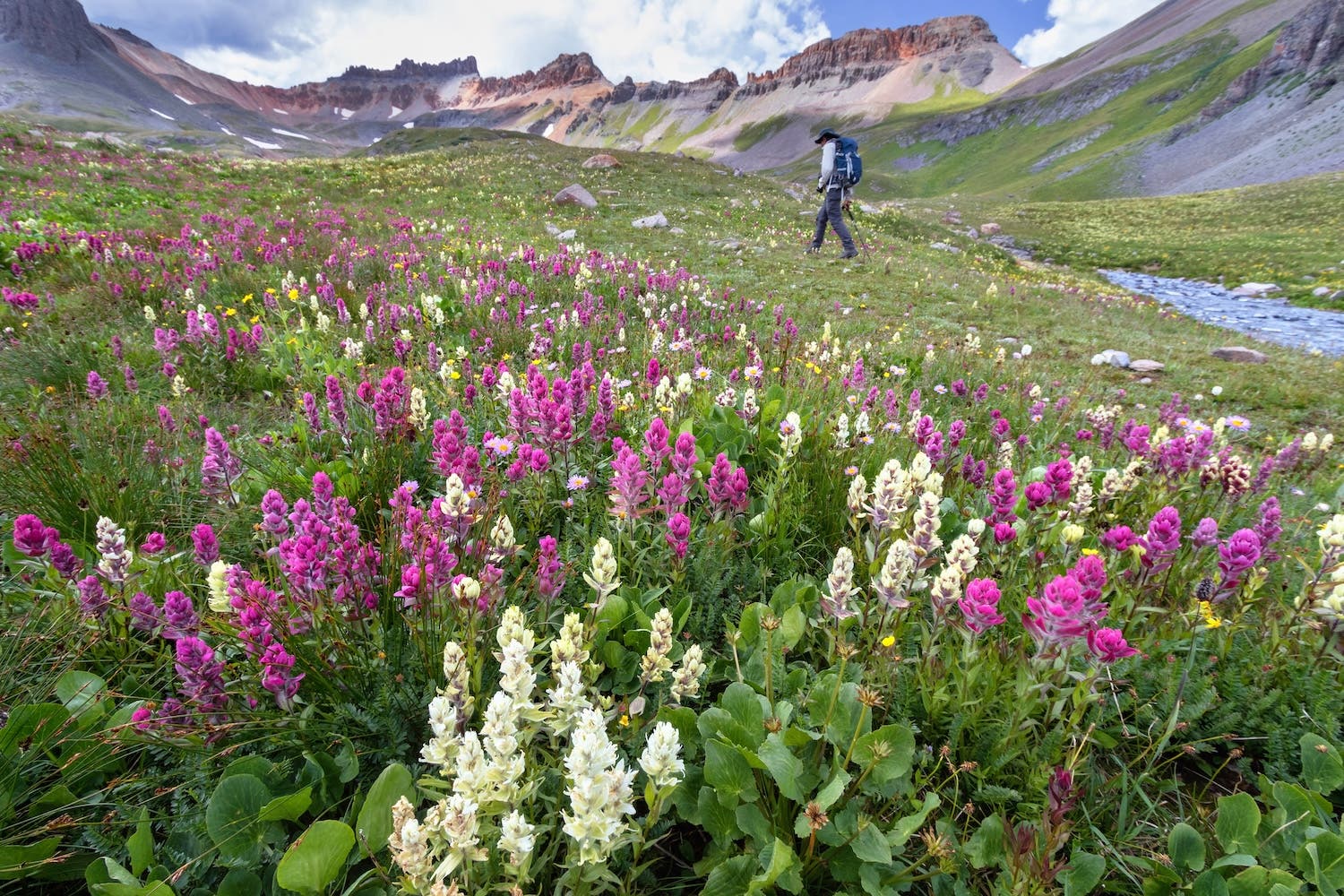
Trail: Colorado Trail (CT) — San Juan Mountains Segment
High-alpine trails are notoriously tricky in the thick of summer, where fast-moving storms, exposure, and big terrain make smart planning and safety decisions essential. One massive risk are thunderstorms that can spill over a mountain summit in the blink of an eye. Finding yourself on an exposed ridgeline or summit lookout can quickly turn into a life-threatening situation if you’re not prepared. We don’t say this to scare you; rather, prepare you to approach summer hiking more mindfully so you can make the most of your time on trail.
The San Juans Segment of the Colorado Trail is an ideal classroom for getting the hang of alpine hikes. Daily thunderstorms and long stretches above treeline with limited shelter at times reward early starts and smart decision-making in variable weather. In the home stretch of the CT from Molas Pass and Silverton to Durango, hikers will climb and drop thousands of feet in elevation over high basins, mountain passes, and remote wilderness before landing back in civilization. Tackle this stretch if you seek to sharpen your weather awareness and backcountry navigation skills during summertime in the San Juans.
Summer Adventure Bucket List
Collect Sunrises and Sunsets
Take advantage of the warm weather and hit your favorite overlook or peak during the golden hours of sunrise and sunset. Timing your outing to catch these fleeting moments is another good way to shake up your routine—sunrises and sunsets don’t last long, and the narrow timeframe can be motivating to get out for the best views.
We recommend getting the most out of your early-morning wakeup by aiming for an east-facing view for your sunrise, and maximizing sunset views with a west-facing destination. Just be sure your headlamp batteries are fully charged for pre-dawn and post-dusk miles. Look up sunrise and sunset times in the Old Farmer’s Almanac for the perfect timing.
Make an Alpine Lake Tick List
Nail all the waterfalls? Continue shaking up your routine this summer by making a tick list of alpine lakes for rewarding hike destinations that don’t necessarily involve a tremendous peak-bagging effort. Chances are you have plenty of lake options nearby, but this can also be a great excuse for a road trip. Visiting friends across the state? Look up lakes in their area and hit the trail. Taking a vacation across the country? There’s probably a lake nearby—check out some of our favorites.
Make your lake hike extra special by packing a picnic, diving into the icy water where allowed, or practicing catch-and-release fishing if regulations allow. If you end up camping out there (highly encouraged) be sure to set up your tent at least 200 feet from the water and practice good backcountry etiquette.
Fine-Tune Your Summer Skills
- Heat is a killer. Here’s how hikers can survive the summer.
- Build a better backcountry sense of direction with this simple guide.
- Going on more overnights this summer? Save your money and learn to freeze-dry your own food.
Fall: Foliage Immersion
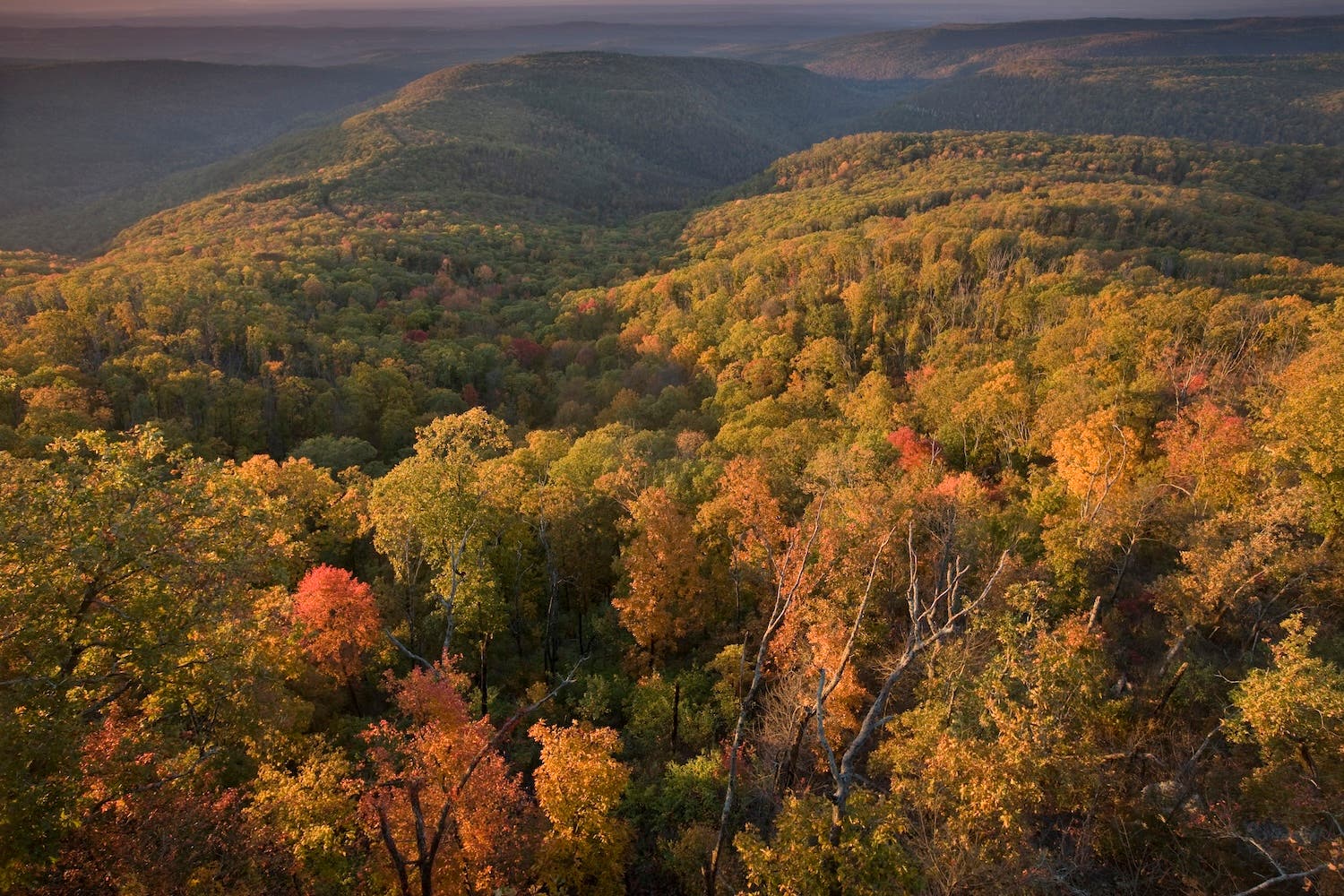
Trail: Ozark Highlands Trail — Western Segments
There’s arguably no better time to explore the Ozarks than fall, when the forest ignites in every shade of red and orange imaginable. It’s also the season that sharpens you as a hiker, delivering lessons and challenges that only surface once autumn fully sets in. A full thru-hike of the 230-mile Ozark Highlands Trail runs from Lake Fort Smith State Park, near the Oklahoma border, to the Buffalo National River in north-central Arkansas.
For a shorter but highly representative outing, start at the western terminus and hike the 35 miles from Lake Fort Smith State Park to White Rock Mountain and back. This early segment serves up quintessential Ozark terrain: steep, punchy climbs, narrow ridgelines, and deep woods. Roots and rocks buried under fallen leaves result in “leaf litter.” These conditions provide a prime opportunity to test your footwork, trail navigation, and ability to adapt to what’s underfoot.
Fall shoulder-season hiking on the OHT also demands thoughtful gear choices, like opting for a waterproof shell and a dialed layering system that fends off fickle forecasts. The Ozarks don’t hand out easy conditions, but that’s the point: By the time you step off trail, you’ll have dialed in layering strategy, moisture management, and which gear choices actually hold up during late-season hiking.
Fall Adventure Bucket List
Rent a Fire Tower or Forest Service Cabin
What better place to see the leaves changing than from a fire lookout or quiet, off-grid Forest Service cabin? Mainly available in the western U.S., these rustic cabins can be located anywhere from drive-up sites to the end of a long, rewarding trail. Cabins and lookouts usually cost around $45 to $60 per night, and most have wood-burning stoves, a firewood stash, and basic bunks. The setup makes for a lovely midpoint between backpacking and staying in a staffed backcountry hut.
If it’s your first time renting a cabin, remember to pack your own food, check the water sources (some cabins have water pumps, others have natural water you’ll need to filter), and bring everything you’d need for camping except a tent. There isn’t a nationwide database or specific page for these cabins, so you’ll have to search recreation.gov, and each cabin has its own page for reservations. You can often find a list of cabin names on your local Forest Service site to speed up the process. We recommend reserving in advance—cabins and fire towers fill up quickly, especially on the weekends.
Explore a New State Park
Hikers often overlook state parks in favor of national parks and forests, but with thousands of units across the U.S., there’s probably one close to home. Expect smaller crowds than national parks, and everything from mountains to dramatic coastlines and deep forests. Within this range comes plenty of activities, whether you’re in the mood for dayhiking, boating, backpacking, or wildlife watching. Entry and camping fees are often lower than other public land sites, and some states offer free admission, with most charging little for residents.
Because there are so many locations, state parks also are a fun pit stop on road trips, and they’re a convenient way to see different natural environments and historic sites across your own state. You can find a list of state parks here, and some of our favorites for hiking here.
Fine-Tune Your Fall Skills
- Make your water filters last forever with this guide.
- Tend to lose your footing on rooty trail? These exercises will prevent any on-trail spills.
- Shoulder season means it’s time to check on your gear: All hikers should do these 11 gear-care tasks before winter starts.
Winter: Snowy Trails & Solitude
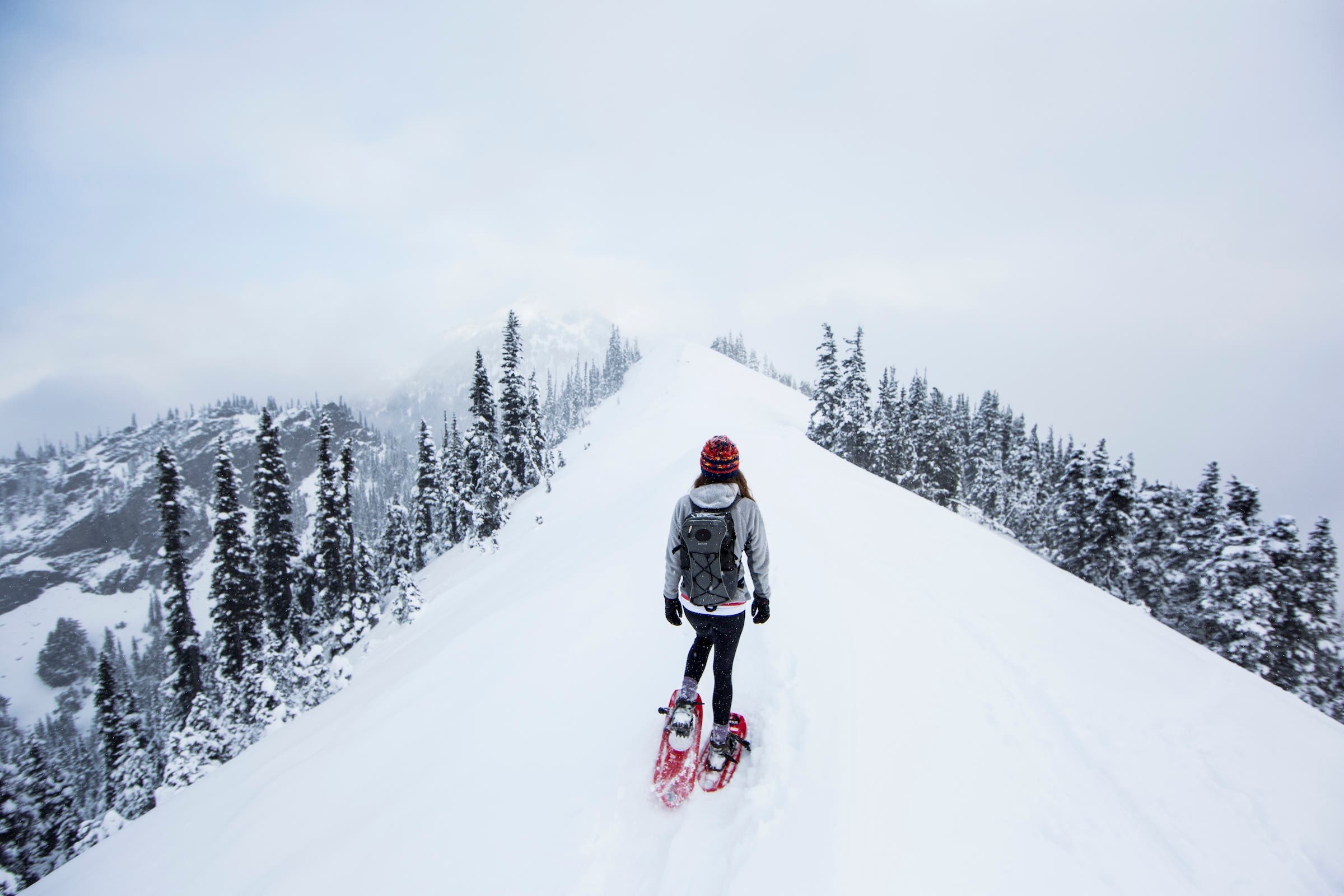
Trail: Washington Cascades — Mount Tahoma Trails Association (MTTA) Hut Trip
Curious about a hut trip to hone your winter hiking skillset? Head to the highly regarded Mount Tahoma Trails Association hut system to sharpen your winter weather navigation, cold-weather sleep system, and winter gear. Across this network of six backcountry huts and yurts in the Washington Cascades wilderness, hikers gain access to boundless backcountry and real-world winter travel experience in a controlled, supportive setting.
To put your winter trail skills to the test, take on the 15-mile Snow Bowl Hut to High Hut to Yurt Loop. The route serves up everything from open snowfields to ridgelines with real elevation gain, plus constantly changing snow conditions that swing from soft powder to crunchy crust. If mastering R-values, insulation strategies, avalanche awareness, and the practical use of tools like trekking poles, snowshoes, and microspikes is the goal, MTTA offers a boundless backcountry testing ground. Heads up: Overnight reservations are required (and book up quickly online) for staying in MTTA huts or the yurt. Snag your spot early.
Winter Adventure Bucket List
Go Star Hiking
This one’s simple: you’re just combining hiking with stargazing. To start, find a trail without too much tree cover (you’ll need a good view of the sky) and check the weather to make sure the sky will be clear. You can download a star-finding app or carry a sky-map pamphlet with you, then orient yourself to start finding celestial features.
Once you’re oriented, take a slow walk down the trail with the goal of finding constellations, stars, and even planets. Star hiking is also a good way to become familiar with star navigation, or to learn how to tell time by the stars. If you can locate Polaris (the North Star) and have an understanding of where the constellations appear at different times, you’re off to a good start. It can be tough to find time to get outside during winter’s short daylight hours, and star hiking is a good excuse to use the night sky to your advantage instead of an excuse to stay indoors.
Tackle a Trail in Snowshoes
Strapping on a pair of snowshoes opens up a whole new season of exploration, and snow-covered trails are no longer a reason to stick to pavement. Most snowshoes come equipped with crampon-style traction which helps with grip on icy sections, and the wide platforms provide floatation, keeping you from postholing up to your knees with each step.
If you’re planning on hiking steeper trails or peaks, look for snowshoes with a televator bar, which flip up under your heel to provide a flatter platform for steep sections. Lastly, make sure your poles are equipped with snow baskets, which function similarly to the snowshoes and help prevent your poles from sinking too far down with each plant.
Fine-Tune Your Winter Skills
- Winterize your canister stove with this hack.
- Do hikers actually need to eat more in the winter? Here’s what the experts say.
- Night hikes and snowshoe trips mean chilly hands. Here’s how to make your hand warmers last longer.